Franco Baresi vs Elías Figueroa: Stats Compared
Sweeper / Centre-Back, Italy (born 1960, retired 1997) · Centre-Back, Chile (born 1946, retired 1982)
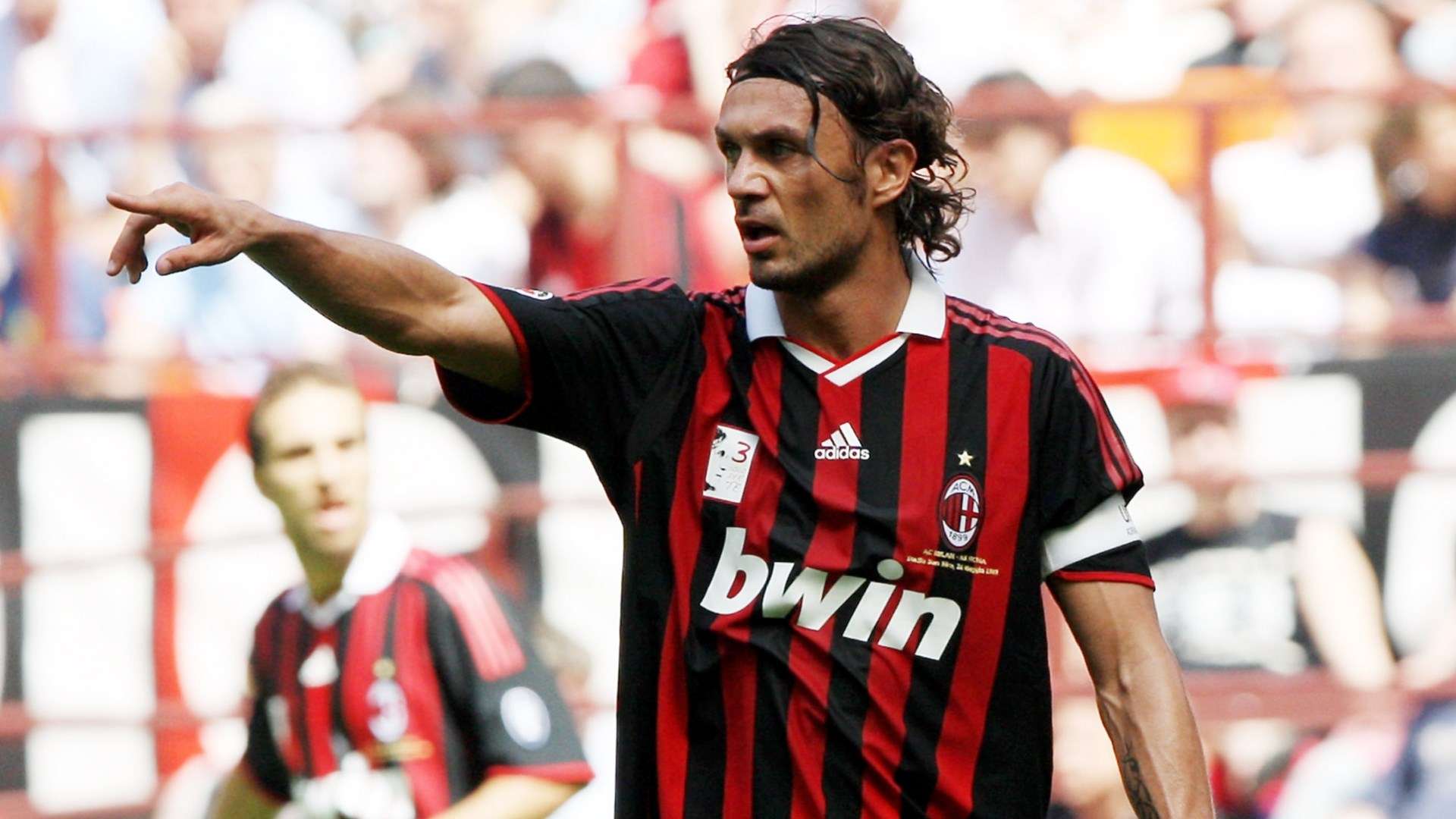
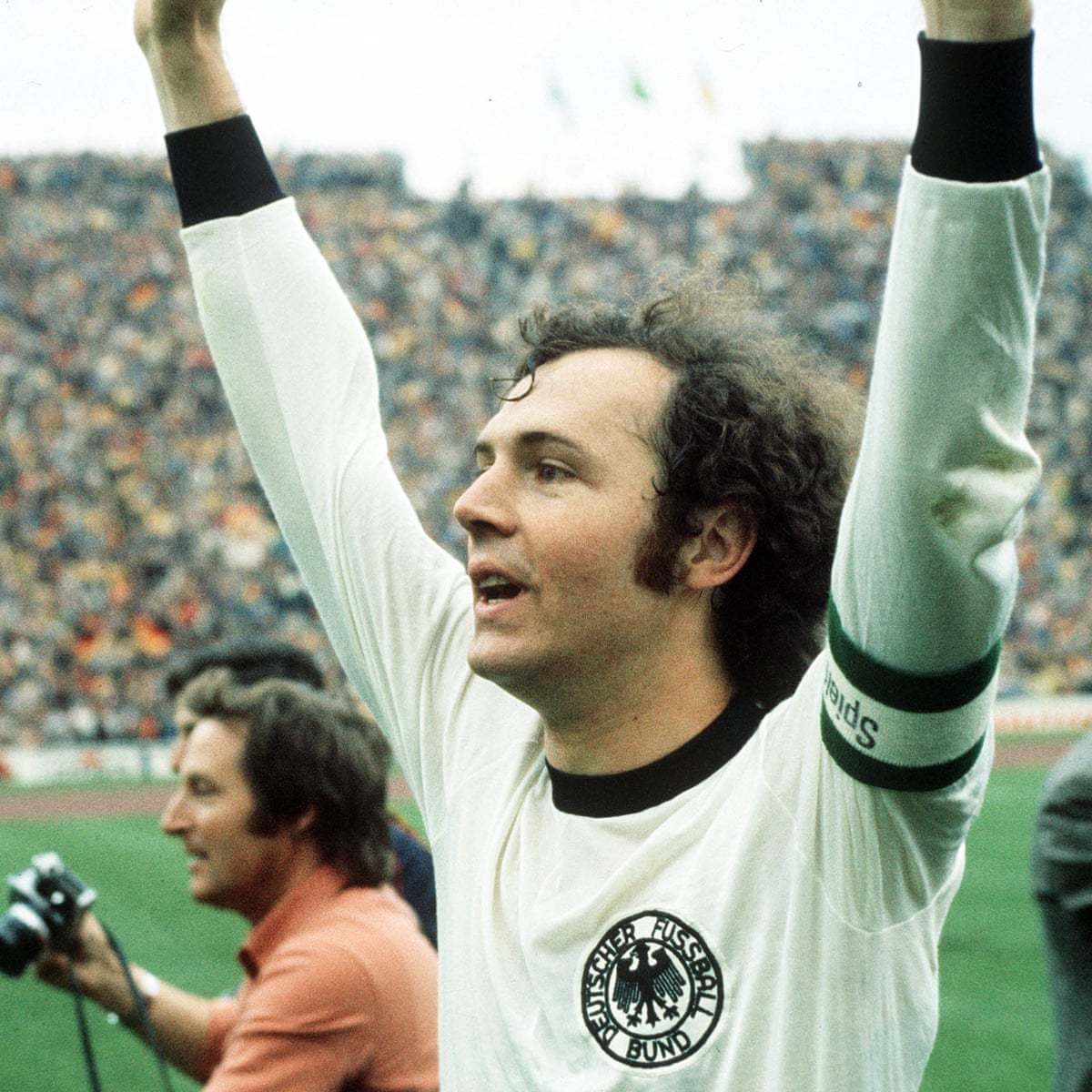
Line up Franco Baresi next to Elías Figueroa and the contrasts come quickly. Both built reputations on finding the back of the net, but they did it in markedly different ways. Across his senior career Franco Baresi notched 19 goals in 800 appearances (0.02 per game), while Elías Figueroa recorded 40 in 600 (0.07 per game). Reliable assist tallies simply do not exist for large stretches of their careers, leaving creativity to the eye rather than the spreadsheet. In major honours Franco Baresi collected 18 — headlined by 3× European Cup (1989, 1990, 1994) — whereas Elías Figueroa amassed 5, led by 2× Uruguayan Primera División (1967, 1968). Franco Baresi scored with a commanding that defined his era, while Elías Figueroa's finishing carried a elegant all of its own. Their routes to the top were distinct: Franco Baresi built his reputation across AC Milan, peaking around 1989, while Elías Figueroa reached his defining level around 1974 after spells with Santiago Wanderers, Peñarol, Internacional, Palestino, Fort Lauderdale Strikers. The honest conclusion is that comparison enriches appreciation rather than crowns a single winner.
181 words · comparison angle: goalscoring
Player profiles
AC Milan icon who spent his entire 20-year career at the club; three-time European Cup winner and 1994 World Cup finalist with Italy.
“A peerless sweeper whose reading, tackling and leadership built a defensive dynasty at Milan.”
A three-time South American Footballer of the Year, Figueroa is widely considered the finest defender the continent has produced, marshalling Internacional's dominant 1970s side.
“An imperious, elegant centre-back who combined aerial dominance with composed distribution well ahead of his era.”
Head-to-head stats
Career goals by season
Representative career seasons — goals per season for each player across their documented clubs.
Attribute radar
Attribute ratings are peak-era, 0–100. Different positions naturally skew the profile.
Attribute comparison
Trophy breakdown
- 3× European Cup (1989, 1990, 1994)
- 6× Serie A (1979, 1988, 1992, 1993, 1994, 1996)
- 4× Supercoppa Italiana
- 3× UEFA Super Cup
- 2× Intercontinental Cup (1989, 1990)
- 2× Uruguayan Primera División (1967, 1968)
- 3× Campeonato Gaúcho (1973, 1974, 1975)
Trophy distribution
Career milestones
- 1977 AC Milan debut aged 17
- 1979 First Scudetto with Milan
- 1980 Stayed at Milan in Serie B after the betting scandal
- 1989 First European Cup with Milan
- 1994 Won the Champions League conceding just 15 goals in 30 league games
- 1997 Retired aged 37 with the number 6 shirt retired in his honour
- 1965 Professional debut for Santiago Wanderers
- 1967 Won Uruguayan Primera División with Peñarol
- 1973 Won Campeonato Gaúcho with Internacional
- 1974 Reached the peak of his powers at Internacional
- 1982 Retired after a final spell at Fort Lauderdale Strikers
- Finished his career with 40 goals in 600 appearances and 5 major honours. Finished his career with 40 goals in 600 appearances and 5 major honours.
The verdict
On balance Franco Baresi edges the comparison. The margin is a decisive margin, decided mostly by a weightier trophy cabinet.
Franco Baresi edges it (a decisive margin)