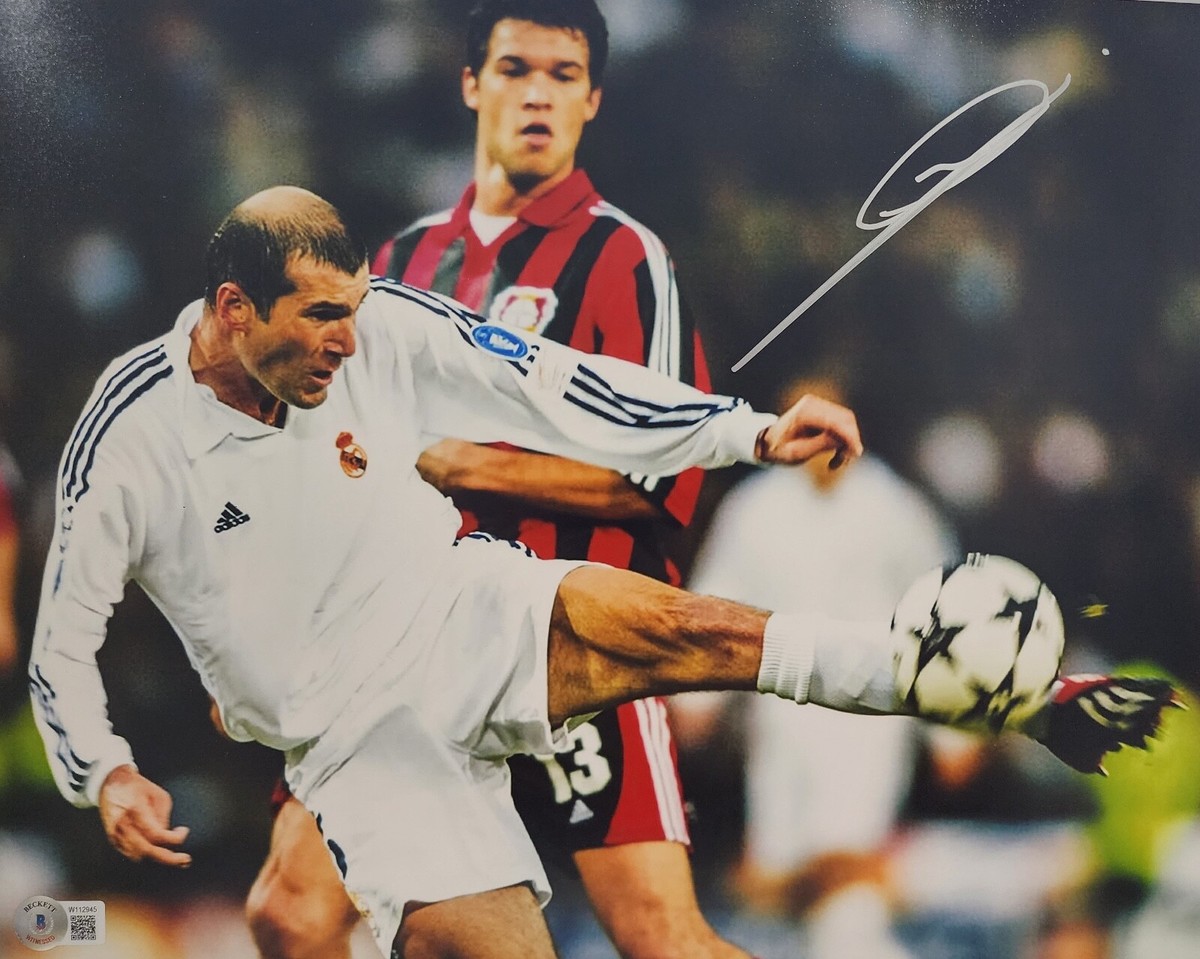
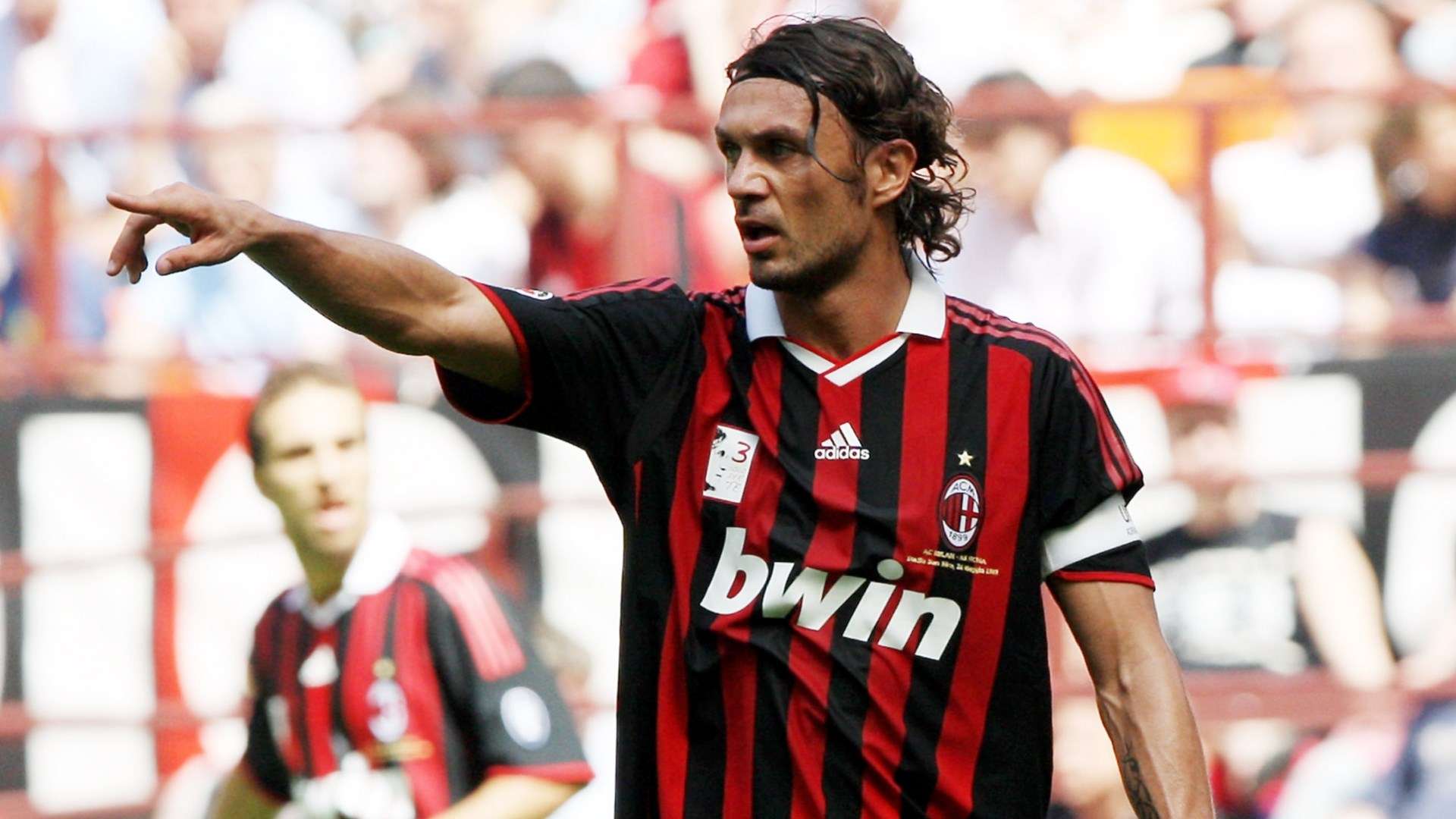
Laurent Blanc vs Elías Figueroa: Stats Compared
Centre-Back, France (born 1965, retired 2003) · Centre-Back, Chile (born 1946, retired 1982)
Laurent Blanc versus Elías Figueroa is a clash of two unmistakable footballing identities. Separated by their years at the top, each defined the football of their own generation. By the end Laurent Blanc had 40 goals from 650 caps and club outings; Elías Figueroa had 40 from 600. Assists were not reliably tracked for much of their careers, which makes the playmaking comparison an imperfect one; where records exist, Laurent Blanc is credited with 20 and Elías Figueroa with 0. Laurent Blanc departs the game with 3 major pieces of silverware, including 1× FIFA World Cup (1998); Elías Figueroa with 5, including 2× Uruguayan Primera División (1967, 1968). Laurent Blanc belonged to the 1990s, dominating with a uncompromising quality; Elías Figueroa rose in the 1970s with a commanding edge. Their routes to the top were distinct: Laurent Blanc built his reputation across Montpellier, Napoli, Saint-Étienne, Barcelona, Marseille, Inter Milan, Manchester United, peaking around 1998, while Elías Figueroa reached his defining level around 1974 after spells with Santiago Wanderers, Peñarol, Internacional, Palestino, Fort Lauderdale Strikers. Arguments will run and run, which is exactly why the matchup endures.
186 words · comparison angle: era
Player profiles
Nicknamed 'Le Président' for his calm authority, Blanc scored France's golden-goal winner at the 1998 World Cup before ending his career with a Premier League title at Manchester United.
“An elegant, composed centre-back whose reading of the game and ball-playing ability made him a leader at the back.”
A three-time South American Footballer of the Year, Figueroa is widely considered the finest defender the continent has produced, marshalling Internacional's dominant 1970s side.
“An imperious, elegant centre-back who combined aerial dominance with composed distribution well ahead of his era.”
Head-to-head stats
Career goals by season
Representative career seasons — goals per season for each player across their documented clubs.
Attribute radar
Attribute ratings are peak-era, 0–100. Different positions naturally skew the profile.
Attribute comparison
Trophy breakdown
- 1× FIFA World Cup (1998)
- 1× UEFA European Championship (2000)
- 1× Premier League (2003)
- 2× Uruguayan Primera División (1967, 1968)
- 3× Campeonato Gaúcho (1973, 1974, 1975)
Trophy distribution
Career milestones
- 1983 Professional debut for Montpellier
- 1998 Won FIFA World Cup with Marseille
- 2003 Won Premier League with Manchester United
- 1998 Reached the peak of his powers at Marseille
- 2003 Retired after a final spell at Manchester United
- Finished his career with 40 goals in 650 appearances and 3 major honours. Finished his career with 40 goals in 650 appearances and 3 major honours.
- 1965 Professional debut for Santiago Wanderers
- 1967 Won Uruguayan Primera División with Peñarol
- 1973 Won Campeonato Gaúcho with Internacional
- 1974 Reached the peak of his powers at Internacional
- 1982 Retired after a final spell at Fort Lauderdale Strikers
- Finished his career with 40 goals in 600 appearances and 5 major honours. Finished his career with 40 goals in 600 appearances and 5 major honours.
The verdict
Weighing production, silverware and profile, the two finish within a whisker of each other. Call it a respectful draw — greatness of this calibre resists a single winner.
Too close to call — a respectful draw