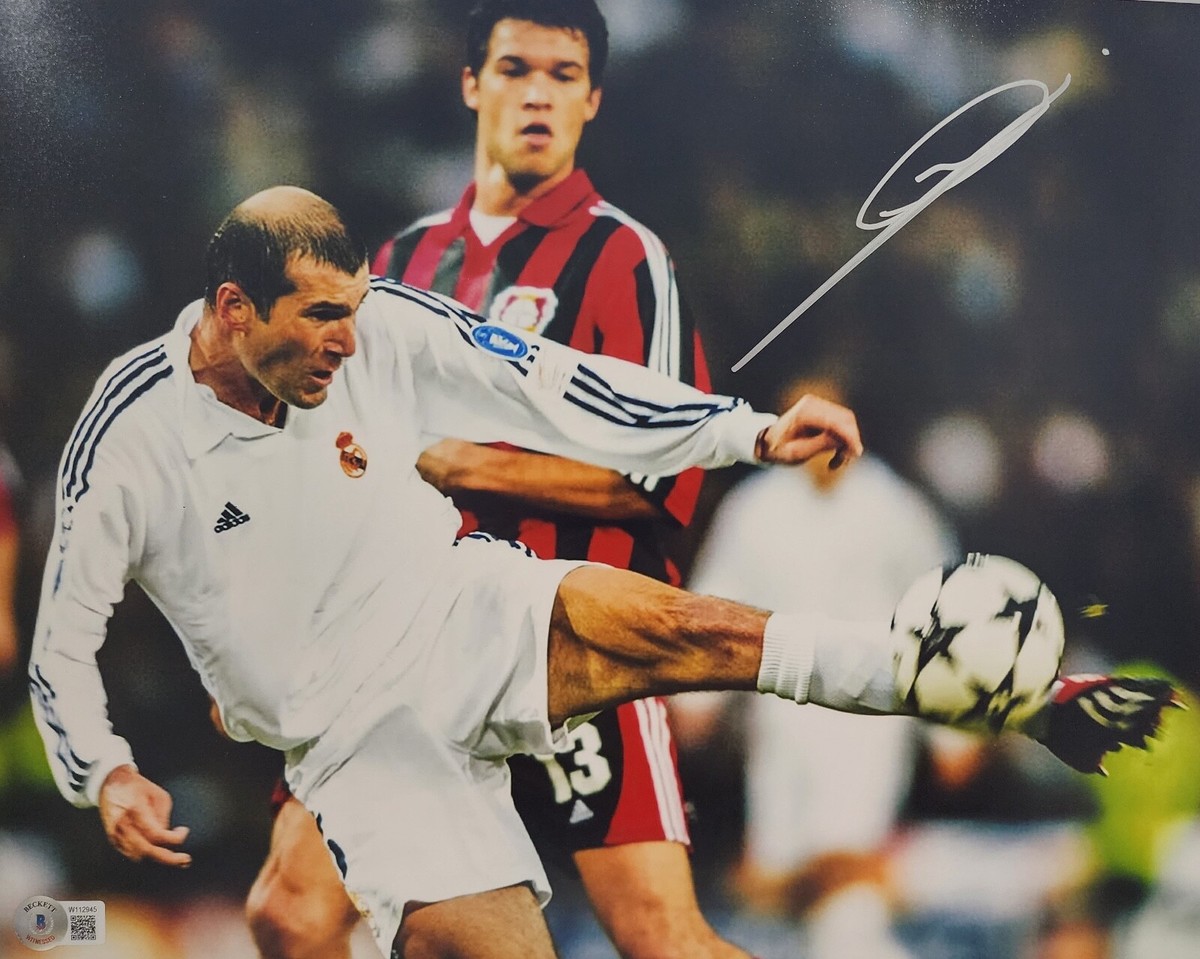
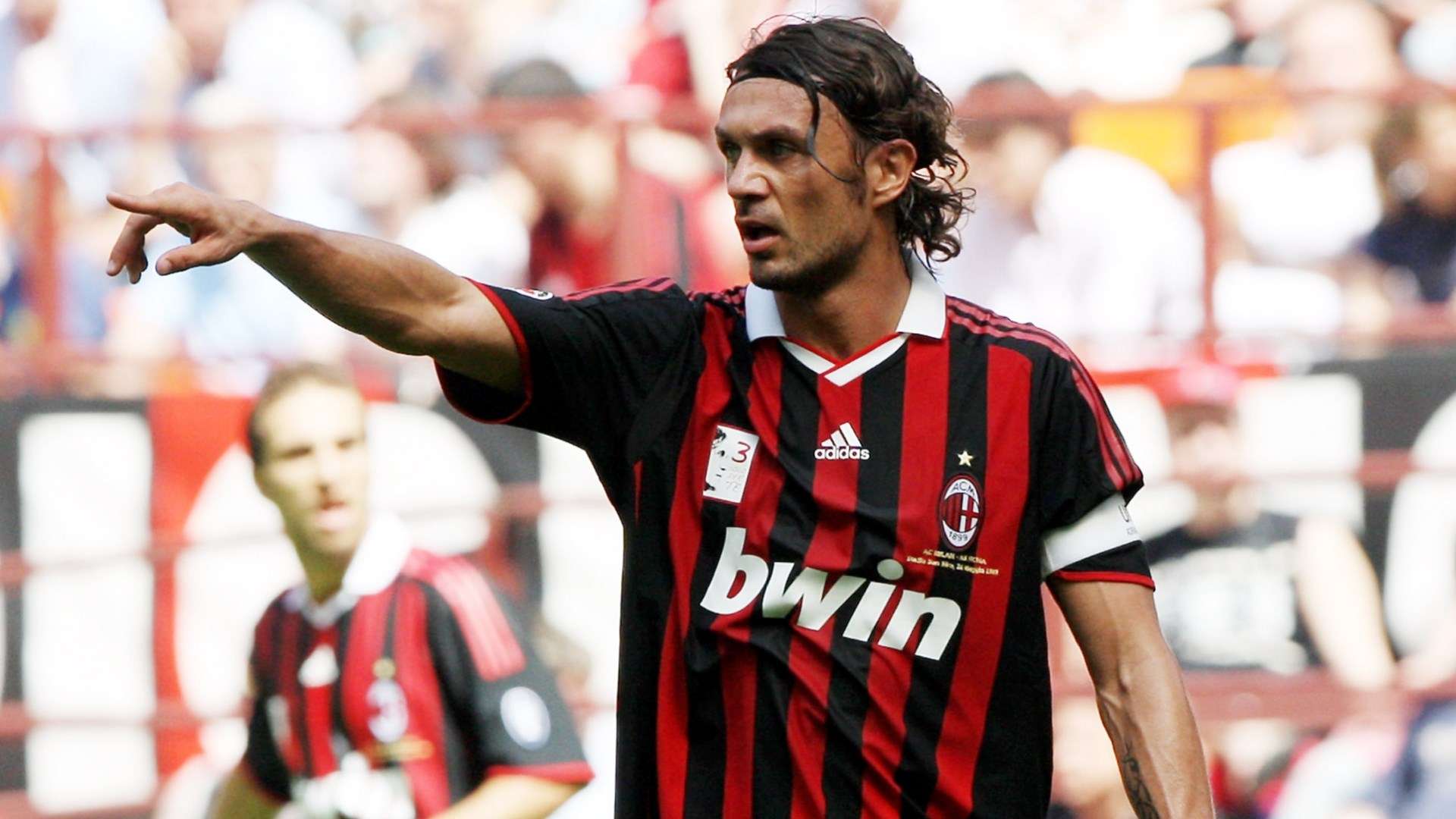
Cafu vs Andriy Shevchenko: Stats Compared
Right-Back, Brazil (born 1970, retired 2008) · Striker, Ukraine (born 1976, retired 2012)
Set Cafu alongside Andriy Shevchenko and the numbers start an argument of their own. Strip away the highlights and the medal count tells its own story for each man. Across his senior career Cafu notched 53 goals in 856 appearances (0.06 per game), while Andriy Shevchenko recorded 369 in 803 (0.46 per game). Because assists were not systematically tracked for much of their time, that side of the comparison rests on the footage that survives. In major honours Cafu collected 9 — headlined by 2× FIFA World Cup (1994, 2002) — whereas Andriy Shevchenko amassed 9, led by 1× UEFA Champions League (2003). Cafu built his medal haul through years of elegant consistency, while Andriy Shevchenko won his with explosive bursts of brilliance. Their routes to the top were distinct: Cafu built his reputation across São Paulo, Roma, Milan, peaking around 2002, while Andriy Shevchenko reached his defining level around 2003 after spells with Dynamo Kyiv, AC Milan, Chelsea. Few pairings invite such entrenched disagreement, and fewer still deserve it this much.
172 words · comparison angle: trophies
Player profiles
Marcos Evangelista de Morais (born 7 June 1970), known as Cafu, is a Brazilian former professional footballer who played as a right-back. Widely regarded as one of the greatest full-backs of all time, he was known for his pace and energetic attacking runs along the right flank. He is the most-capped player for the Brazil national team with 142 appearances.
“A relentless full-back whose running power and crossing made the flank a second engine.”
Ukrainian striker and Dynamo Kyiv legend, Champions League winner with AC Milan in 2003; Ballon d'Or winner in 2004.
“A clinical, explosive striker with pace, finishing and an eye for European nights.”
Head-to-head stats
Career goals by season
Representative career seasons — goals per season for each player across their documented clubs.
Attribute radar
Attribute ratings are peak-era, 0–100. Different positions naturally skew the profile.
Attribute comparison
Trophy breakdown
- 2× FIFA World Cup (1994, 2002)
- 1× UEFA Champions League (2003)
- 1× Serie A (2004)
- 1× UEFA Super Cup (2003)
- 5× Ukrainian Premier League
- 1× Ukrainian Cup
Trophy distribution
Career milestones
- 1994 Established himself at São Paulo
- 1998 Reached his defining peak
- 2002 Delivered a landmark season
- 2008 Retired from professional football
- 1994 Dynamo Kyiv debut
- 1997 Hat-trick in the Champions League against Barcelona
- 1999 Signed for AC Milan
- 2003 Champions League winner, scored in the final on penalties
- 2004 Ballon d'Or winner
- 2006 Joined Chelsea in an unsuccessful spell
- 2009 Returned to Dynamo Kyiv
The verdict
Weighing production, silverware and profile, the two finish within a whisker of each other. Call it a respectful draw — greatness of this calibre resists a single winner.
Too close to call — a respectful draw