Johan Cruyff vs Hidetoshi Nakata: Stats Compared
Forward / Playmaker, Netherlands (born 1947, retired 1984) · Attacking Midfielder, Japan (born 1977, retired 2006)
Johan Cruyff and Hidetoshi Nakata represent two answers to the same question: how do you define a great? Long after the final whistle, what lingers is influence, and each man reshaped his corner of the game. The raw numbers read 401 goals in 710 outings for Johan Cruyff (0.56/game), versus 60 in 400 for Hidetoshi Nakata (0.15/game). Assists were not reliably tracked for much of their careers, which makes the playmaking comparison an imperfect one; where records exist, Johan Cruyff is credited with 0 and Hidetoshi Nakata with 60. In major honours Johan Cruyff collected 16 — headlined by 3× European Cup (1971, 1972, 1973) — whereas Hidetoshi Nakata amassed 1, led by 1× Serie A (2001). History will file Johan Cruyff under dictatorial greatness and Hidetoshi Nakata under incisive greatness — different shelves, same temple. Their routes to the top were distinct: Johan Cruyff built his reputation across Ajax, Barcelona, LA Aztecs, Washington Diplomats, Levante, Feyenoord, peaking around 1972, while Hidetoshi Nakata reached his defining level around 2001 after spells with Bellmare Hiratsuka, Perugia, Roma, Parma, Bologna, Fiorentina, Bolton Wanderers. Each, in his own way, set a standard the other is measured against.
194 words · comparison angle: legacy
Player profiles
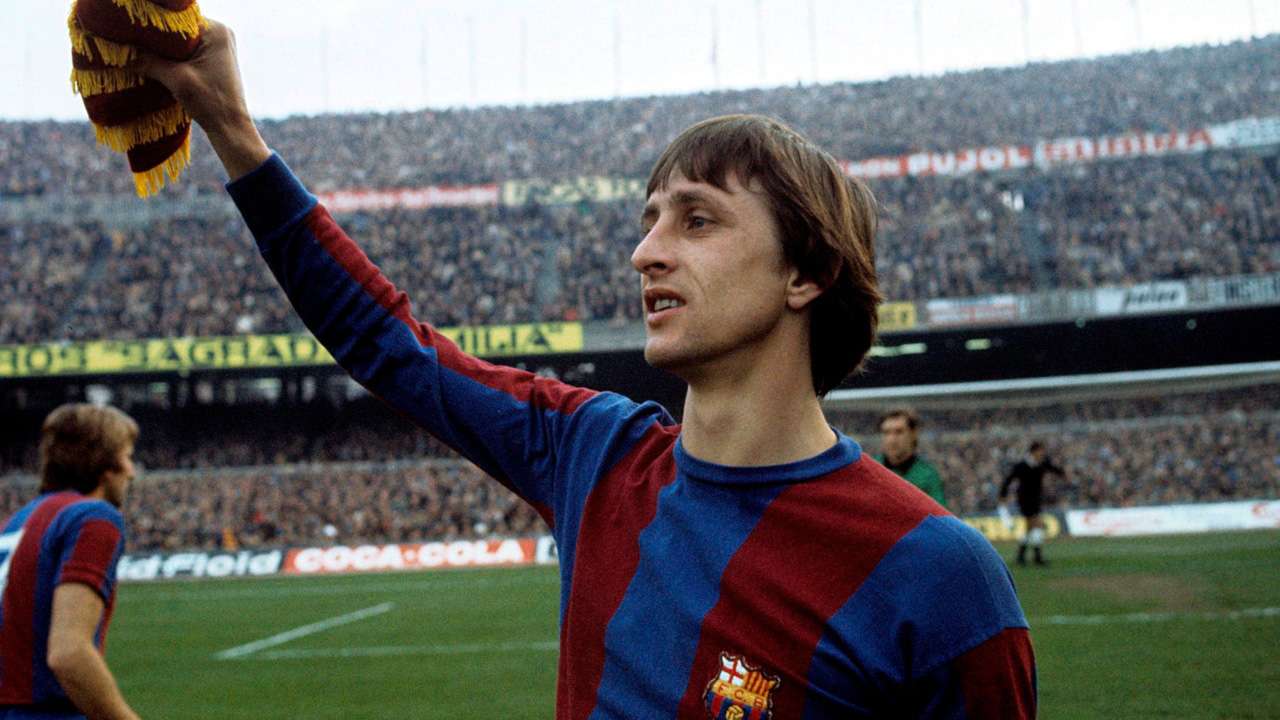
Dutch legend and architect of Total Football; three-time Ballon d'Or winner who transformed the philosophy of Ajax, Barcelona and the Netherlands.
“A visionary total-footballer whose intelligence, agility and trademark Cruyff Turn defined the modern playmaker.”
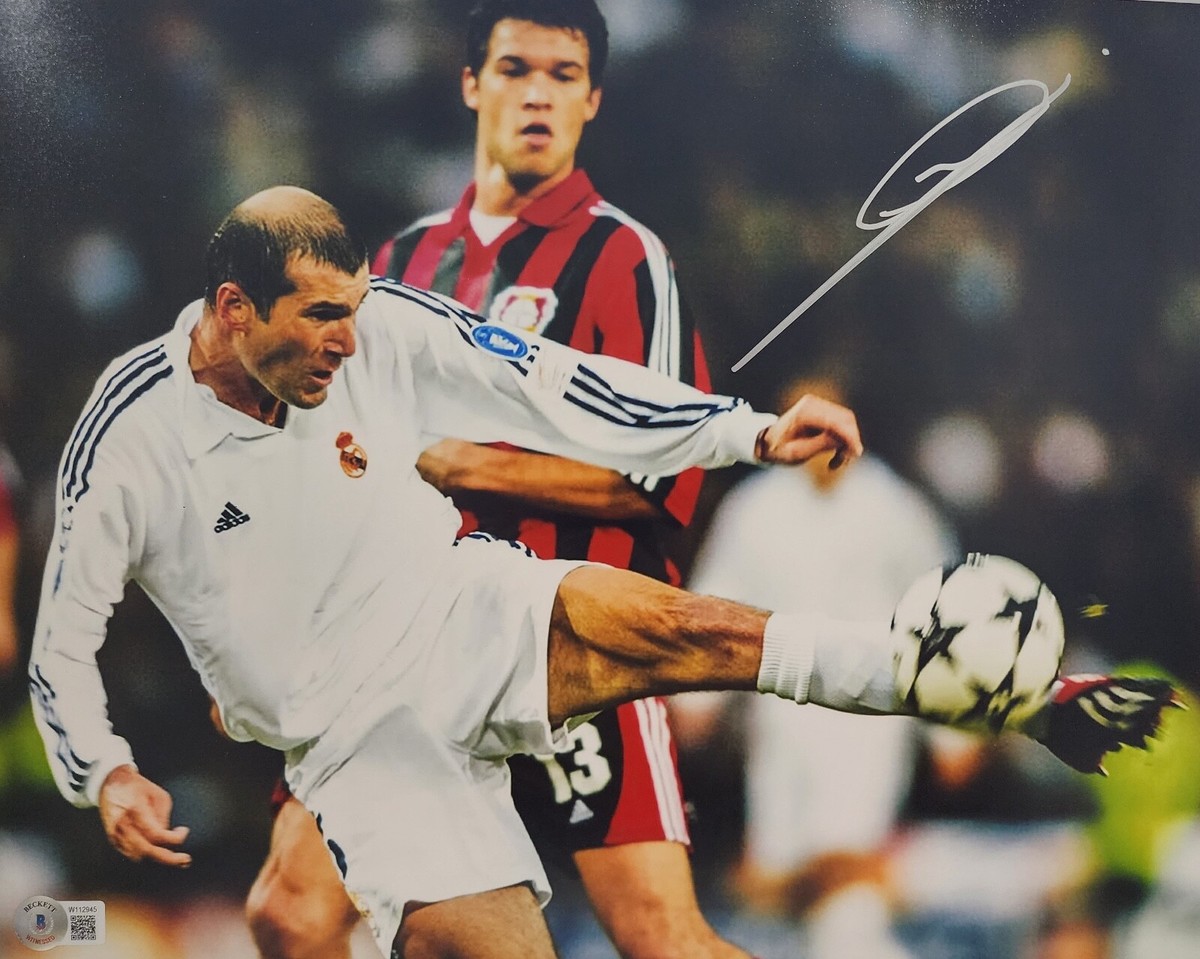
The first Japanese footballer to become a global superstar, Nakata's move to Serie A in 1998 opened the door for a generation of Japanese players in Europe.
“A composed, technically excellent attacking midfielder blessed with an outstanding range of passing and shooting from distance.”
Head-to-head stats
Career goals by season
Representative career seasons — goals per season for each player across their documented clubs.
Attribute radar
Attribute ratings are peak-era, 0–100. Different positions naturally skew the profile.
Attribute comparison
Trophy breakdown
- 3× European Cup (1971, 1972, 1973)
- 7× Eredivisie
- 4× KNVB Cup
- 1× La Liga (1974)
- 1× Copa del Rey (1978)
- 1× Serie A (2001)
Trophy distribution
Career milestones
- 1964 Ajax debut aged 17
- 1971 Won first of three consecutive European Cups
- 1973 World-record transfer to Barcelona
- 1974 Carried Netherlands to the World Cup final, won Golden Ball
- 1979 Moved to the NASL with Los Angeles Aztecs
- 1981 Returned to Ajax for a second spell
- 1984 Won the league and cup double with Feyenoord
- 1995 Professional debut for Bellmare Hiratsuka
- 2001 Won Serie A with Roma
- 2001 Reached the peak of his powers at Roma
- 2006 Retired after a final spell at Bolton Wanderers
- Finished his career with 60 goals in 400 appearances and 1 major honours. Finished his career with 60 goals in 400 appearances and 1 major honours.
The verdict
The numbers give Johan Cruyff the lead — a decisive margin, courtesy of a sharper goalscoring record.
Johan Cruyff edges it (a decisive margin)