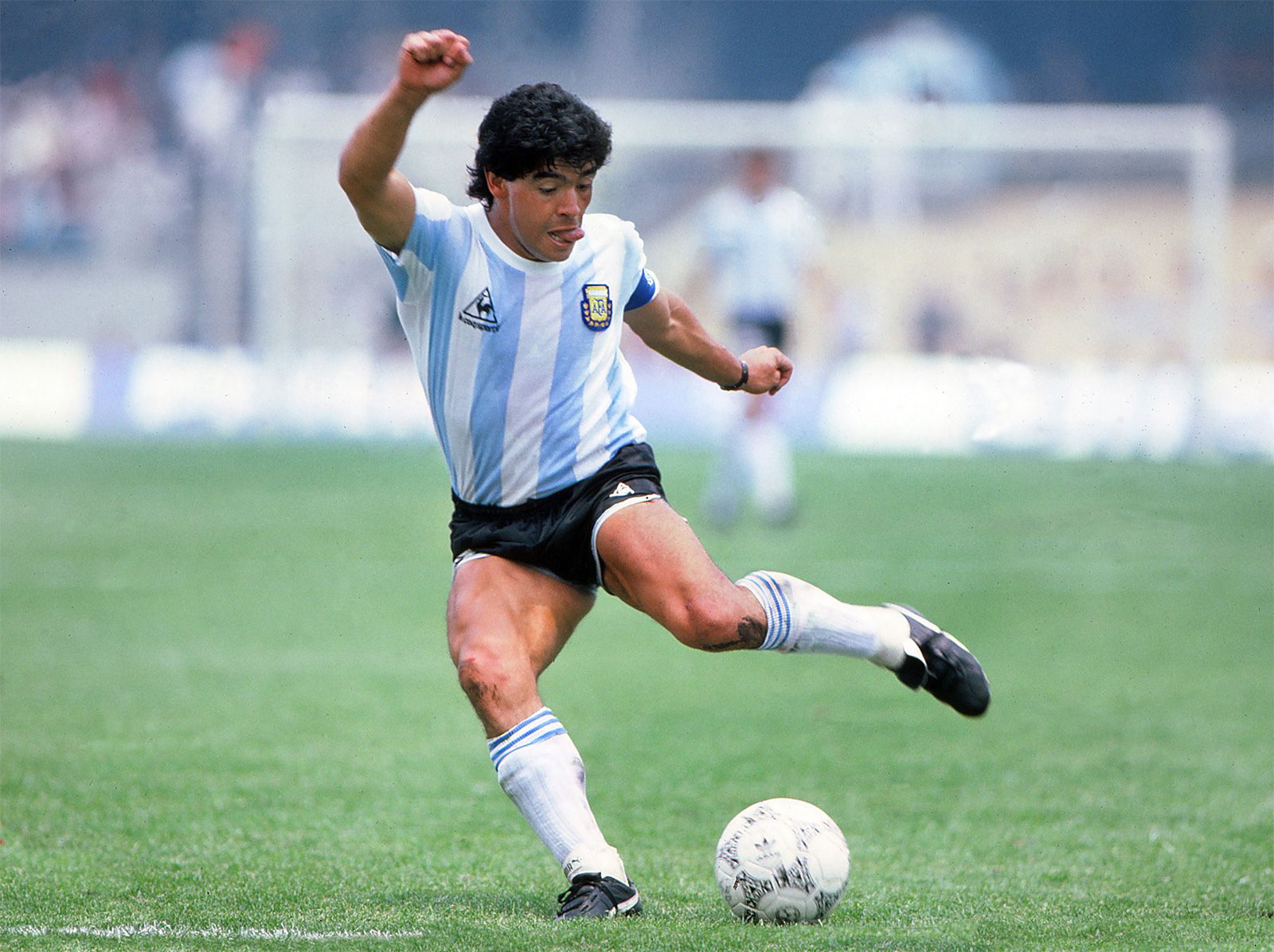
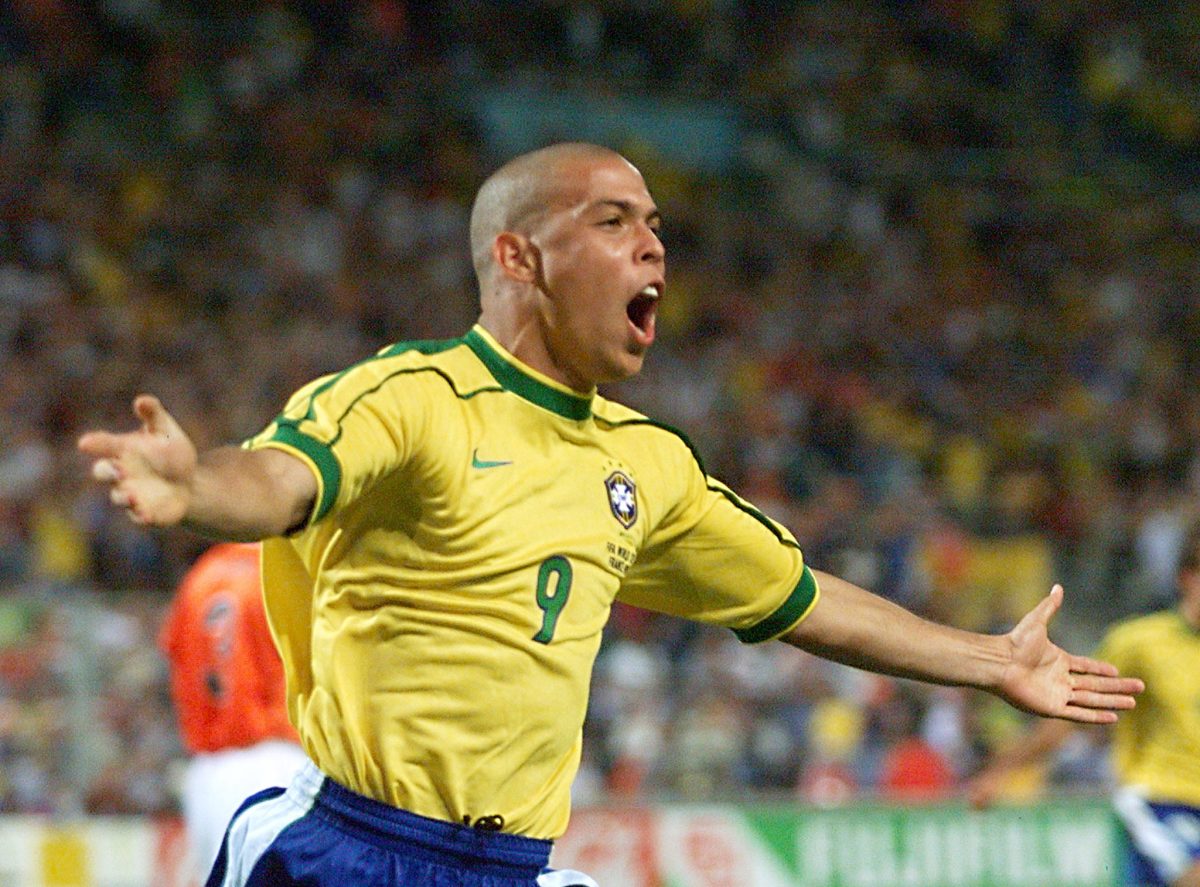
David Villa vs Elías Figueroa: Stats Compared
Striker, Spain (born 1981, retired 2020) · Centre-Back, Chile (born 1946, retired 1982)
David Villa versus Elías Figueroa is a clash of two unmistakable footballing identities. Style separates them as much as statistics: two players, two unmistakable signatures. By the end David Villa had 376 goals from 752 caps and club outings; Elías Figueroa had 40 from 600. Assists were never formally recorded across most of their eras, so the playmaking dimension has to be judged on reputation and highlights rather than hard totals. Trophy counts give David Villa 9 and Elías Figueroa 5, with 1× FIFA World Cup (2010) and 2× Uruguayan Primera División (1967, 1968) the standout honours respectively. David Villa played with a explosive that made him unmistakable; Elías Figueroa brought a resolute that was equally his own. Their routes to the top were distinct: David Villa built his reputation across Sporting Gijón, Valencia, Barcelona, Atlético Madrid, peaking around 2010, while Elías Figueroa reached his defining level around 1974 after spells with Santiago Wanderers, Peñarol, Internacional, Palestino, Fort Lauderdale Strikers. Whichever side you land on, both belong in any conversation about the finest of their generation.
176 words · comparison angle: style
Player profiles
David Villa Sánchez is a Spanish former professional footballer who played as a striker. Regarded as one of the best strikers of his generation, Villa is the all-time top goalscorer of the Spain national team. He is currently the vice-president of Spanish Tercera Federación club CF Benidorm and a member of the Board of Directors of La Liga club Atlético Madrid.
“A two-footed finisher who attacked channels intelligently and struck cleanly from distance.”
A three-time South American Footballer of the Year, Figueroa is widely considered the finest defender the continent has produced, marshalling Internacional's dominant 1970s side.
“An imperious, elegant centre-back who combined aerial dominance with composed distribution well ahead of his era.”
Head-to-head stats
Career goals by season
Representative career seasons — goals per season for each player across their documented clubs.
Attribute radar
Attribute ratings are peak-era, 0–100. Different positions naturally skew the profile.
Attribute comparison
Trophy breakdown
- 1× FIFA World Cup (2010)
- 2× Uruguayan Primera División (1967, 1968)
- 3× Campeonato Gaúcho (1973, 1974, 1975)
Trophy distribution
Career milestones
- 2002 Established himself at Sporting Gijón
- 2006 Reached his defining peak
- 2010 Delivered a landmark season
- 2020 Retired from professional football
- 1965 Professional debut for Santiago Wanderers
- 1967 Won Uruguayan Primera División with Peñarol
- 1973 Won Campeonato Gaúcho with Internacional
- 1974 Reached the peak of his powers at Internacional
- 1982 Retired after a final spell at Fort Lauderdale Strikers
- Finished his career with 40 goals in 600 appearances and 5 major honours. Finished his career with 40 goals in 600 appearances and 5 major honours.
The verdict
Weighing production against honours, David Villa takes the verdict — a decisive margin, driven by a sharper goalscoring record.
David Villa edges it (a decisive margin)