Samuel Eto'o vs Luis Enrique: Stats Compared
Striker, Cameroon (born 1981, retired 2019) · Attacking Midfielder, Spain (born 1970, retired 2004)
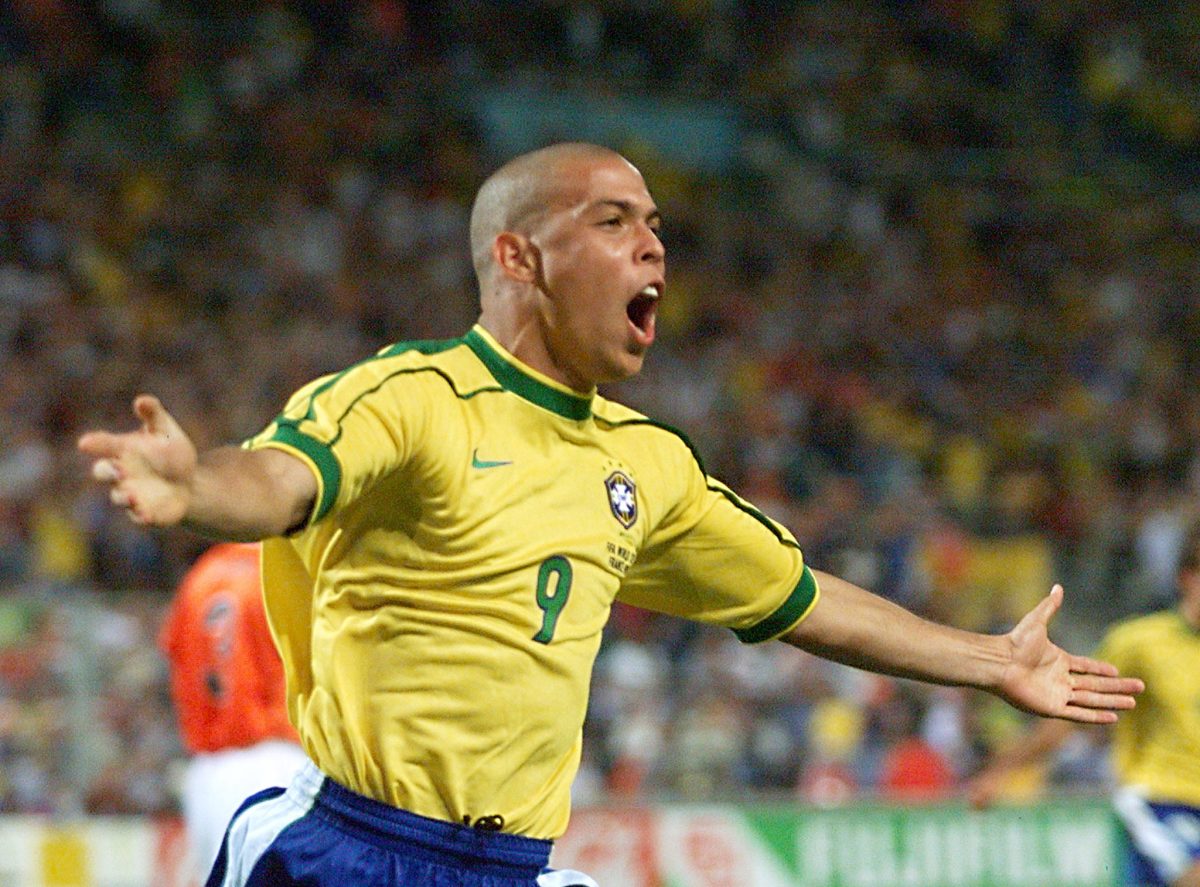
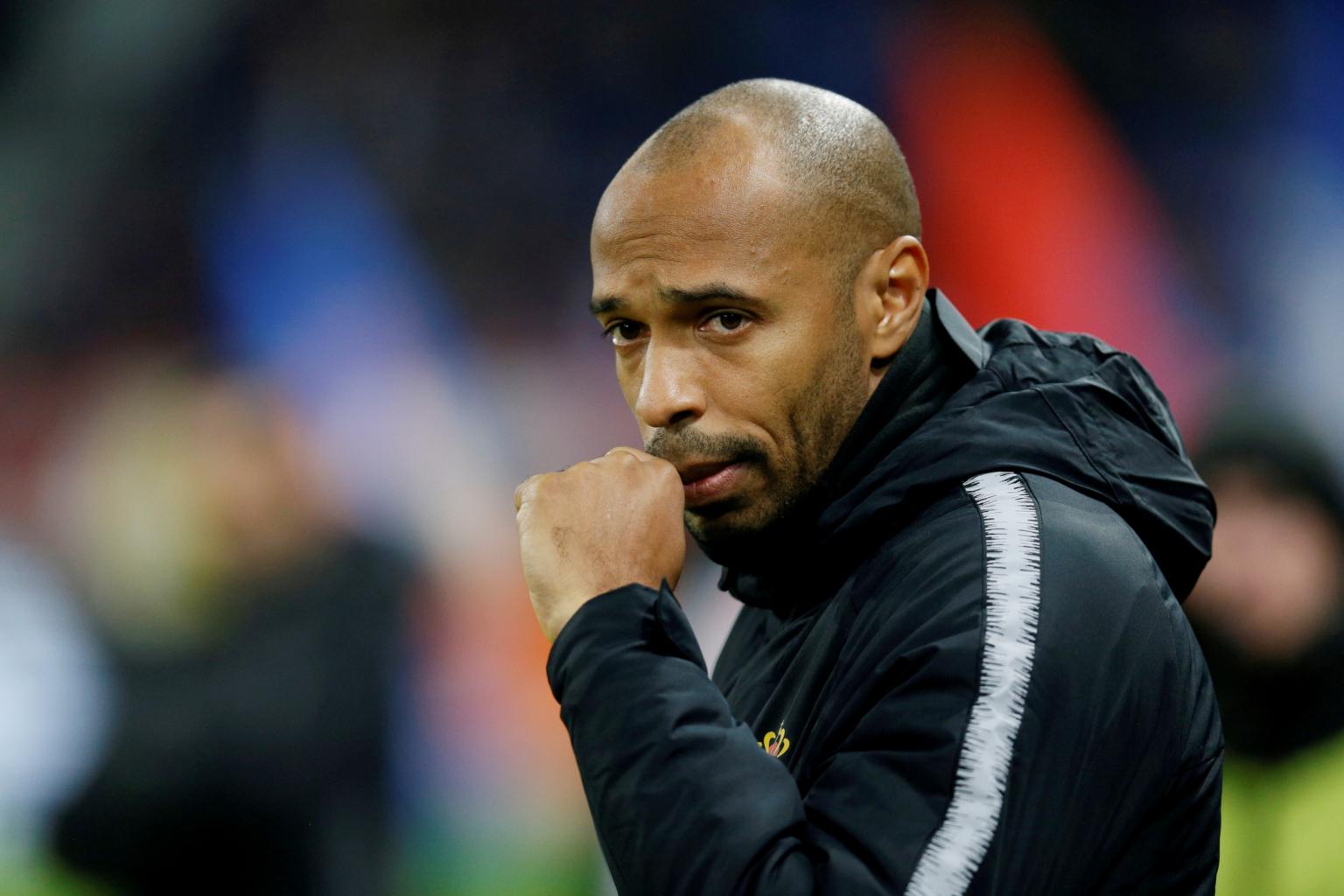
Samuel Eto'o versus Luis Enrique is a clash of two unmistakable footballing identities. Era matters in any comparison, and these two peaked under very different footballing conditions. Across his senior career Samuel Eto'o notched 371 goals in 768 appearances (0.48 per game), while Luis Enrique recorded 158 in 556 (0.28 per game). Assists were never formally recorded across most of their eras, so the playmaking dimension has to be judged on reputation and highlights rather than hard totals. The honours ledger favours Samuel Eto'o with 10 major trophies (3× UEFA Champions League (2006, 2009, 2010)) against Luis Enrique's 8 (2× La Liga (1995, 1999)). Samuel Eto'o belonged to the turn of the millennium, dominating with a flair-driven quality; Luis Enrique rose in the 1990s with a creative edge. Club journeys add another layer, with Samuel Eto'o reaching his representative peak around 2009 across Mallorca, Barcelona, Inter Milan, Chelsea, others and Luis Enrique doing so around 1999 with Sporting Gijón, Real Madrid, Barcelona. Picking between them says as much about the picker as the players.
174 words · comparison angle: era
Player profiles
Cameroon legend and three-time Champions League winner (twice with Barcelona, once with Inter); Africa's most decorated player.
“A predatory, pacy striker with a venomous finish and the temperament for big finals.”
Luis Enrique Martínez García is a Spanish football manager and former player who is currently the head coach of Ligue 1 club Paris Saint-Germain. A versatile player with good technique, he was capable of playing in several positions but was usually deployed as a midfielder or forward, and was also noted for his temperament and stamina. Starting in 1991 and ending in 2004, he began his career at Sporting de Gijón and later represented both Real Madrid and Barcelona with both individual and team success, taking part in 558 official games and scoring 144 goals.
“A versatile, hard-running midfielder who arrived late and contributed everywhere.”
Head-to-head stats
Career goals by season
Representative career seasons — goals per season for each player across their documented clubs.
Attribute radar
Attribute ratings are peak-era, 0–100. Different positions naturally skew the profile.
Attribute comparison
Trophy breakdown
- 3× UEFA Champions League (2006, 2009, 2010)
- 3× La Liga (2005, 2006, 2009)
- 1× Serie A (2010)
- 2× Africa Cup of Nations (2000, 2002)
- 1× Olympic Gold Medal (2000)
- 2× La Liga (1995, 1999)
Trophy distribution
Career milestones
- 1997 Real Madrid academy arrival followed by loan spells
- 2000 AFCON winner and Olympic gold with Cameroon
- 2000 Joined Mallorca
- 2006 Scored in the Champions League final
- 2009 Scored in the Champions League final again with Barcelona
- 2010 Joined Inter Milan and won the treble under Mourinho
- 2014 Joined Everton, later spells at Sampdoria and Antalyaspor
- 1991 Established himself at Sporting Gijón
- 1995 Reached his defining peak
- 1999 Delivered a landmark season
- 2004 Retired from professional football
The verdict
If forced to pick, Samuel Eto'o is the choice: a clear margin, with a sharper goalscoring record the deciding factor.
Samuel Eto'o edges it (a clear margin)