Falcão vs Dunga: Stats Compared
Central Midfielder, Brazil (born 1953, retired 1986) · Defensive Midfielder, Brazil (born 1963, retired 1998)
Ask any fan to rank Falcão above or below Dunga and you will get a passionate answer. Goals are the coldest, hardest metric in football, and both players stockedpile them. Falcão finishes with 110 career goals from 482 games — a 0.23 strike rate — against Dunga's 60 from 687 at 0.09 per match. Reliable assist tallies simply do not exist for large stretches of their careers, leaving creativity to the eye rather than the spreadsheet. Falcão departs the game with 8 major pieces of silverware, including 2× Campeonato Brasileiro Série A; Dunga with 8, including 1× FIFA World Cup (1994). Where Falcão was a intelligent presence in the box, Dunga offered a silky approach to goalscoring. Context beyond the headline totals is important: Falcão's landmark level arrived around 1982 with a career spanning Internacional, Roma, São Paulo; Dunga's came around 1994 across Vasco da Gama, Fiorentina, Stuttgart, Júbilo Iwata. Few pairings invite such entrenched disagreement, and fewer still deserve it this much.
163 words · comparison angle: goalscoring
Player profiles
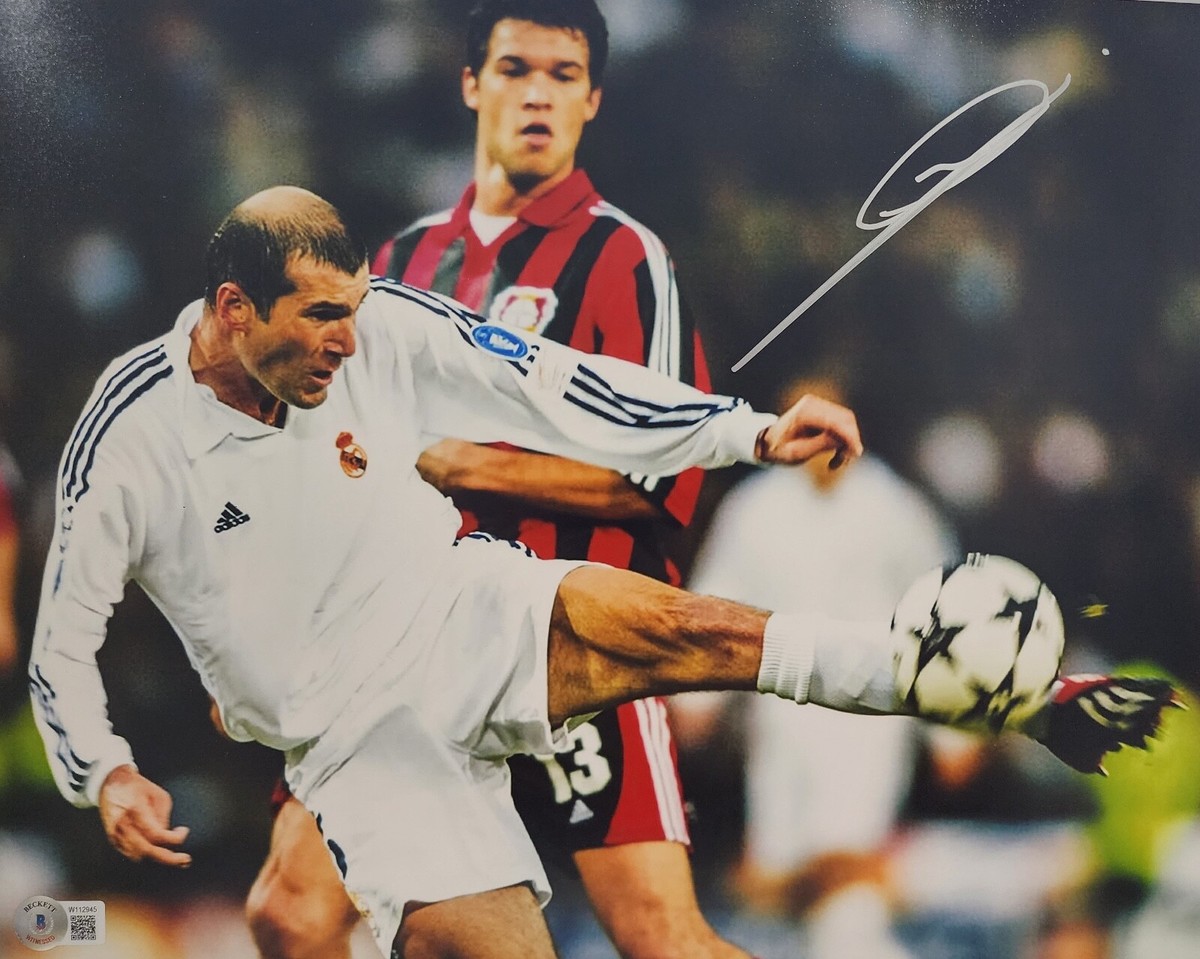
Paulo Roberto Falcão, usually known as simply Falcão, is a Brazilian former footballer and football manager. He is universally considered one of the greatest Brazilian players of all time and one of the greatest midfielders in football history, and one of the best players in the world in his position at his peak in the 1980s. Falcão is widely considered one of the best players in Internacional and Roma history, playing also for São Paulo.
“A complete midfielder who blended elegant ball carrying with tactical intelligence and timing.”
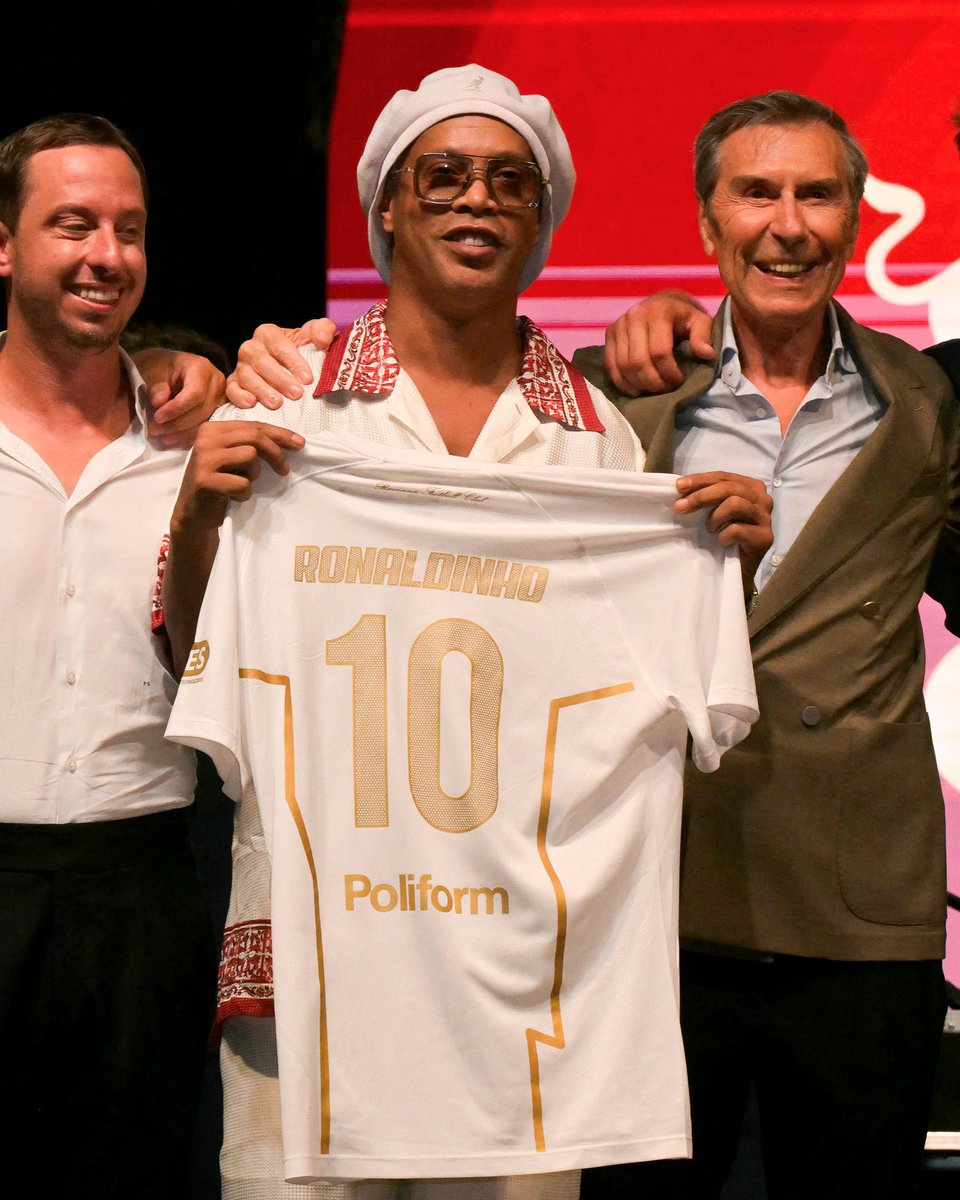
Carlos Caetano Bledorn Verri (born 31 October 1963), commonly known as Dunga, is a Brazilian football manager and former professional player. Considered one of the greatest defensive midfielders of all time, as a player, he was known for his technique, athleticism, passing range, solid tackles and first touch. Under the captaincy Dunga took from Raí, Brazil won the 1994 FIFA World Cup and became runners-up of the following edition.
“A disciplined captain whose tackling, structure and fierce standards gave Brazil balance.”
Head-to-head stats
Career goals by season
Representative career seasons — goals per season for each player across their documented clubs.
Attribute radar
Attribute ratings are peak-era, 0–100. Different positions naturally skew the profile.
Attribute comparison
Trophy breakdown
- 2× Campeonato Brasileiro Série A
- 1× FIFA World Cup (1994)
Trophy distribution
Career milestones
- 1974 Established himself at Internacional
- 1978 Reached his defining peak
- 1982 Delivered a landmark season
- 1986 Retired from professional football
- 1986 Established himself at Vasco da Gama
- 1990 Reached his defining peak
- 1994 Delivered a landmark season
- 1998 Retired from professional football
The verdict
Weighing production, silverware and profile, the two finish within a whisker of each other. Call it a respectful draw — greatness of this calibre resists a single winner.
Too close to call — a respectful draw