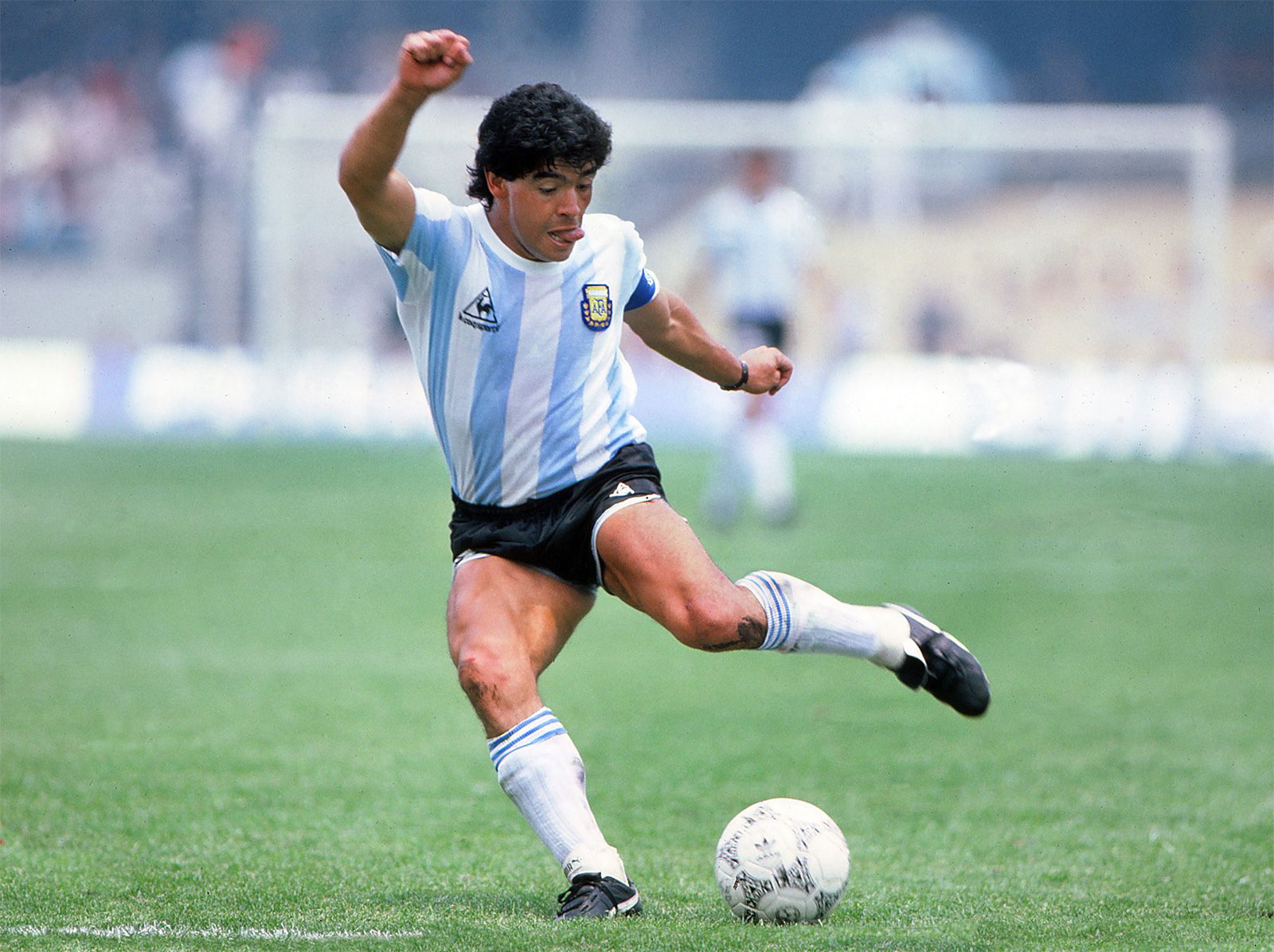
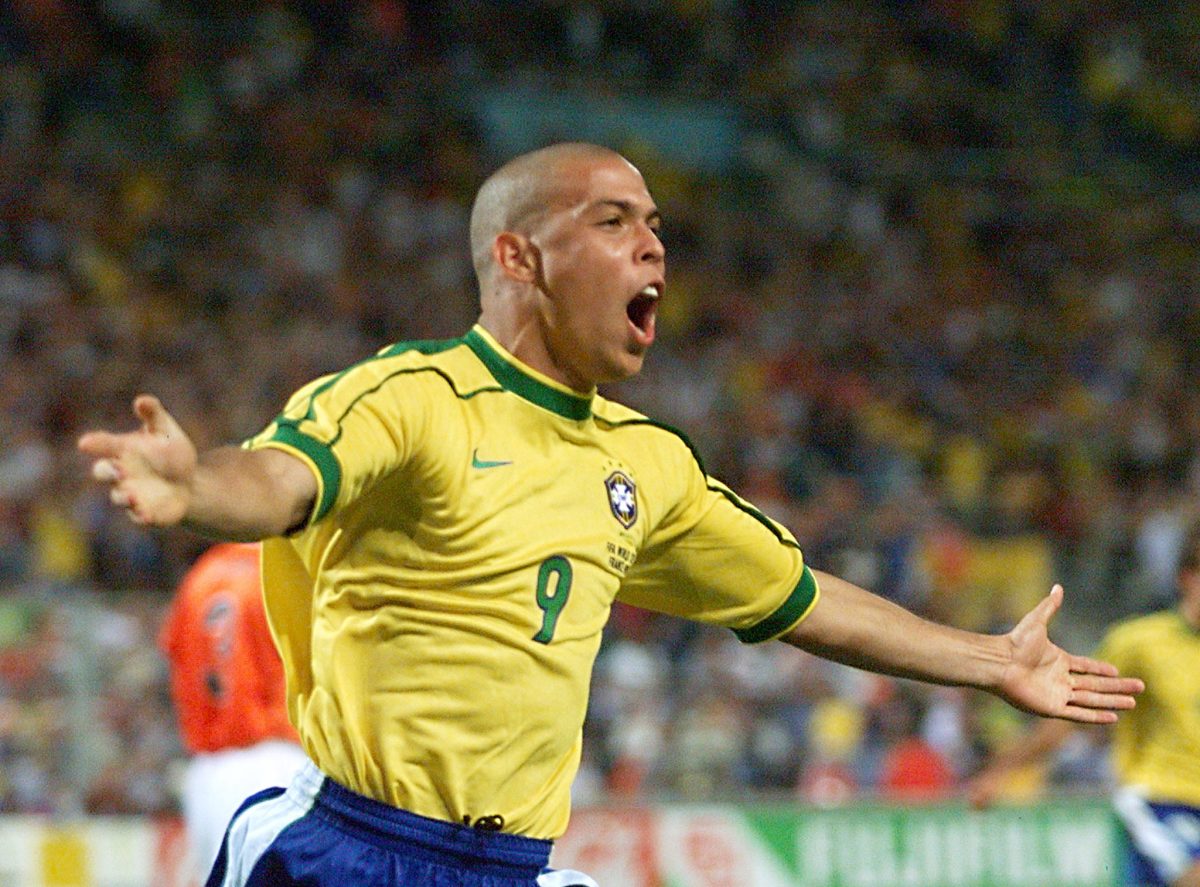
Hugo Sánchez vs Andriy Shevchenko: Stats Compared
Striker, Mexico (born 1958, retired 1997) · Striker, Ukraine (born 1976, retired 2012)
Ask any fan to rank Hugo Sánchez above or below Andriy Shevchenko and you will get a passionate answer. Era matters in any comparison, and these two peaked under very different footballing conditions. Across his senior career Hugo Sánchez notched 500 goals in 780 appearances (0.64 per game), while Andriy Shevchenko recorded 369 in 803 (0.46 per game). Assists were never formally recorded across most of their eras, so the playmaking dimension has to be judged on reputation and highlights rather than hard totals. The honours ledger favours Hugo Sánchez with 6 major trophies (5× La Liga (1986, 1987, 1988, 1989, 1990)) against Andriy Shevchenko's 9 (1× UEFA Champions League (2003)). Hugo Sánchez belonged to the 1980s, dominating with a predatory quality; Andriy Shevchenko rose in the turn of the millennium with a explosive edge. Club journeys add another layer, with Hugo Sánchez reaching his representative peak around 1988 across UNAM Pumas, Atlético Madrid, Real Madrid, América, Rayo Vallecano, Atlante and Andriy Shevchenko doing so around 2003 with Dynamo Kyiv, AC Milan, Chelsea. Greatness, in cases like this, is rarely a zero-sum affair.
183 words · comparison angle: era
Player profiles
The greatest Mexican footballer in history, Sánchez won five successive Pichichi top-scorer awards in La Liga and was famous for his acrobatic backflip goal celebrations.
“An acrobatic, opportunistic poacher whose bicycle kicks and volleys made him one of the most spectacular finishers of his era.”
Ukrainian striker and Dynamo Kyiv legend, Champions League winner with AC Milan in 2003; Ballon d'Or winner in 2004.
“A clinical, explosive striker with pace, finishing and an eye for European nights.”
Head-to-head stats
Career goals by season
Representative career seasons — goals per season for each player across their documented clubs.
Attribute radar
Attribute ratings are peak-era, 0–100. Different positions naturally skew the profile.
Attribute comparison
Trophy breakdown
- 5× La Liga (1986, 1987, 1988, 1989, 1990)
- 1× Copa del Rey (1989)
- 1× UEFA Champions League (2003)
- 1× Serie A (2004)
- 1× UEFA Super Cup (2003)
- 5× Ukrainian Premier League
- 1× Ukrainian Cup
Trophy distribution
Career milestones
- 1976 Professional debut for UNAM Pumas
- 1986 Won La Liga with Real Madrid
- 1989 Won Copa del Rey with Real Madrid
- 1988 Reached the peak of his powers at Real Madrid
- 1997 Retired after a final spell at Atlante
- Finished his career with 500 goals in 780 appearances and 6 major honours. Finished his career with 500 goals in 780 appearances and 6 major honours.
- 1994 Dynamo Kyiv debut
- 1997 Hat-trick in the Champions League against Barcelona
- 1999 Signed for AC Milan
- 2003 Champions League winner, scored in the final on penalties
- 2004 Ballon d'Or winner
- 2006 Joined Chelsea in an unsuccessful spell
- 2009 Returned to Dynamo Kyiv
The verdict
On balance Andriy Shevchenko edges the comparison. The margin is a clear margin, decided mostly by a weightier trophy cabinet.
Andriy Shevchenko edges it (a clear margin)