Luis Suárez vs Michael Ballack: Stats Compared
Central Midfielder, Spain (born 1935, retired 1973) · Central Midfielder, Germany (born 1976, retired 2012)
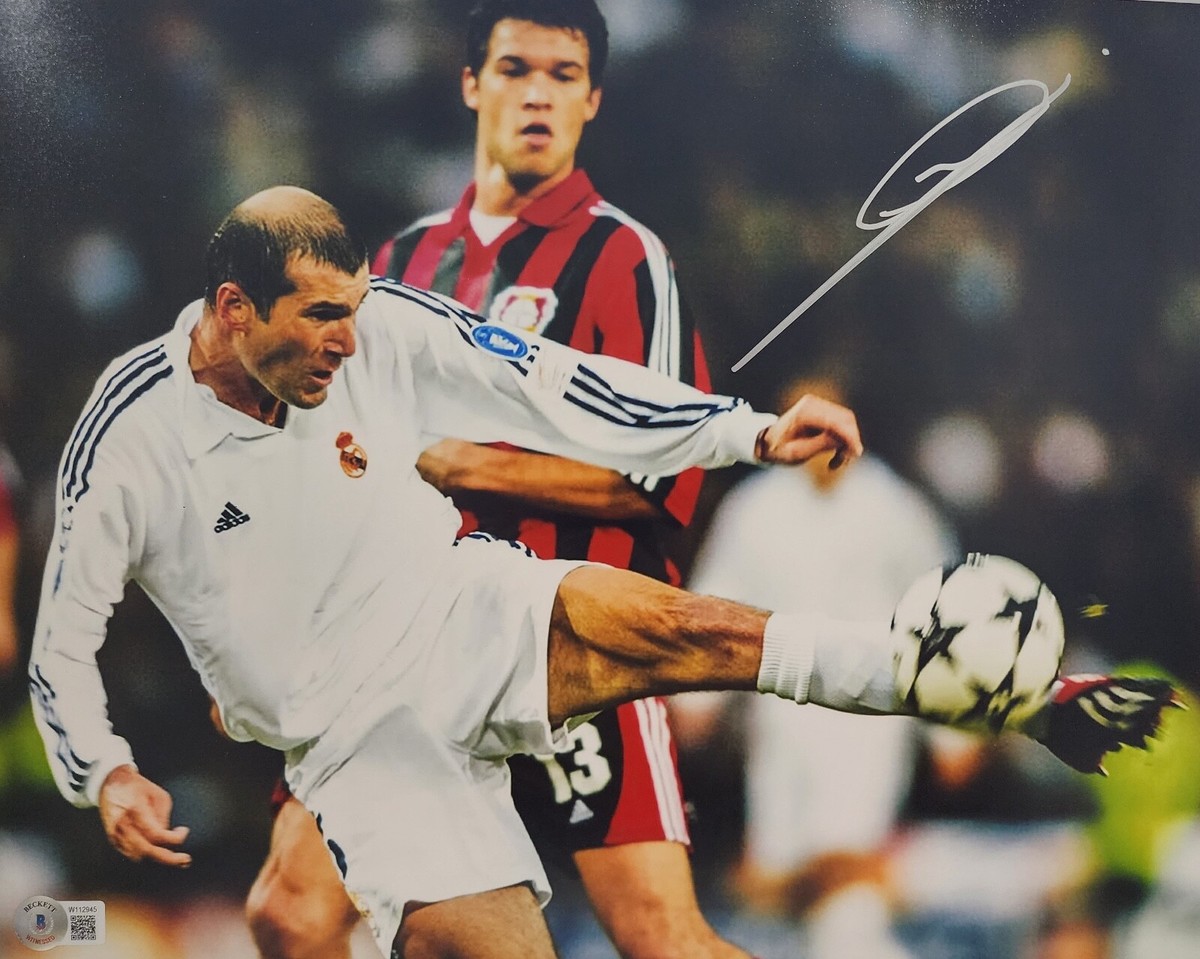
Luis Suárez and Michael Ballack represent two answers to the same question: how do you define a great? Position shapes everything in football, and these two fulfilled very different briefs. Across his senior career Luis Suárez notched 198 goals in 474 appearances (0.42 per game), while Michael Ballack recorded 181 in 641 (0.28 per game). Because assists were not systematically tracked for much of their time, that side of the comparison rests on the footage that survives. Trophy counts give Luis Suárez 9 and Michael Ballack 8, with 2× European Cup (1964, 1965) and 4× Bundesliga (1998–2006) the standout honours respectively. The central midfielder duties of Luis Suárez leaned intelligent; the central midfielder responsibilities of Michael Ballack leaned orchestrating. Their routes to the top were distinct: Luis Suárez built his reputation across Deportivo, Barcelona, Inter Milan, Sampdoria, peaking around 1964, while Michael Ballack reached his defining level around 2002 after spells with Bayer Leverkusen, Bayern Munich, Chelsea. Rank them how you like — both names are carved into the sport's permanent record.
172 words · comparison angle: role
Player profiles
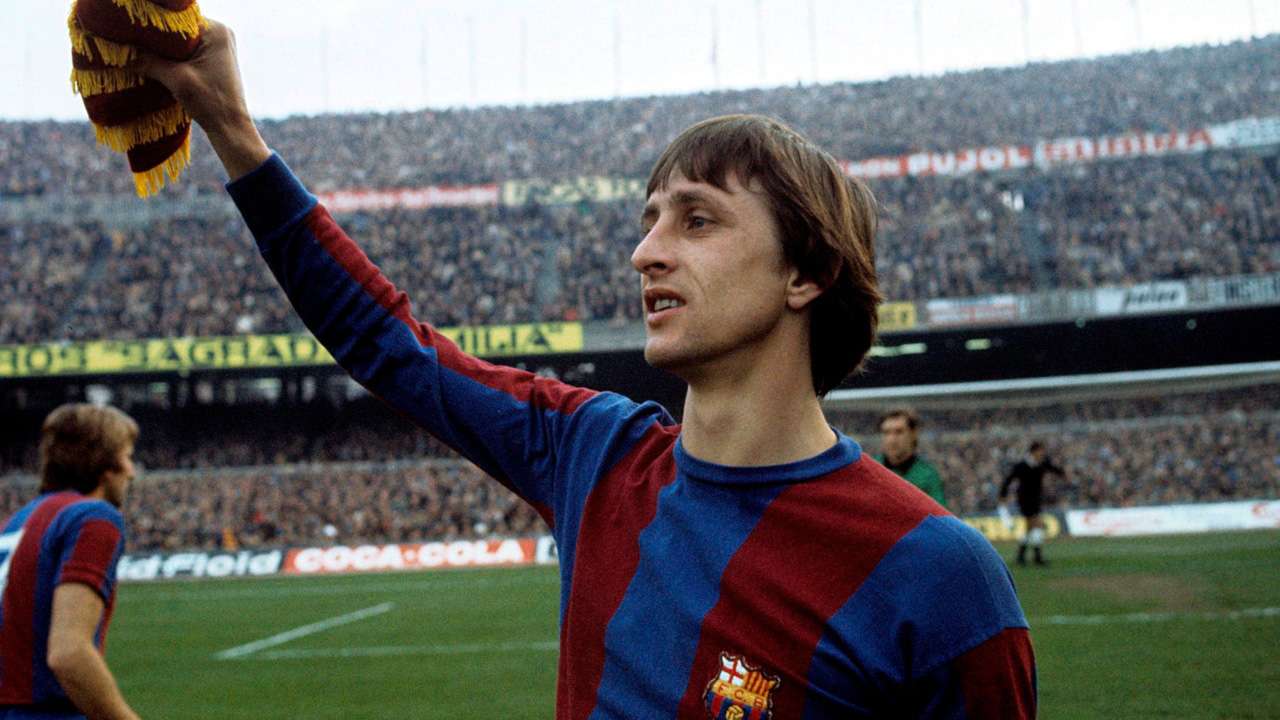
Luis Suárez Miramontes was a Spanish professional footballer and manager. He played as a midfielder for Deportivo de La Coruña, España Industrial, Barcelona, Inter Milan, Sampdoria; he also represented the Spain national team between 1957 and 1972. Widely regarded as one of the greatest Spanish football players of all time, Suárez was noted for his elegant and fluid style of play and also regarded to be one of the greatest midfielders in the history of the sport.
“A cultured interior who saw passing lanes early and dictated matches with elegant control.”
Michael Ballack is a German former professional footballer who is now a football agent. He was selected by Pelé as one of FIFA's 100 Greatest Living Players, and as the UEFA Club Midfielder of the Year in 2002. He won the German Footballer of the Year award three times – in 2002, 2003 and 2005.
“A tall, complete midfielder whose late runs and striking technique created decisive goals.”
Head-to-head stats
Career goals by season
Representative career seasons — goals per season for each player across their documented clubs.
Attribute radar
Attribute ratings are peak-era, 0–100. Different positions naturally skew the profile.
Attribute comparison
Trophy breakdown
- 2× European Cup (1964, 1965)
- 4× Bundesliga (1998–2006)
Trophy distribution
Career milestones
- 1956 Established himself at Deportivo
- 1960 Reached his defining peak
- 1964 Delivered a landmark season
- 1973 Retired from professional football
- 1994 Established himself at Bayer Leverkusen
- 1998 Reached his defining peak
- 2002 Delivered a landmark season
- 2012 Retired from professional football
The verdict
If forced to pick, Michael Ballack is the choice: a narrow margin, with remarkable longevity the deciding factor.
Michael Ballack edges it (a narrow margin)