
Diego Maradona vs Roberto Carlos: Stats Compared
Forward / Playmaker, Argentina (born 1960, retired 1997) · Left-Back, Brazil (born 1973, retired 2015)
Comparing Diego Maradona with Roberto Carlos means weighing two very different kinds of greatness. Trophies, more than goals, are how most supporters ultimately remember a career. Across his senior career Diego Maradona notched 293 goals in 582 appearances (0.50 per game), while Roberto Carlos recorded 113 in 875 (0.13 per game). Because assists were not systematically tracked for much of their time, that side of the comparison rests on the footage that survives. Trophy counts give Diego Maradona 6 and Roberto Carlos 9, with 1× FIFA World Cup (1986) and 3× UEFA Champions League (1998, 2000, 2002) the standout honours respectively. Diego Maradona built his medal haul through years of clinical consistency, while Roberto Carlos won his with uncompromising bursts of brilliance. Club journeys add another layer, with Diego Maradona reaching his representative peak around 1986 across Argentinos Juniors, Boca Juniors, Barcelona, Napoli, Sevilla, Newell's Old Boys and Roberto Carlos doing so around 2002 with Palmeiras, Inter Milan, Real Madrid, Fenerbahçe. The honest conclusion is that comparison enriches appreciation rather than crowns a single winner.
175 words · comparison angle: trophies
Player profiles
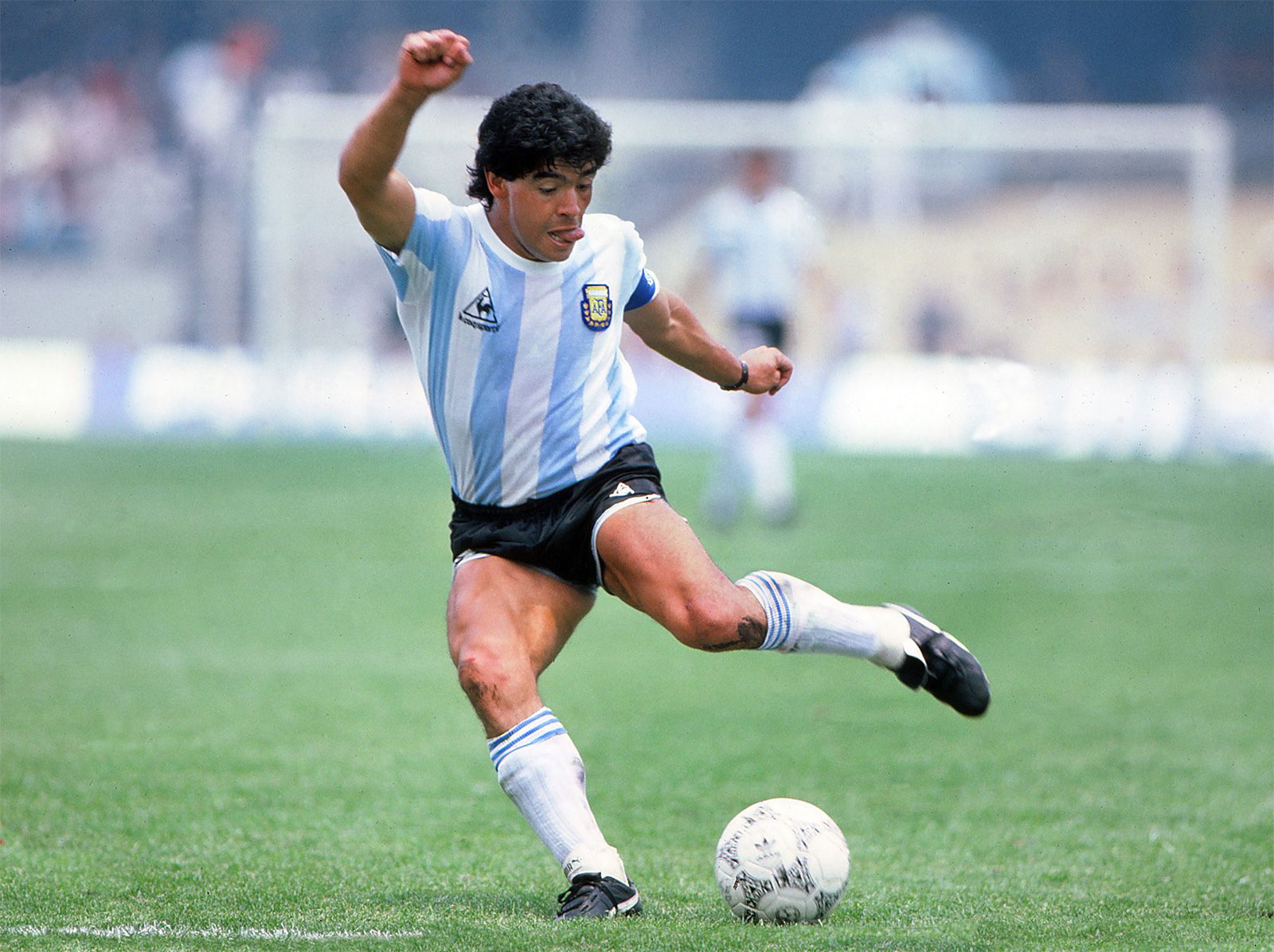
Argentine legend who almost single-handedly led Argentina to the 1986 World Cup and transformed Napoli into Italian and European contenders.
“A low-centre-of-gravity left-footed genius whose dribbling and playmaking carried teams single-handedly.”
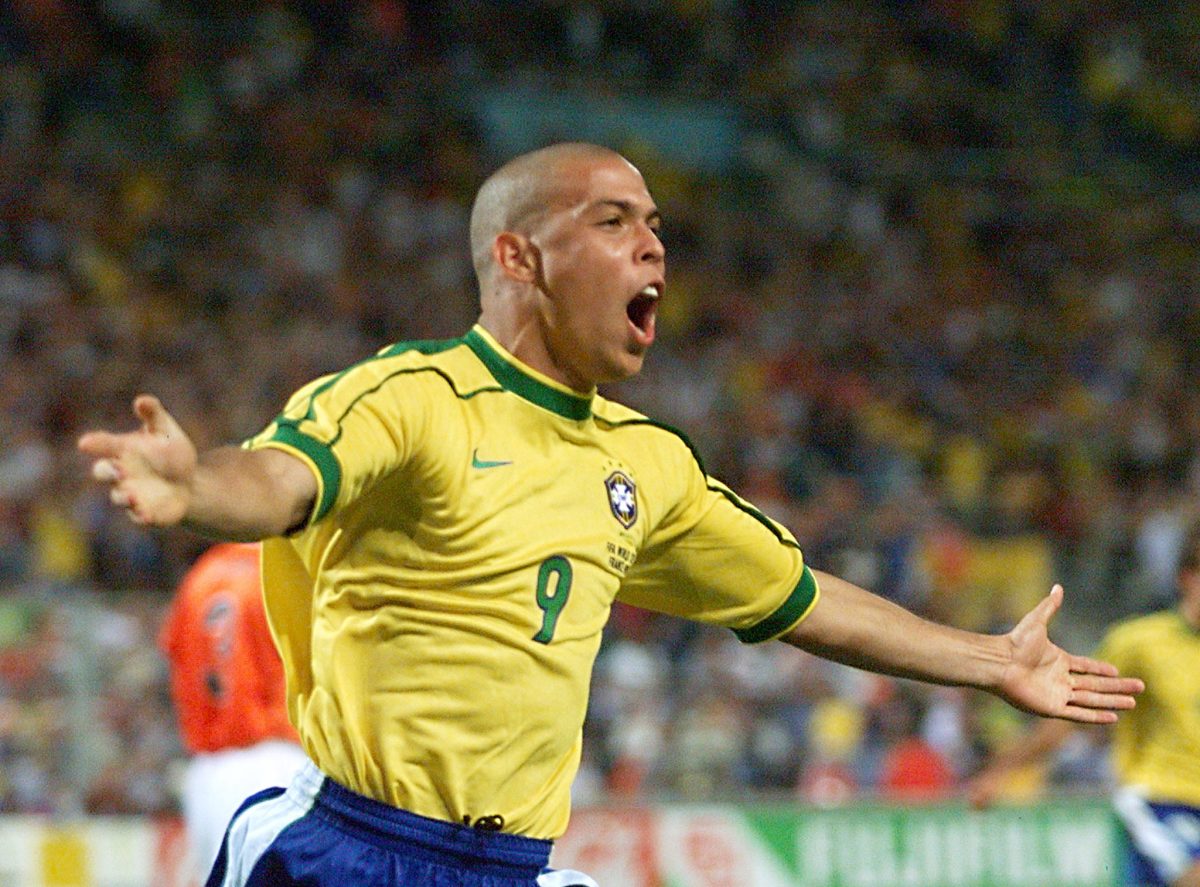
Roberto Carlos da Silva Rocha (born 10 April 1973), often known simply as Roberto Carlos, is a Brazilian former professional footballer. He has been described as one of the most attack-minded left-backs in football history and one of the greatest full-backs ever. He finished runner-up for the FIFA World Player of the Year in 1997 and for the Ballon d’Or in 2002.
“A rocket-footed full-back who combined recovery speed, overlapping runs and impossible free kicks.”
Head-to-head stats
Career goals by season
Representative career seasons — goals per season for each player across their documented clubs.
Attribute radar
Attribute ratings are peak-era, 0–100. Different positions naturally skew the profile.
Attribute comparison
Trophy breakdown
- 1× FIFA World Cup (1986)
- 1× UEFA Cup (1989)
- 2× Serie A (1987, 1990)
- 1× Copa Italia (1987)
- 1× Argentine Primera División (1981)
- 3× UEFA Champions League (1998, 2000, 2002)
Trophy distribution
Career milestones
- 1976 Argentinos Juniors debut ten days before his 16th birthday
- 1981 Joined Boca Juniors and won the Argentine league
- 1982 World-record transfer to Barcelona
- 1984 Signed for Napoli for another world-record fee
- 1987 Led Napoli to their first ever Serie A title
- 1990 Captained Argentina to a second consecutive World Cup final
- 1997 Played his final professional matches at Boca Juniors
- 1994 Established himself at Palmeiras
- 1998 Reached his defining peak
- 2002 Delivered a landmark season
- 2015 Retired from professional football
The verdict
Weighing production against honours, Roberto Carlos takes the verdict — a narrow margin, driven by a weightier trophy cabinet.
Roberto Carlos edges it (a narrow margin)