Bobby Moore vs Dunga: Stats Compared
Centre-Back, England (born 1941, retired 1978) · Defensive Midfielder, Brazil (born 1963, retired 1998)
Ask any fan to rank Bobby Moore above or below Dunga and you will get a passionate answer. Legacy is the only real measure that outlives the numbers, and both have staked towering claims. By the end Bobby Moore had 27 goals from 650 caps and club outings; Dunga had 60 from 687. Because assists were not systematically tracked for much of their time, that side of the comparison rests on the footage that survives. Bobby Moore departs the game with 3 major pieces of silverware, including 1× FIFA World Cup (1966); Dunga with 8, including 1× FIFA World Cup (1994). Their legacies diverge in texture: Bobby Moore is remembered as uncompromising, Dunga as silky. The wider career context matters too: Bobby Moore peaked around 1966 after representing West Ham United, Fulham, San Antonio Thunder, while Dunga's defining level came around 1994 across Vasco da Gama, Fiorentina, Stuttgart, Júbilo Iwata. Whichever side you land on, both belong in any conversation about the finest of their generation.
166 words · comparison angle: legacy
Player profiles
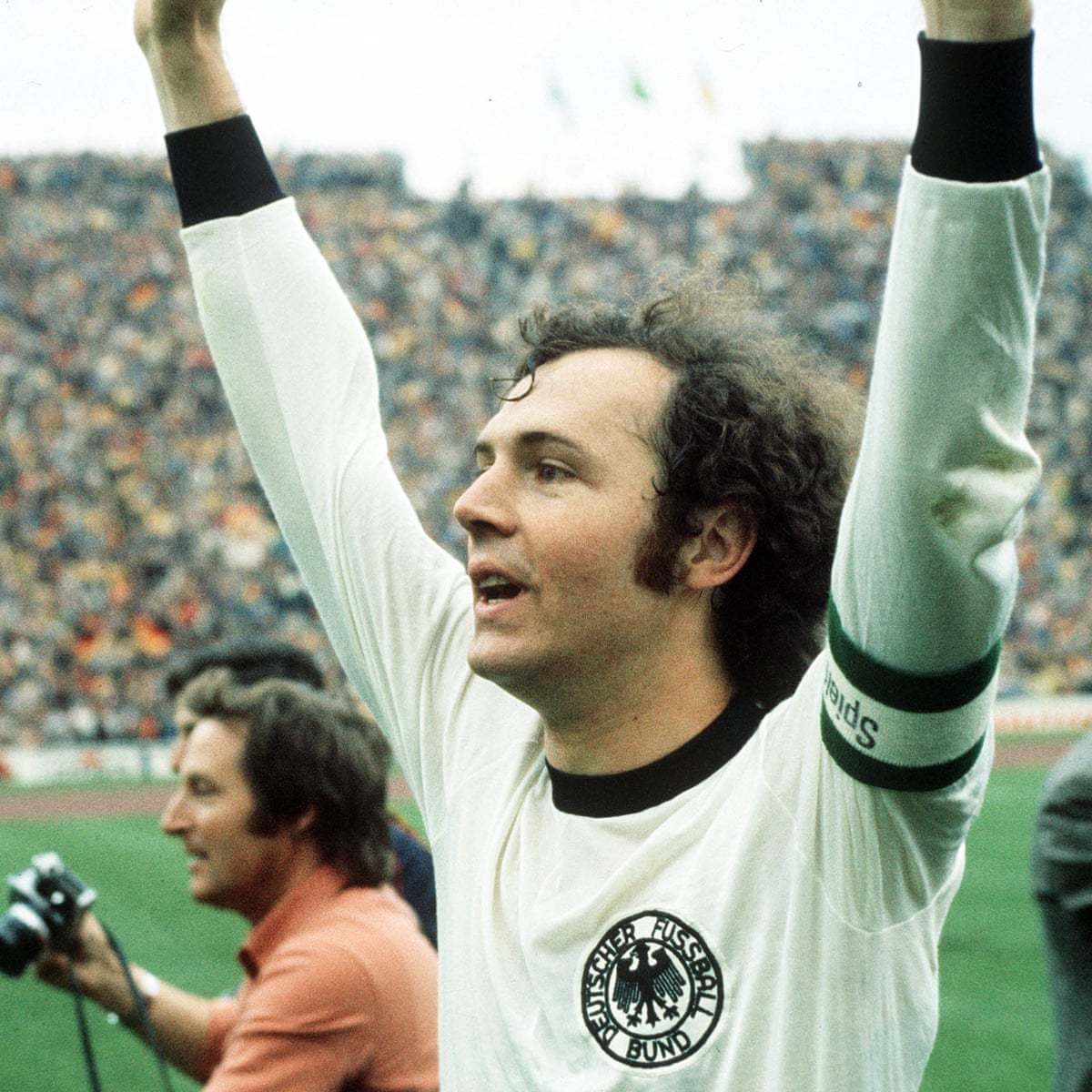
England's World Cup-winning captain in 1966 and widely regarded as one of the finest defenders in history, Moore was renowned for his flawless reading of the game and composure on the ball.
“A composed, immaculately positioned centre-back whose anticipation and tackling timing made pace almost irrelevant.”
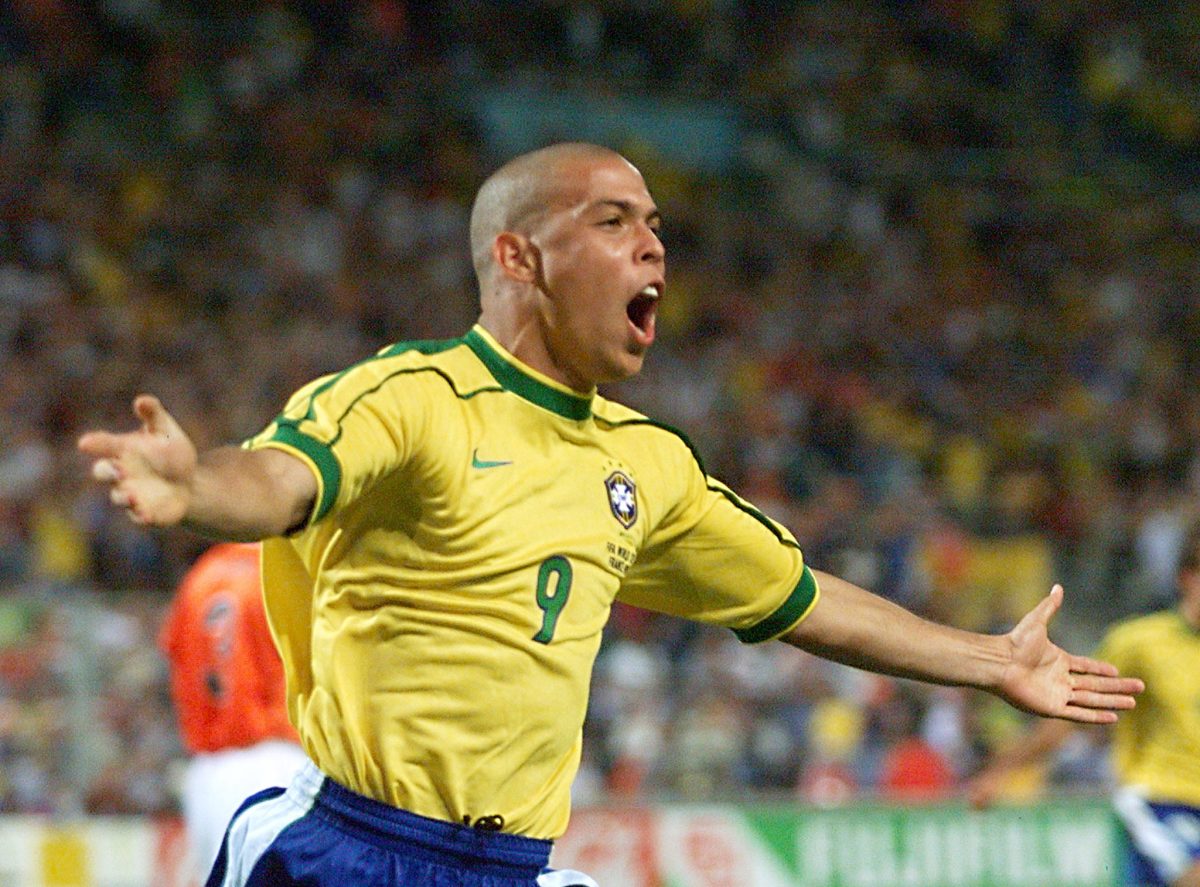
Carlos Caetano Bledorn Verri (born 31 October 1963), commonly known as Dunga, is a Brazilian football manager and former professional player. Considered one of the greatest defensive midfielders of all time, as a player, he was known for his technique, athleticism, passing range, solid tackles and first touch. Under the captaincy Dunga took from Raí, Brazil won the 1994 FIFA World Cup and became runners-up of the following edition.
“A disciplined captain whose tackling, structure and fierce standards gave Brazil balance.”
Head-to-head stats
Career goals by season
Representative career seasons — goals per season for each player across their documented clubs.
Attribute radar
Attribute ratings are peak-era, 0–100. Different positions naturally skew the profile.
Attribute comparison
Trophy breakdown
- 1× FIFA World Cup (1966)
- 1× FA Cup (1964)
- 1× UEFA Cup Winners' Cup (1965)
- 1× FIFA World Cup (1994)
Trophy distribution
Career milestones
- 1958 Professional debut for West Ham United
- 1966 Won FIFA World Cup with West Ham United
- 1965 Won UEFA Cup Winners' Cup with West Ham United
- 1966 Reached the peak of his powers at West Ham United
- 1978 Retired after a final spell at San Antonio Thunder
- Finished his career with 27 goals in 650 appearances and 3 major honours. Finished his career with 27 goals in 650 appearances and 3 major honours.
- 1986 Established himself at Vasco da Gama
- 1990 Reached his defining peak
- 1994 Delivered a landmark season
- 1998 Retired from professional football
The verdict
If forced to pick, Dunga is the choice: a decisive margin, with a weightier trophy cabinet the deciding factor.
Dunga edges it (a decisive margin)