Mesut Özil vs Elías Figueroa: Stats Compared
Attacking Midfielder, Germany (born 1988, retired 2023) · Centre-Back, Chile (born 1946, retired 1982)
Mesut Özil against Elías Figueroa is the kind of comparison that fuels pub arguments for hours. Separated by their years at the top, each defined the football of their own generation. The raw numbers read 114 goals in 645 outings for Mesut Özil (0.18/game), versus 40 in 600 for Elías Figueroa (0.07/game). Assists were never formally recorded across most of their eras, so the playmaking dimension has to be judged on reputation and highlights rather than hard totals. The honours ledger favours Mesut Özil with 8 major trophies (1× FIFA World Cup (2014)) against Elías Figueroa's 5 (2× Uruguayan Primera División (1967, 1968)). Across the modern era and the 1970s respectively, their intelligent and rugged styles captured the spirit of very different footballing times. Context beyond the headline totals is important: Mesut Özil's landmark level arrived around 2012 with a career spanning Schalke, Werder Bremen, Real Madrid, Arsenal, Fenerbahçe; Elías Figueroa's came around 1974 across Santiago Wanderers, Peñarol, Internacional, Palestino, Fort Lauderdale Strikers. The honest conclusion is that comparison enriches appreciation rather than crowns a single winner.
177 words · comparison angle: era
Player profiles
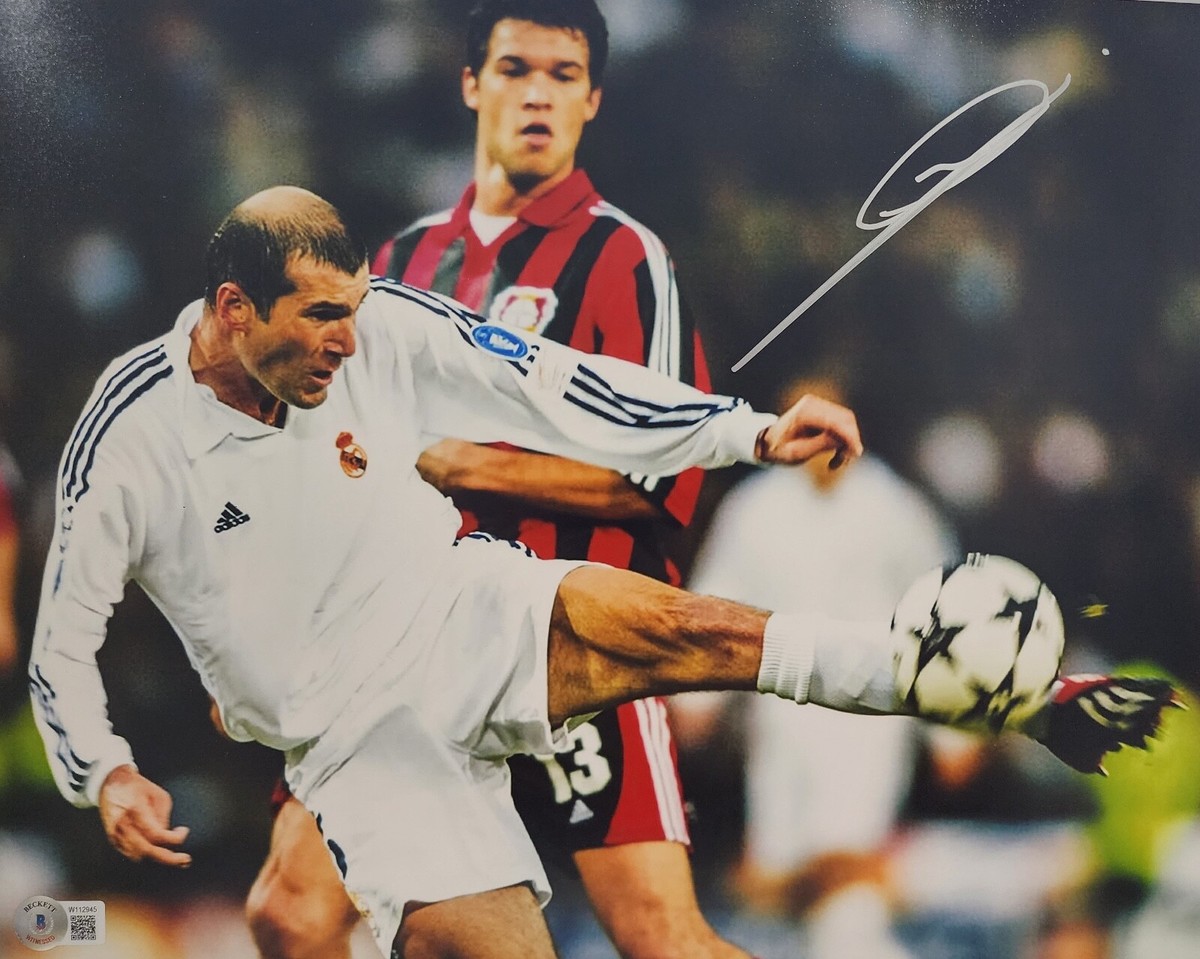
Mesut Özil is a German former professional footballer who played as an attacking midfielder. Known for his ball control, technical skills, creativity, passing skills, and vision, he is widely regarded as one of the best midfielders of his generation. Born and raised in Gelsenkirchen, Özil began his senior club career playing for hometown club Schalke 04, before signing with Werder Bremen in 2008, aged 19.
“A left-footed chance creator whose weight of pass and scanning made assists look effortless.”
A three-time South American Footballer of the Year, Figueroa is widely considered the finest defender the continent has produced, marshalling Internacional's dominant 1970s side.
“An imperious, elegant centre-back who combined aerial dominance with composed distribution well ahead of his era.”
Head-to-head stats
Career goals by season
Representative career seasons — goals per season for each player across their documented clubs.
Attribute radar
Attribute ratings are peak-era, 0–100. Different positions naturally skew the profile.
Attribute comparison
Trophy breakdown
- 1× FIFA World Cup (2014)
- 2× Uruguayan Primera División (1967, 1968)
- 3× Campeonato Gaúcho (1973, 1974, 1975)
Trophy distribution
Career milestones
- 2004 Established himself at Schalke
- 2008 Reached his defining peak
- 2012 Delivered a landmark season
- 2023 Retired from professional football
- 1965 Professional debut for Santiago Wanderers
- 1967 Won Uruguayan Primera División with Peñarol
- 1973 Won Campeonato Gaúcho with Internacional
- 1974 Reached the peak of his powers at Internacional
- 1982 Retired after a final spell at Fort Lauderdale Strikers
- Finished his career with 40 goals in 600 appearances and 5 major honours. Finished his career with 40 goals in 600 appearances and 5 major honours.
The verdict
If forced to pick, Mesut Özil is the choice: a decisive margin, with a sharper goalscoring record the deciding factor.
Mesut Özil edges it (a decisive margin)