Daniel Passarella vs Bixente Lizarazu: Stats Compared
Centre-Back, Argentina (born 1953, retired 1989) · Left-Back, France (born 1969, retired 2006)
Comparing Daniel Passarella with Bixente Lizarazu means weighing two very different kinds of greatness. Goals are the coldest, hardest metric in football, and both players stockedpile them. Daniel Passarella finishes with 175 career goals from 600 games — a 0.29 strike rate — against Bixente Lizarazu's 15 from 600 at 0.03 per match. Assists were not reliably tracked for much of their careers, which makes the playmaking comparison an imperfect one; where records exist, Daniel Passarella is credited with 0 and Bixente Lizarazu with 30. Daniel Passarella departs the game with 6 major pieces of silverware, including 1× FIFA World Cup (1978); Bixente Lizarazu with 7, including 1× FIFA World Cup (1998). Where Daniel Passarella was a commanding presence in the box, Bixente Lizarazu offered a anticipatory approach to goalscoring. The wider career context matters too: Daniel Passarella peaked around 1978 after representing River Plate, Fiorentina, Inter Milan, River Plate, while Bixente Lizarazu's defining level came around 2001 across Bordeaux, Athletic Bilbao, Bayern Munich, Marseille. Each, in his own way, set a standard the other is measured against.
178 words · comparison angle: goalscoring
Player profiles
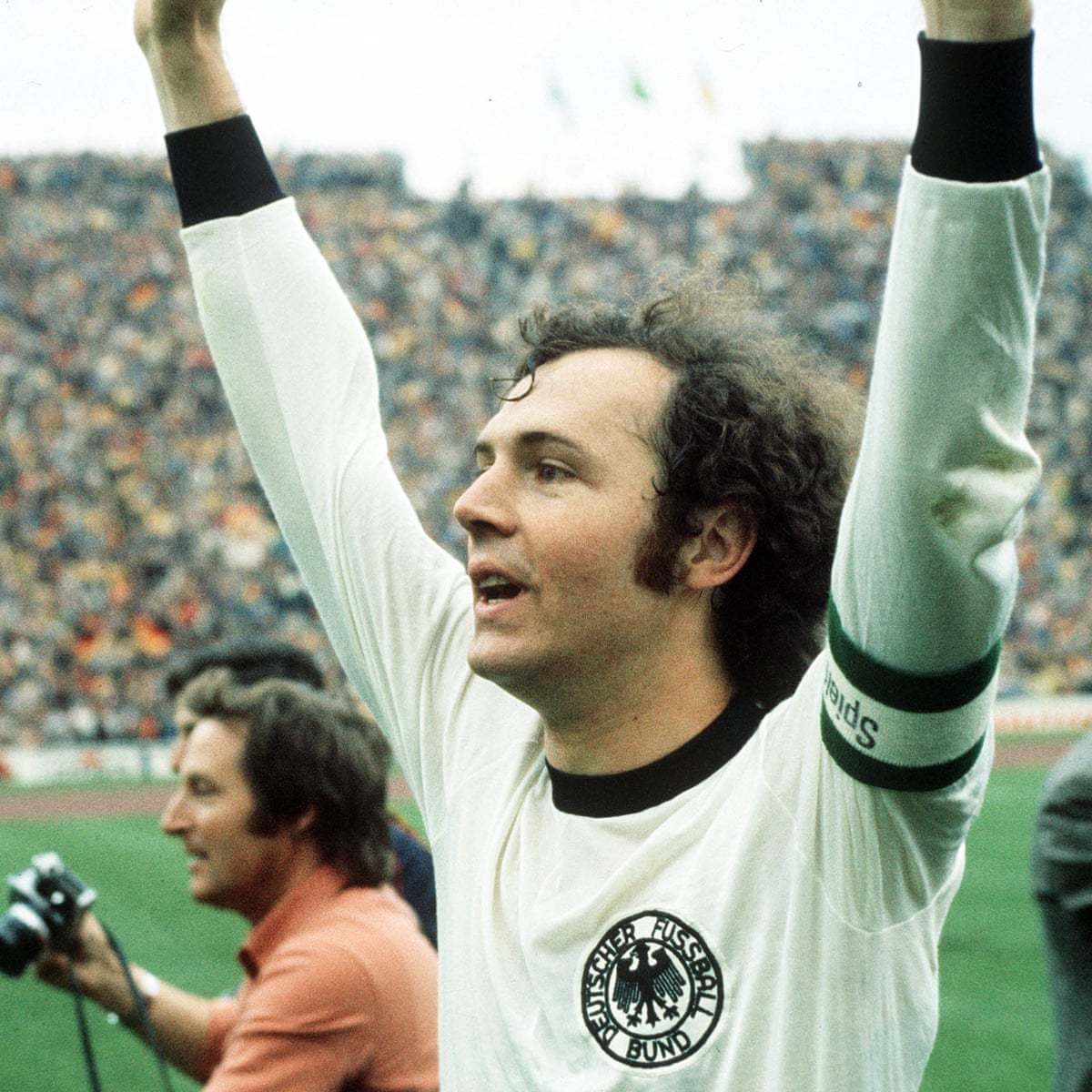
Argentina's World Cup-winning captain in 1978, Passarella was a rare goal-scoring sweeper renowned for thunderous free-kicks and fierce leadership.
“An aggressive, commanding sweeper who attacked set pieces and struck the ball with unusual power for a defender.”
A world judo champion off the pitch, Lizarazu was one of the finest left-backs of his generation, winning the World Cup, European Championship and Champions League with Bayern Munich.
“A compact, combative full-back whose low centre of gravity and stamina let him bomb up and down the flank all match.”
Head-to-head stats
Career goals by season
Representative career seasons — goals per season for each player across their documented clubs.
Attribute radar
Attribute ratings are peak-era, 0–100. Different positions naturally skew the profile.
Attribute comparison
Trophy breakdown
- 1× FIFA World Cup (1978)
- 5× Argentine Primera División (1975, 1977, 1979, 1980, 1981)
- 1× FIFA World Cup (1998)
- 1× UEFA European Championship (2000)
- 4× Bundesliga (1999, 2000, 2001, 2003)
- 1× UEFA Champions League (2001)
Trophy distribution
Career milestones
- 1974 Professional debut for River Plate
- 1978 Won FIFA World Cup with River Plate
- 1975 Won Argentine Primera División with River Plate
- 1978 Reached the peak of his powers at River Plate
- 1989 Retired after a final spell at River Plate
- Finished his career with 175 goals in 600 appearances and 6 major honours. Finished his career with 175 goals in 600 appearances and 6 major honours.
- 1988 Professional debut for Bordeaux
- 1998 Won FIFA World Cup with Bayern Munich
- 2001 Won UEFA Champions League with Bayern Munich
- 2001 Reached the peak of his powers at Bayern Munich
- 2006 Retired after a final spell at Marseille
- Finished his career with 15 goals in 600 appearances and 7 major honours. Finished his career with 15 goals in 600 appearances and 7 major honours.
The verdict
Reasonable people will disagree, but Daniel Passarella wins out by a narrow margin on the weight of a sharper goalscoring record.
Daniel Passarella edges it (a narrow margin)