Daniel Passarella vs Karl-Heinz Rummenigge: Stats Compared
Centre-Back, Argentina (born 1953, retired 1989) · Striker, Germany (born 1955, retired 1989)
Line up Daniel Passarella next to Karl-Heinz Rummenigge and the contrasts come quickly. Their jobs on the pitch were not the same, yet both redefined what their role could be. By the end Daniel Passarella had 175 goals from 600 caps and club outings; Karl-Heinz Rummenigge had 260 from 550. Reliable assist tallies simply do not exist for large stretches of their careers, leaving creativity to the eye rather than the spreadsheet. Daniel Passarella departs the game with 6 major pieces of silverware, including 1× FIFA World Cup (1978); Karl-Heinz Rummenigge with 5, including 2× Bundesliga (1980, 1981). As a centre-back Daniel Passarella bent the role to a commanding template; as a striker, Karl-Heinz Rummenigge redefined it with explosive authority. The wider career context matters too: Daniel Passarella peaked around 1978 after representing River Plate, Fiorentina, Inter Milan, River Plate, while Karl-Heinz Rummenigge's defining level came around 1980 across Borussia Lippstadt, Bayern Munich, Inter Milan, Servette. The honest conclusion is that comparison enriches appreciation rather than crowns a single winner.
170 words · comparison angle: role
Player profiles
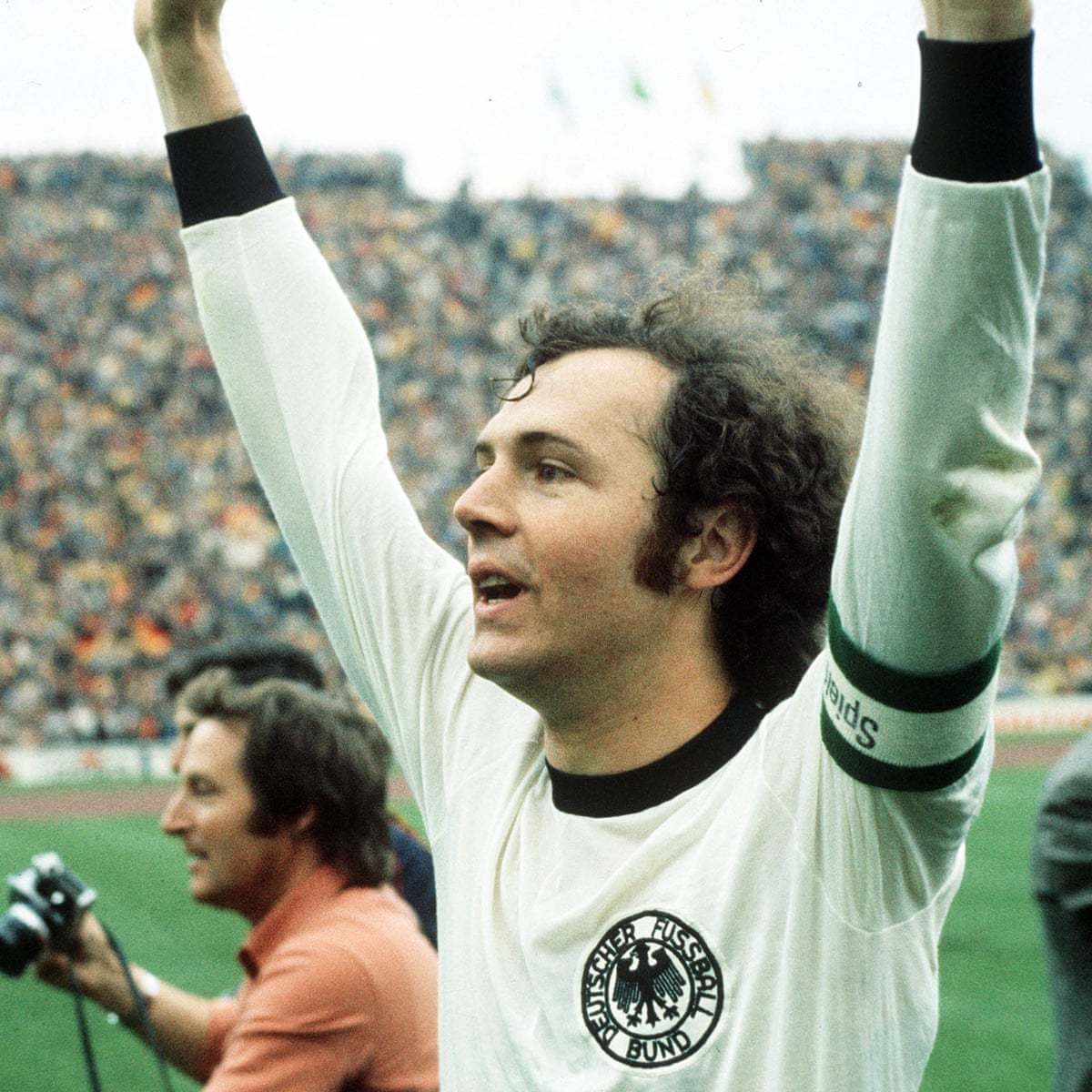
Argentina's World Cup-winning captain in 1978, Passarella was a rare goal-scoring sweeper renowned for thunderous free-kicks and fierce leadership.
“An aggressive, commanding sweeper who attacked set pieces and struck the ball with unusual power for a defender.”
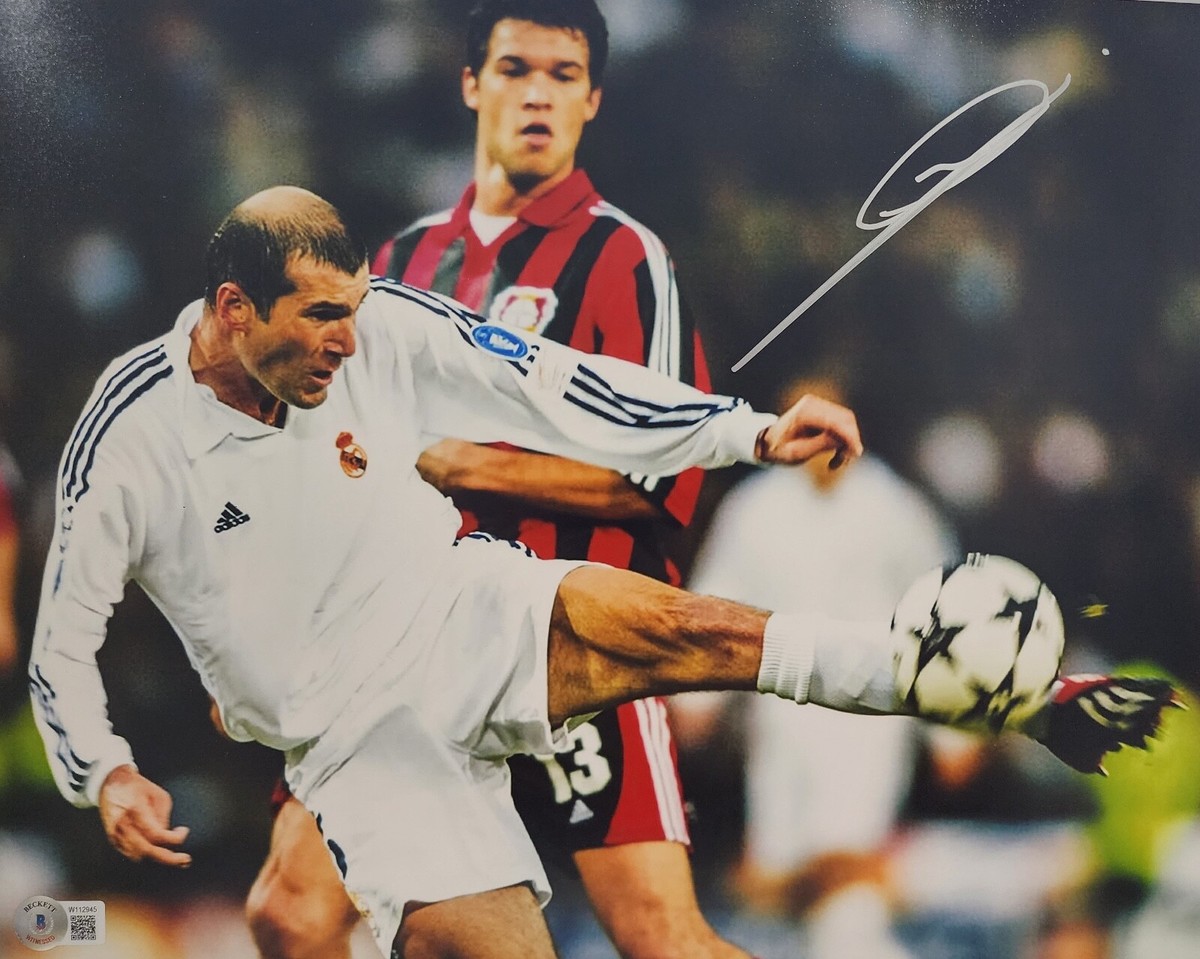
A two-time Ballon d'Or winner, Rummenigge was Bayern Munich's talismanic striker through their back-to-back European Cup triumphs of the mid-1970s.
“An explosively quick, clinical striker who combined blistering pace with an ice-cool finish in one-on-ones.”
Head-to-head stats
Career goals by season
Representative career seasons — goals per season for each player across their documented clubs.
Attribute radar
Attribute ratings are peak-era, 0–100. Different positions naturally skew the profile.
Attribute comparison
Trophy breakdown
- 1× FIFA World Cup (1978)
- 5× Argentine Primera División (1975, 1977, 1979, 1980, 1981)
- 2× Bundesliga (1980, 1981)
- 2× European Cup (1975, 1976)
- 1× DFB-Pokal (1982)
Trophy distribution
Career milestones
- 1974 Professional debut for River Plate
- 1978 Won FIFA World Cup with River Plate
- 1975 Won Argentine Primera División with River Plate
- 1978 Reached the peak of his powers at River Plate
- 1989 Retired after a final spell at River Plate
- Finished his career with 175 goals in 600 appearances and 6 major honours. Finished his career with 175 goals in 600 appearances and 6 major honours.
- 1971 Professional debut for Borussia Lippstadt
- 1980 Won Bundesliga with Bayern Munich
- 1982 Won DFB-Pokal with Bayern Munich
- 1980 Reached the peak of his powers at Bayern Munich
- 1989 Retired after a final spell at Servette
- Finished his career with 260 goals in 550 appearances and 5 major honours. Finished his career with 260 goals in 550 appearances and 5 major honours.
The verdict
If forced to pick, Daniel Passarella is the choice: a narrow margin, with consistency at the very highest level the deciding factor.
Daniel Passarella edges it (a narrow margin)