
Pelé vs Dunga: Stats Compared
Forward, Brazil (born 1940, retired 1977) · Defensive Midfielder, Brazil (born 1963, retired 1998)
Pelé against Dunga is the kind of comparison that fuels pub arguments for hours. It is in how they played, rather than what they won, that the comparison gets interesting. Career output puts Pelé at 757 goals in 812 games, with Dunga at 60 in 687. Reliable assist tallies simply do not exist for large stretches of their careers, leaving creativity to the eye rather than the spreadsheet. In major honours Pelé collected 14 — headlined by 3× FIFA World Cup (1958, 1962, 1970) — whereas Dunga amassed 8, led by 1× FIFA World Cup (1994). Stylistically Pelé was predatory where Dunga was creative — two vocabularies of the same sport. The wider career context matters too: Pelé peaked around 1970 after representing Santos, New York Cosmos, while Dunga's defining level came around 1994 across Vasco da Gama, Fiorentina, Stuttgart, Júbilo Iwata. The honest conclusion is that comparison enriches appreciation rather than crowns a single winner.
156 words · comparison angle: style
Player profiles
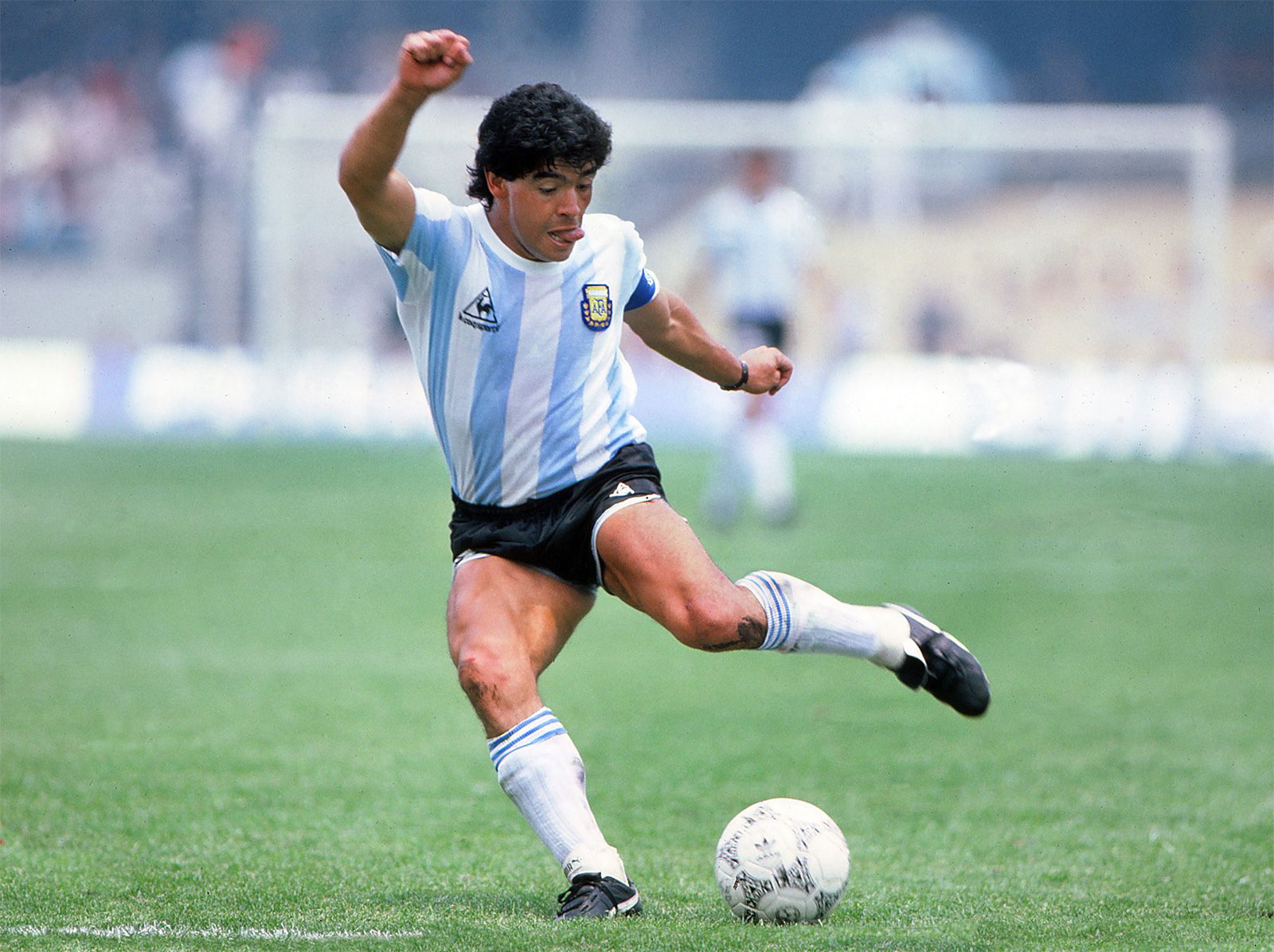
Widely regarded as the greatest footballer of all time, Pelé is the only player to win three FIFA World Cups. FIFA recognises 757 official senior career goals (1,281 including friendlies).
“A two-footed, athletic forward who combined explosive pace, aerial ability and extraordinary vision.”
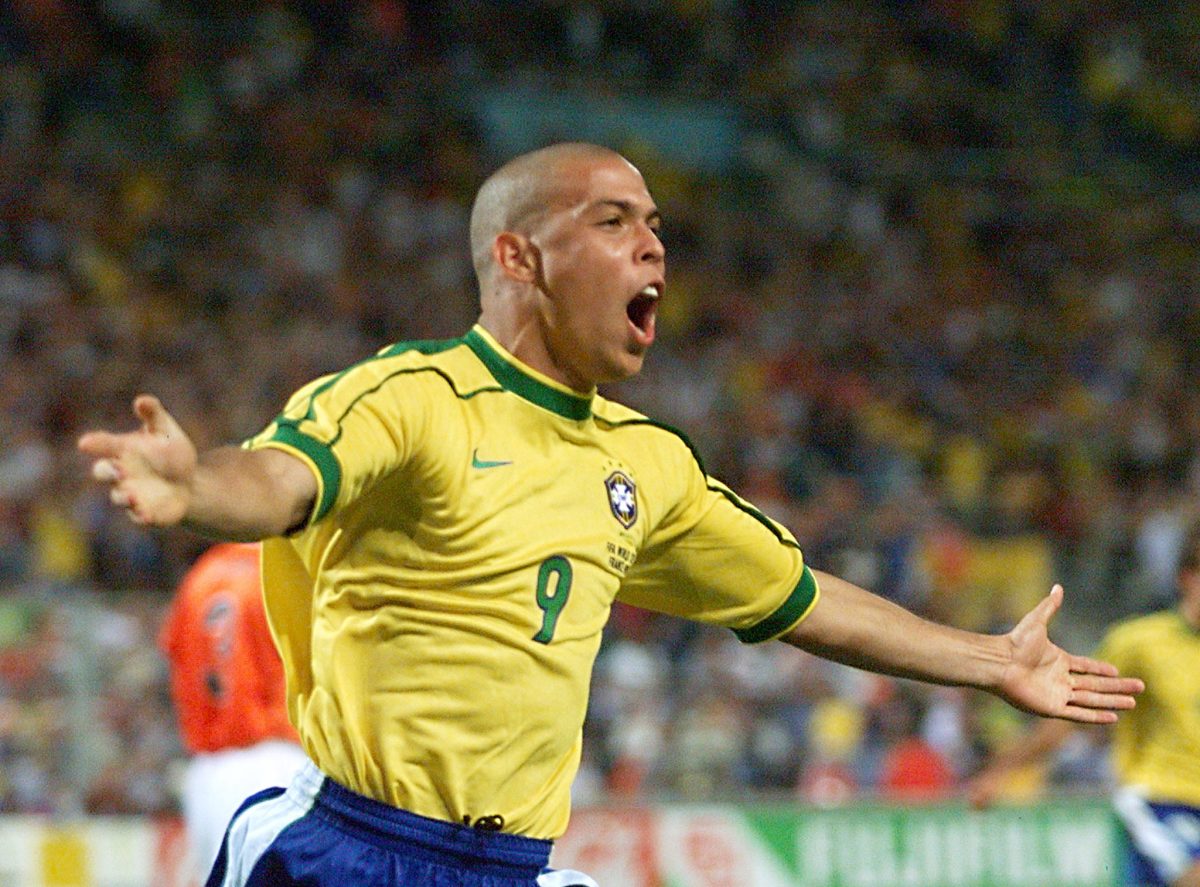
Carlos Caetano Bledorn Verri (born 31 October 1963), commonly known as Dunga, is a Brazilian football manager and former professional player. Considered one of the greatest defensive midfielders of all time, as a player, he was known for his technique, athleticism, passing range, solid tackles and first touch. Under the captaincy Dunga took from Raí, Brazil won the 1994 FIFA World Cup and became runners-up of the following edition.
“A disciplined captain whose tackling, structure and fierce standards gave Brazil balance.”
Head-to-head stats
Career goals by season
Representative career seasons — goals per season for each player across their documented clubs.
Attribute radar
Attribute ratings are peak-era, 0–100. Different positions naturally skew the profile.
Attribute comparison
Trophy breakdown
- 3× FIFA World Cup (1958, 1962, 1970)
- 2× Copa Libertadores (1962, 1963)
- 2× Intercontinental Cup (1962, 1963)
- 6× Campeonato Brasileiro Série A
- 1× NASL Soccer Bowl (1977)
- 1× FIFA World Cup (1994)
Trophy distribution
Career milestones
- 1956 Professional debut for Santos aged 15
- 1958 Became youngest World Cup goalscorer at 17
- 1959 Top scorer in the Campeonato Brasileiro
- 1962 Won second World Cup despite injury in the final
- 1969 Scored his 1,000th career goal
- 1975 Came out of semi-retirement to join New York Cosmos
- 1977 Honoured at Pelé Day halftime show at Giants Stadium
- 1986 Established himself at Vasco da Gama
- 1990 Reached his defining peak
- 1994 Delivered a landmark season
- 1998 Retired from professional football
The verdict
Weighing production against honours, Pelé takes the verdict — a decisive margin, driven by a sharper goalscoring record.
Pelé edges it (a decisive margin)