
Pelé vs Jorge Campos: Stats Compared
Forward, Brazil (born 1940, retired 1977) · Goalkeeper, Mexico (born 1966, retired 2004)
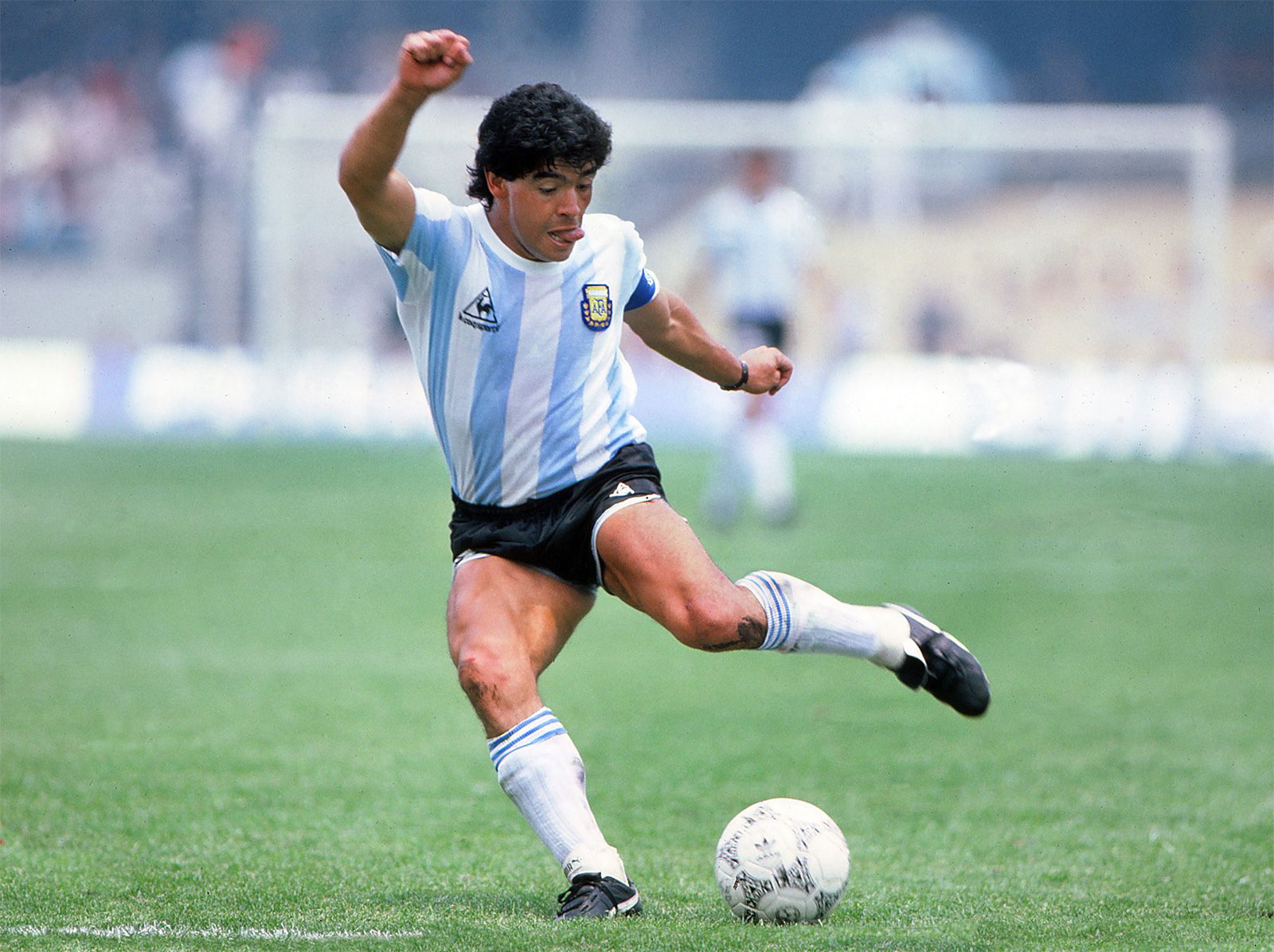
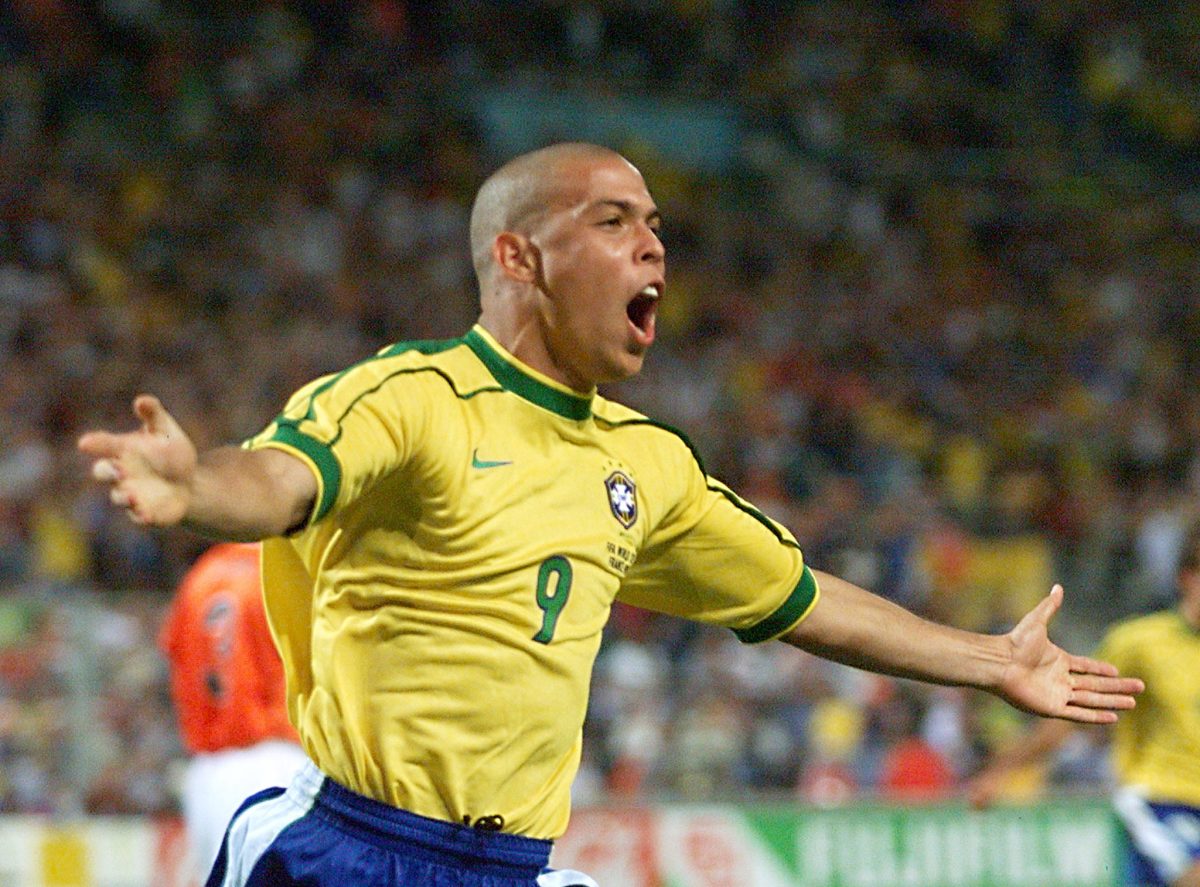
Ask any fan to rank Pelé above or below Jorge Campos and you will get a passionate answer. Strip away the highlights and the medal count tells its own story for each man. Pelé finishes with 757 career goals from 812 games — a 0.93 strike rate — against Jorge Campos's 40 from 686 at 0.06 per match. Assists were never formally recorded across most of their eras, so the playmaking dimension has to be judged on reputation and highlights rather than hard totals. Trophy counts give Pelé 14 and Jorge Campos 8, with 3× FIFA World Cup (1958, 1962, 1970) and 1× Mexican Primera División the standout honours respectively. Pelé built his medal haul through years of predatory consistency, while Jorge Campos won his with commanding bursts of brilliance. Club journeys add another layer, with Pelé reaching his representative peak around 1970 across Santos, New York Cosmos and Jorge Campos doing so around 1991 with Pumas UNAM, Atlante, Cruz Azul. Picking between them says as much about the picker as the players.
173 words · comparison angle: trophies
Player profiles
Widely regarded as the greatest footballer of all time, Pelé is the only player to win three FIFA World Cups. FIFA recognises 757 official senior career goals (1,281 including friendlies).
“A two-footed, athletic forward who combined explosive pace, aerial ability and extraordinary vision.”
Jorge Campos Navarrete (born 15 October 1966) is a Mexican professional football coach and player who plays as a goalkeeper for Tercera Federación – Group 7 club México FC. A notable player of Mexico in the 1990s and early 2000s, Campos was an eccentric player, known for his constant play outside the penalty area – often functioning as a sweeper-keeper, as well as his acrobatic, risky, and flamboyant style of goalkeeping, and his colourful playing attire. His main strengths as a goalkeeper were his leaping ability, athleticism, and speed when rushing off his line, as well as his ability to organize his defense, which enabled him to overcome his short stature.
“A fearless, undersized goalkeeper who compensated with spring, bravery and unusual footwork.”
Head-to-head stats
Career goals by season
Representative career seasons — goals per season for each player across their documented clubs.
Attribute radar
Attribute ratings are peak-era, 0–100. Different positions naturally skew the profile.
Attribute comparison
Trophy breakdown
- 3× FIFA World Cup (1958, 1962, 1970)
- 2× Copa Libertadores (1962, 1963)
- 2× Intercontinental Cup (1962, 1963)
- 6× Campeonato Brasileiro Série A
- 1× NASL Soccer Bowl (1977)
- 1× Mexican Primera División
Trophy distribution
Career milestones
- 1956 Professional debut for Santos aged 15
- 1958 Became youngest World Cup goalscorer at 17
- 1959 Top scorer in the Campeonato Brasileiro
- 1962 Won second World Cup despite injury in the final
- 1969 Scored his 1,000th career goal
- 1975 Came out of semi-retirement to join New York Cosmos
- 1977 Honoured at Pelé Day halftime show at Giants Stadium
- 1983 Established himself at Pumas UNAM
- 1987 Reached his defining peak
- 1991 Delivered a landmark season
- 2004 Retired from professional football
The verdict
Weighing production against honours, Pelé takes the verdict — a decisive margin, driven by a sharper goalscoring record.
Pelé edges it (a decisive margin)