Pelé vs Nwankwo Kanu: Stats Compared
Forward, Brazil (born 1940, retired 1977) · Striker, Nigeria (born 1976, retired 2012)
Pelé versus Nwankwo Kanu is a clash of two unmistakable footballing identities. Legacy is the only real measure that outlives the numbers, and both have staked towering claims. The raw numbers read 757 goals in 812 outings for Pelé (0.93/game), versus 130 in 550 for Nwankwo Kanu (0.24/game). Assists were not reliably tracked for much of their careers, which makes the playmaking comparison an imperfect one; where records exist, Pelé is credited with 0 and Nwankwo Kanu with 55. Trophy counts give Pelé 14 and Nwankwo Kanu 6, with 3× FIFA World Cup (1958, 1962, 1970) and 1× UEFA Champions League (1995) the standout honours respectively. History will file Pelé under explosive greatness and Nwankwo Kanu under clinical greatness — different shelves, same temple. The wider career context matters too: Pelé peaked around 1970 after representing Santos, New York Cosmos, while Nwankwo Kanu's defining level came around 1999 across Iwuanyanwu Nationale, Ajax, Inter Milan, Arsenal, West Bromwich Albion, Portsmouth. Arguments will run and run, which is exactly why the matchup endures.
171 words · comparison angle: legacy
Player profiles
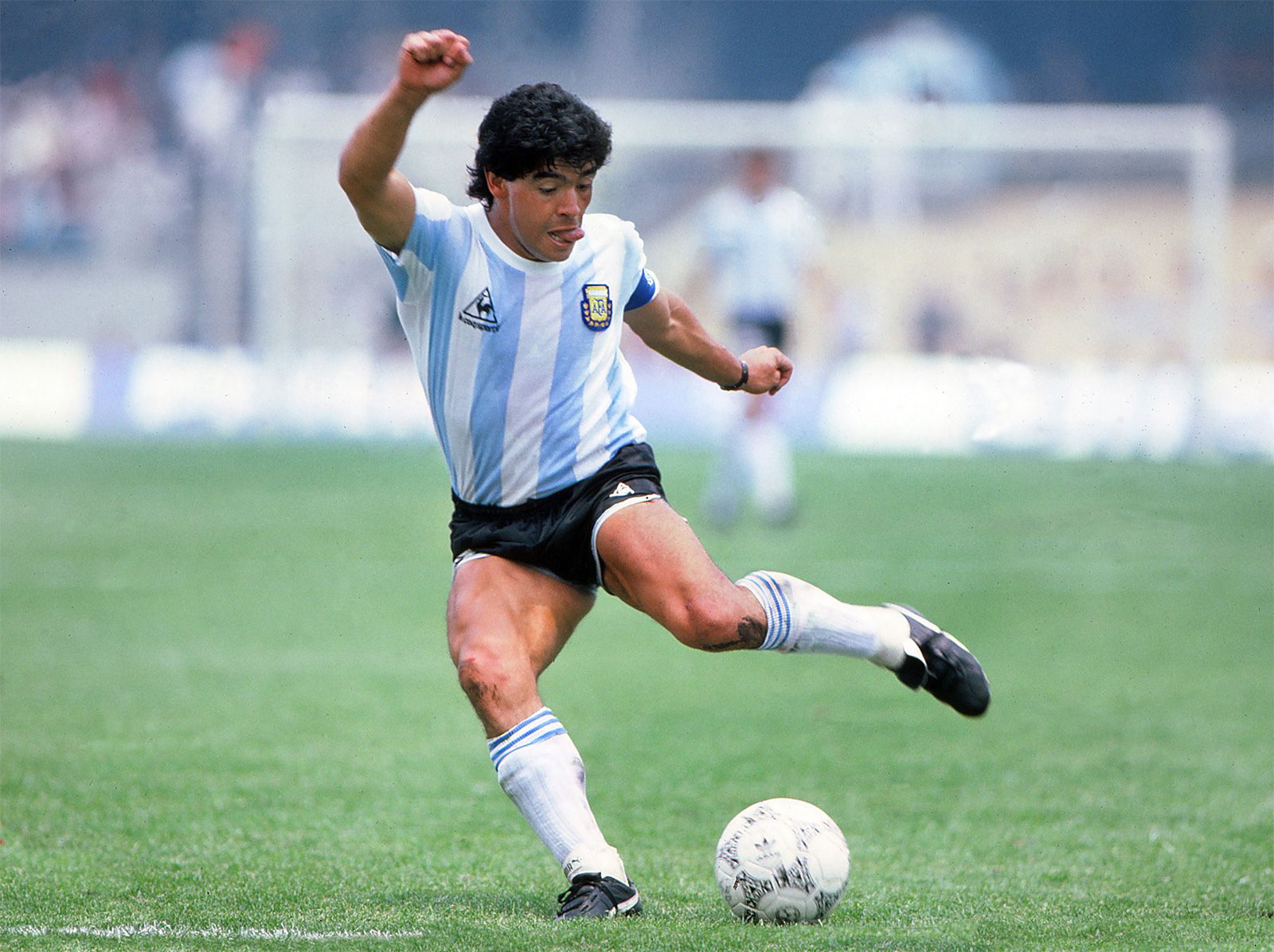
Widely regarded as the greatest footballer of all time, Pelé is the only player to win three FIFA World Cups. FIFA recognises 757 official senior career goals (1,281 including friendlies).
“A two-footed, athletic forward who combined explosive pace, aerial ability and extraordinary vision.”
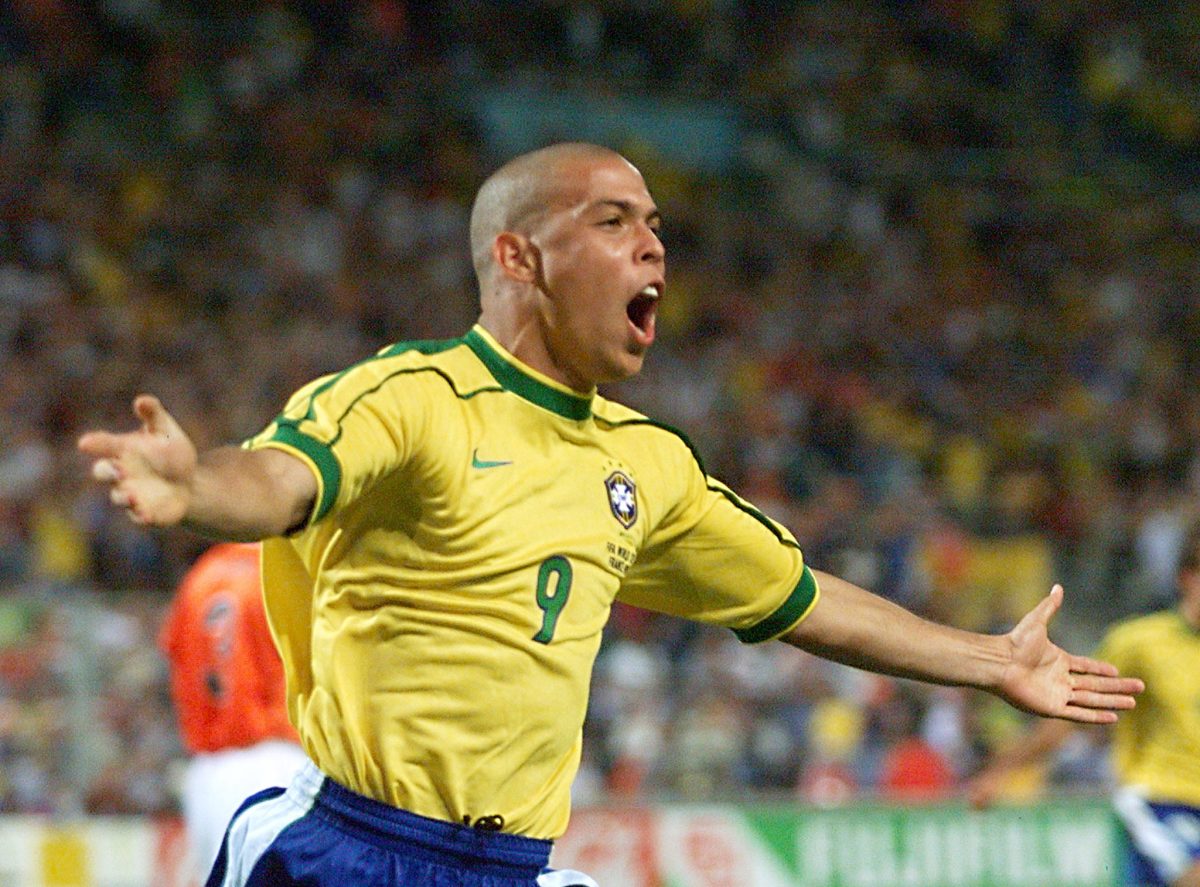
A gangly, silky Nigerian forward who won the Champions League with Ajax and Olympic gold before starring in Arsenal's 'Invincibles' era, all while overcoming a serious heart condition.
“A tall, unusually elegant forward whose close control and vision belied his height, often dropping deep to create for others.”
Head-to-head stats
Career goals by season
Representative career seasons — goals per season for each player across their documented clubs.
Attribute radar
Attribute ratings are peak-era, 0–100. Different positions naturally skew the profile.
Attribute comparison
Trophy breakdown
- 3× FIFA World Cup (1958, 1962, 1970)
- 2× Copa Libertadores (1962, 1963)
- 2× Intercontinental Cup (1962, 1963)
- 6× Campeonato Brasileiro Série A
- 1× NASL Soccer Bowl (1977)
- 1× UEFA Champions League (1995)
- 2× Premier League (2002, 2004)
- 2× FA Cup (2003, 2008)
- 1× Olympic Gold Medal (1996)
Trophy distribution
Career milestones
- 1956 Professional debut for Santos aged 15
- 1958 Became youngest World Cup goalscorer at 17
- 1959 Top scorer in the Campeonato Brasileiro
- 1962 Won second World Cup despite injury in the final
- 1969 Scored his 1,000th career goal
- 1975 Came out of semi-retirement to join New York Cosmos
- 1977 Honoured at Pelé Day halftime show at Giants Stadium
- 1992 Professional debut for Iwuanyanwu Nationale
- 1995 Won UEFA Champions League with Ajax
- 1996 Won Olympic Gold Medal with Ajax
- 1999 Reached the peak of his powers at Inter Milan
- 2012 Retired after a final spell at Portsmouth
- Finished his career with 130 goals in 550 appearances and 6 major honours. Finished his career with 130 goals in 550 appearances and 6 major honours.
The verdict
Reasonable people will disagree, but Pelé wins out by a decisive margin on the weight of a sharper goalscoring record.
Pelé edges it (a decisive margin)