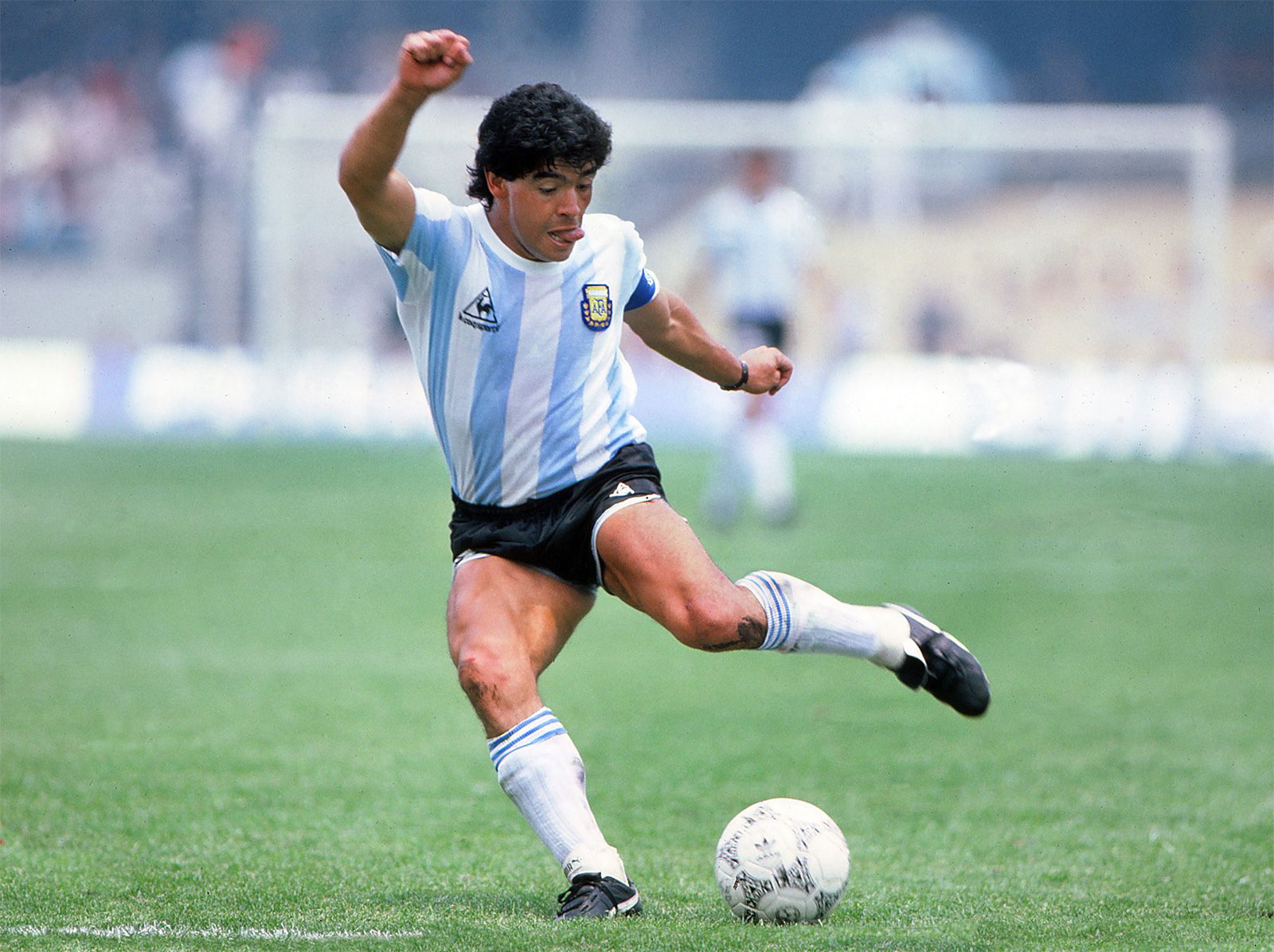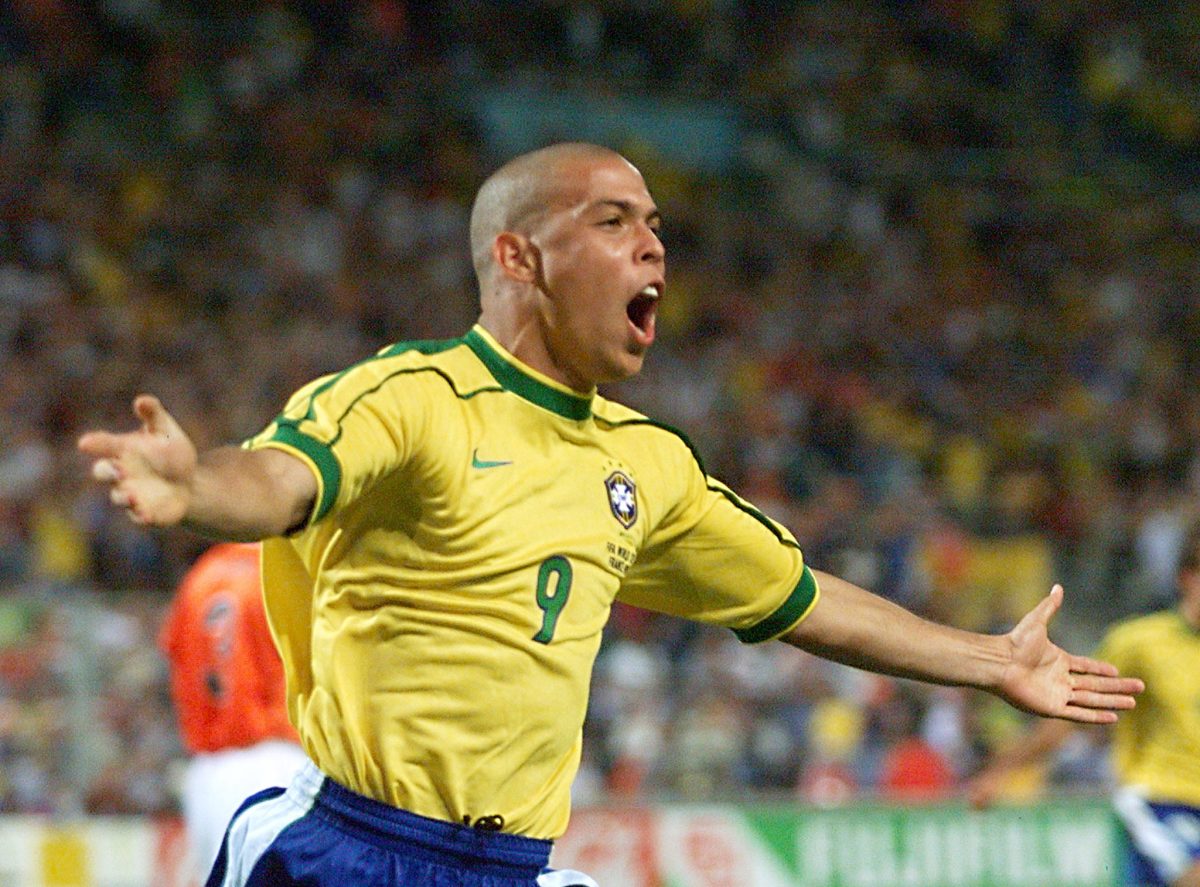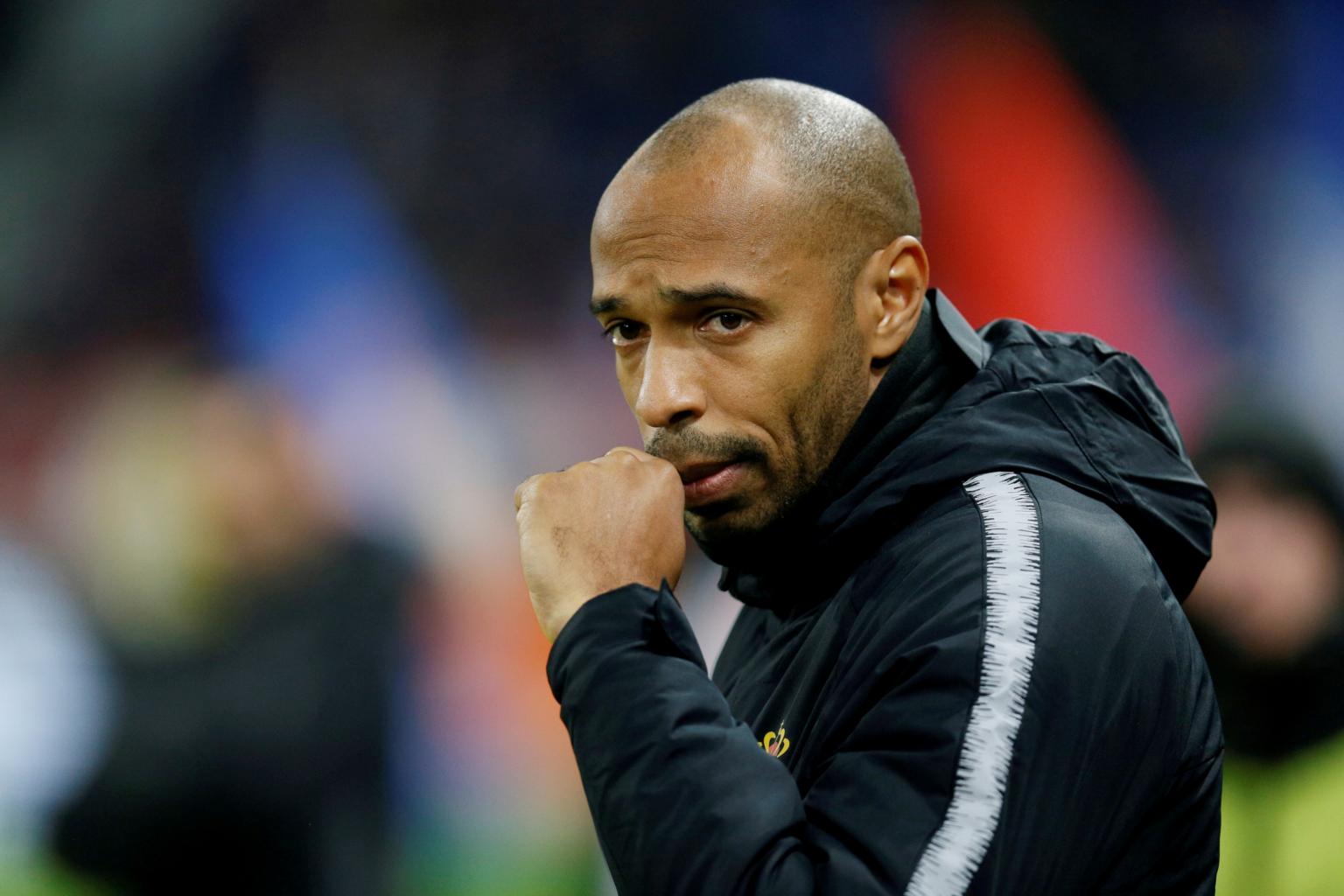

Pelé vs Luis Enrique: Stats Compared
Forward, Brazil (born 1940, retired 1977) · Attacking Midfielder, Spain (born 1970, retired 2004)
Ask any fan to rank Pelé above or below Luis Enrique and you will get a passionate answer. Style separates them as much as statistics: two players, two unmistakable signatures. On production alone, Pelé posted 757 goals across 812 appearances while Luis Enrique managed 158 across 556. Because assists were not systematically tracked for much of their time, that side of the comparison rests on the footage that survives. The honours ledger favours Pelé with 14 major trophies (3× FIFA World Cup (1958, 1962, 1970)) against Luis Enrique's 8 (2× La Liga (1995, 1999)). Stylistically Pelé was clinical where Luis Enrique was orchestrating — two vocabularies of the same sport. The wider career context matters too: Pelé peaked around 1970 after representing Santos, New York Cosmos, while Luis Enrique's defining level came around 1999 across Sporting Gijón, Real Madrid, Barcelona. Picking between them says as much about the picker as the players.
152 words · comparison angle: style
Player profiles
Widely regarded as the greatest footballer of all time, Pelé is the only player to win three FIFA World Cups. FIFA recognises 757 official senior career goals (1,281 including friendlies).
“A two-footed, athletic forward who combined explosive pace, aerial ability and extraordinary vision.”
Luis Enrique Martínez García is a Spanish football manager and former player who is currently the head coach of Ligue 1 club Paris Saint-Germain. A versatile player with good technique, he was capable of playing in several positions but was usually deployed as a midfielder or forward, and was also noted for his temperament and stamina. Starting in 1991 and ending in 2004, he began his career at Sporting de Gijón and later represented both Real Madrid and Barcelona with both individual and team success, taking part in 558 official games and scoring 144 goals.
“A versatile, hard-running midfielder who arrived late and contributed everywhere.”
Head-to-head stats
Career goals by season
Representative career seasons — goals per season for each player across their documented clubs.
Attribute radar
Attribute ratings are peak-era, 0–100. Different positions naturally skew the profile.
Attribute comparison
Trophy breakdown
- 3× FIFA World Cup (1958, 1962, 1970)
- 2× Copa Libertadores (1962, 1963)
- 2× Intercontinental Cup (1962, 1963)
- 6× Campeonato Brasileiro Série A
- 1× NASL Soccer Bowl (1977)
- 2× La Liga (1995, 1999)
Trophy distribution
Career milestones
- 1956 Professional debut for Santos aged 15
- 1958 Became youngest World Cup goalscorer at 17
- 1959 Top scorer in the Campeonato Brasileiro
- 1962 Won second World Cup despite injury in the final
- 1969 Scored his 1,000th career goal
- 1975 Came out of semi-retirement to join New York Cosmos
- 1977 Honoured at Pelé Day halftime show at Giants Stadium
- 1991 Established himself at Sporting Gijón
- 1995 Reached his defining peak
- 1999 Delivered a landmark season
- 2004 Retired from professional football
The verdict
On balance Pelé edges the comparison. The margin is a decisive margin, decided mostly by a sharper goalscoring record.
Pelé edges it (a decisive margin)