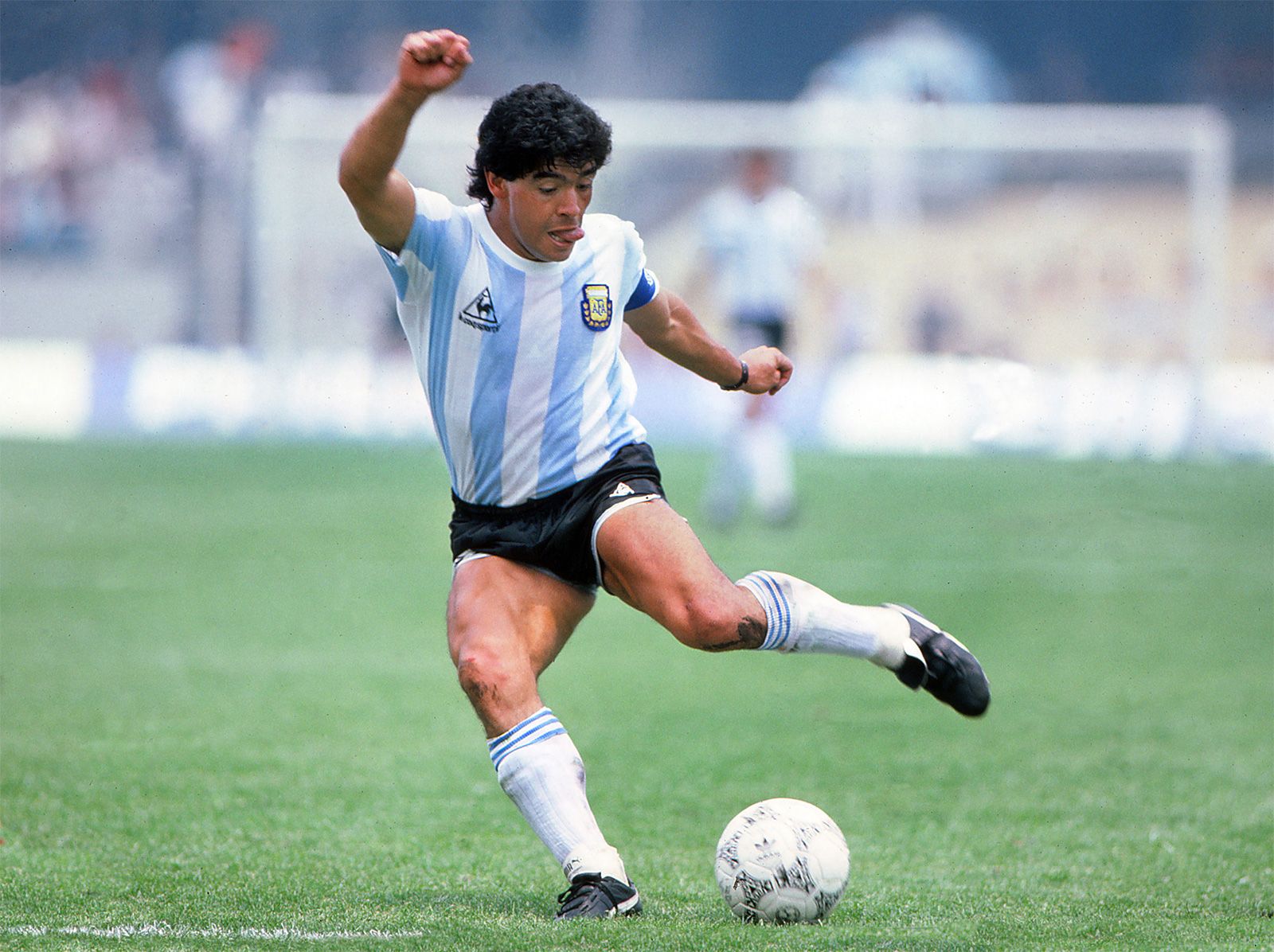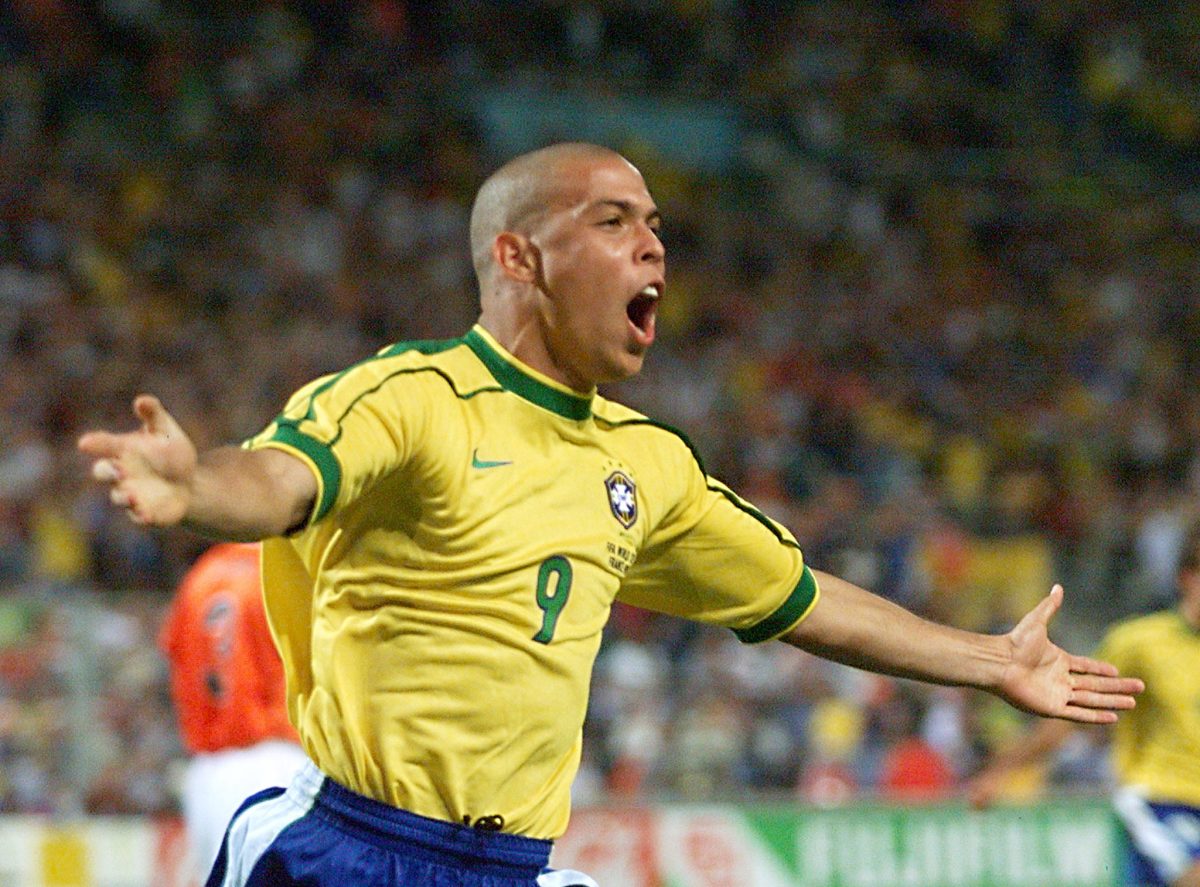
Pelé vs Hidetoshi Nakata: Stats Compared
Forward, Brazil (born 1940, retired 1977) · Attacking Midfielder, Japan (born 1977, retired 2006)
Put Pelé and Hidetoshi Nakata side by side and you have a genuine generational conversation. Where pure finishing is concerned, this is a shootout between two of the most feared marksmen of their time. The raw numbers read 757 goals in 812 outings for Pelé (0.93/game), versus 60 in 400 for Hidetoshi Nakata (0.15/game). Modern assist data only covers part of their careers, so creativity is hard to compare cleanly — Pelé is listed at 0 and Hidetoshi Nakata at 60 where figures survive. Trophy counts give Pelé 14 and Hidetoshi Nakata 1, with 3× FIFA World Cup (1958, 1962, 1970) and 1× Serie A (2001) the standout honours respectively. Pelé scored with a mercurial that defined his era, while Hidetoshi Nakata's finishing carried a intelligent all of its own. Context beyond the headline totals is important: Pelé's landmark level arrived around 1970 with a career spanning Santos, New York Cosmos; Hidetoshi Nakata's came around 2001 across Bellmare Hiratsuka, Perugia, Roma, Parma, Bologna, Fiorentina, Bolton Wanderers. Arguments will run and run, which is exactly why the matchup endures.
178 words · comparison angle: goalscoring
Player profiles
Widely regarded as the greatest footballer of all time, Pelé is the only player to win three FIFA World Cups. FIFA recognises 757 official senior career goals (1,281 including friendlies).
“A two-footed, athletic forward who combined explosive pace, aerial ability and extraordinary vision.”
The first Japanese footballer to become a global superstar, Nakata's move to Serie A in 1998 opened the door for a generation of Japanese players in Europe.
“A composed, technically excellent attacking midfielder blessed with an outstanding range of passing and shooting from distance.”
Head-to-head stats
Career goals by season
Representative career seasons — goals per season for each player across their documented clubs.
Attribute radar
Attribute ratings are peak-era, 0–100. Different positions naturally skew the profile.
Attribute comparison
Trophy breakdown
- 3× FIFA World Cup (1958, 1962, 1970)
- 2× Copa Libertadores (1962, 1963)
- 2× Intercontinental Cup (1962, 1963)
- 6× Campeonato Brasileiro Série A
- 1× NASL Soccer Bowl (1977)
- 1× Serie A (2001)
Trophy distribution
Career milestones
- 1956 Professional debut for Santos aged 15
- 1958 Became youngest World Cup goalscorer at 17
- 1959 Top scorer in the Campeonato Brasileiro
- 1962 Won second World Cup despite injury in the final
- 1969 Scored his 1,000th career goal
- 1975 Came out of semi-retirement to join New York Cosmos
- 1977 Honoured at Pelé Day halftime show at Giants Stadium
- 1995 Professional debut for Bellmare Hiratsuka
- 2001 Won Serie A with Roma
- 2001 Reached the peak of his powers at Roma
- 2006 Retired after a final spell at Bolton Wanderers
- Finished his career with 60 goals in 400 appearances and 1 major honours. Finished his career with 60 goals in 400 appearances and 1 major honours.
The verdict
On balance Pelé edges the comparison. The margin is a decisive margin, decided mostly by a sharper goalscoring record.
Pelé edges it (a decisive margin)