Rivelino vs Jorge Campos: Stats Compared
Left Midfielder, Brazil (born 1946, retired 1981) · Goalkeeper, Mexico (born 1966, retired 2004)
Line up Rivelino next to Jorge Campos and the contrasts come quickly. Reputations harden into legacies, and few careers cast longer shadows than these two. Rivelino finishes with 238 career goals from 624 games — a 0.38 strike rate — against Jorge Campos's 40 from 686 at 0.06 per match. Assists were never formally recorded across most of their eras, so the playmaking dimension has to be judged on reputation and highlights rather than hard totals. Trophy counts give Rivelino 8 and Jorge Campos 8, with 1× FIFA World Cup (1970) and 1× Mexican Primera División the standout honours respectively. Their legacies diverge in texture: Rivelino is remembered as dictatorial, Jorge Campos as brave. Their routes to the top were distinct: Rivelino built his reputation across Corinthians, Fluminense, Al-Hilal, peaking around 1970, while Jorge Campos reached his defining level around 1991 after spells with Pumas UNAM, Atlante, Cruz Azul. Arguments will run and run, which is exactly why the matchup endures.
161 words · comparison angle: legacy
Player profiles
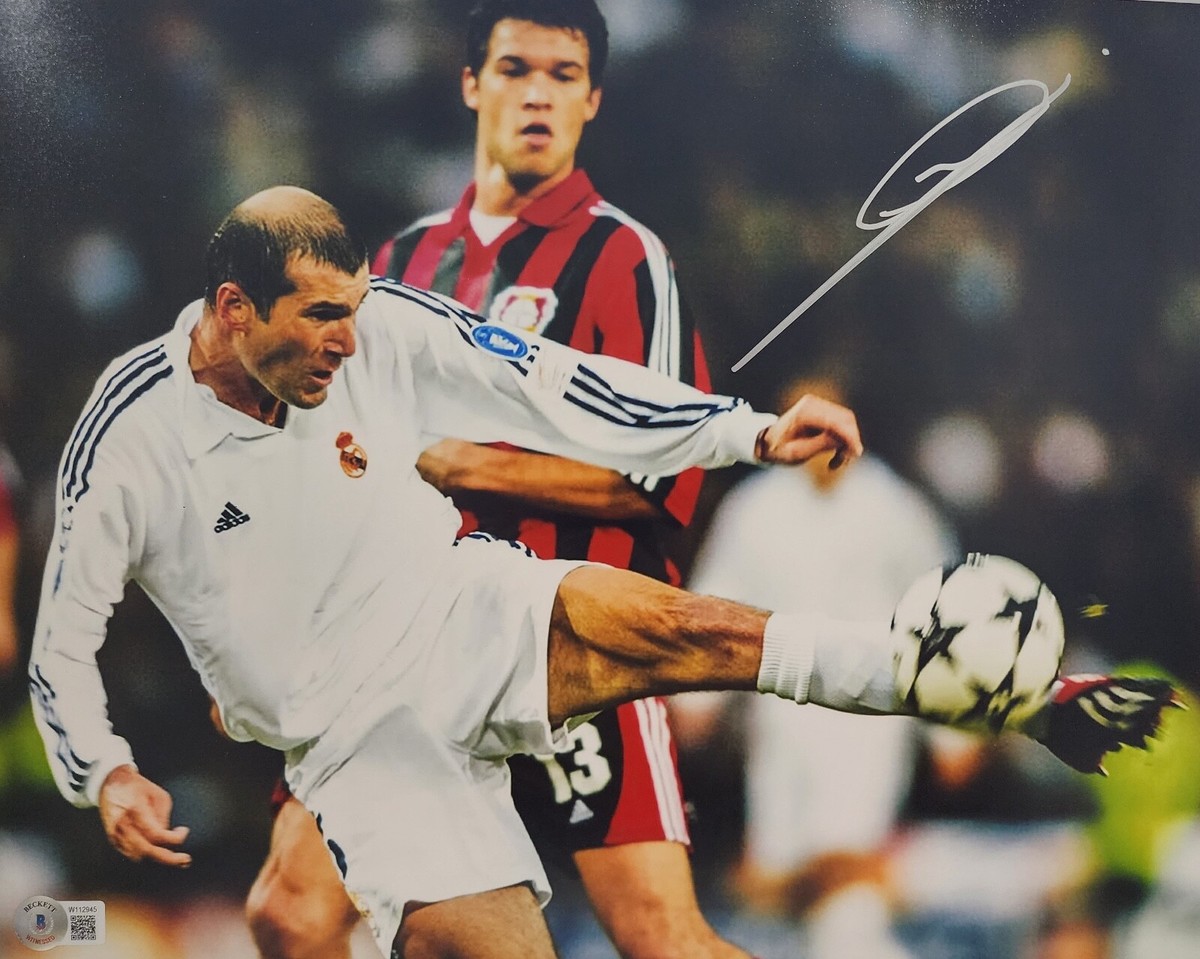
Roberto Rivellino (born 1 January 1946), known mononymously as Rivellino, is a Brazilian football pundit and former player. He was a key member of Brazil’s 1970 FIFA World Cup-winning team and played as an attacking midfielder. He was renowned for his moustache, powerful long-range shooting, accurate passing, close control, dribbling and bending free kicks.
“A left-footed conductor famous for the elastico, fierce shooting and daring switches of play.”
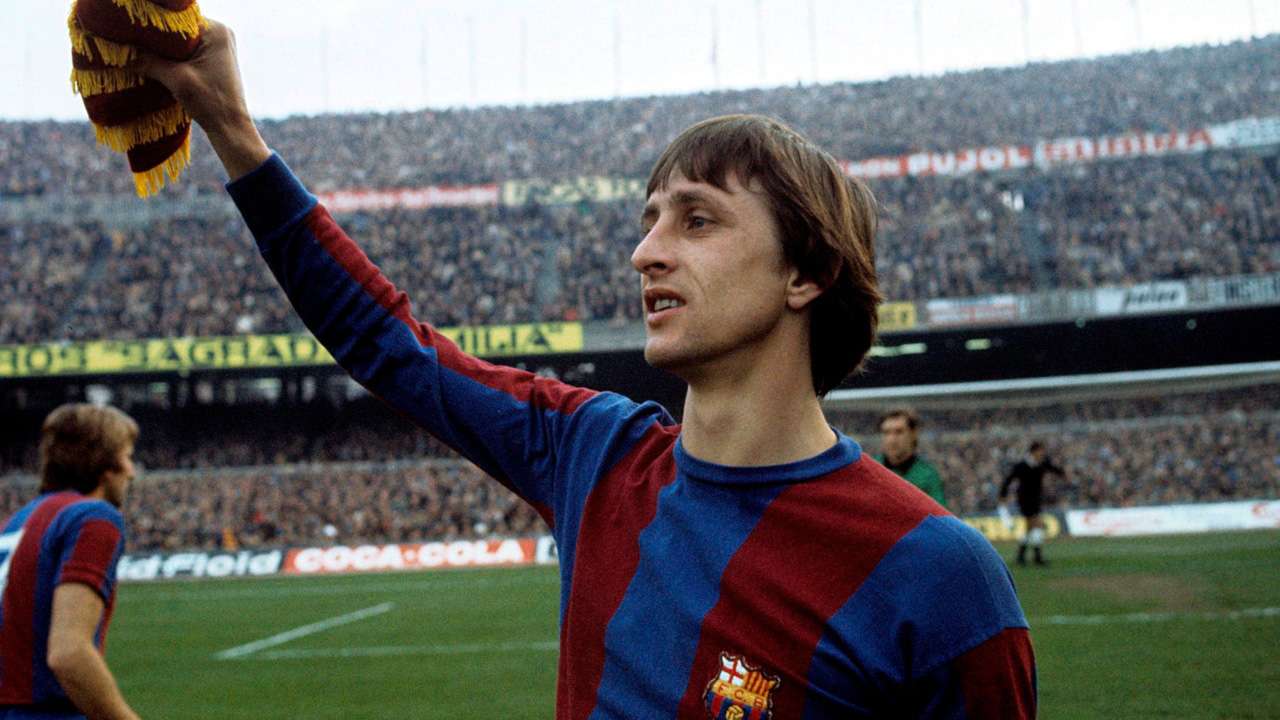
Jorge Campos Navarrete (born 15 October 1966) is a Mexican professional football coach and player who plays as a goalkeeper for Tercera Federación – Group 7 club México FC. A notable player of Mexico in the 1990s and early 2000s, Campos was an eccentric player, known for his constant play outside the penalty area – often functioning as a sweeper-keeper, as well as his acrobatic, risky, and flamboyant style of goalkeeping, and his colourful playing attire. His main strengths as a goalkeeper were his leaping ability, athleticism, and speed when rushing off his line, as well as his ability to organize his defense, which enabled him to overcome his short stature.
“A fearless, undersized goalkeeper who compensated with spring, bravery and unusual footwork.”
Head-to-head stats
Career goals by season
Representative career seasons — goals per season for each player across their documented clubs.
Attribute radar
Attribute ratings are peak-era, 0–100. Different positions naturally skew the profile.
Attribute comparison
Trophy breakdown
- 1× FIFA World Cup (1970)
- 1× Mexican Primera División
Trophy distribution
Career milestones
- 1962 Established himself at Corinthians
- 1966 Reached his defining peak
- 1970 Delivered a landmark season
- 1981 Retired from professional football
- 1983 Established himself at Pumas UNAM
- 1987 Reached his defining peak
- 1991 Delivered a landmark season
- 2004 Retired from professional football
The verdict
On balance Rivelino edges the comparison. The margin is a clear margin, decided mostly by a sharper goalscoring record.
Rivelino edges it (a clear margin)