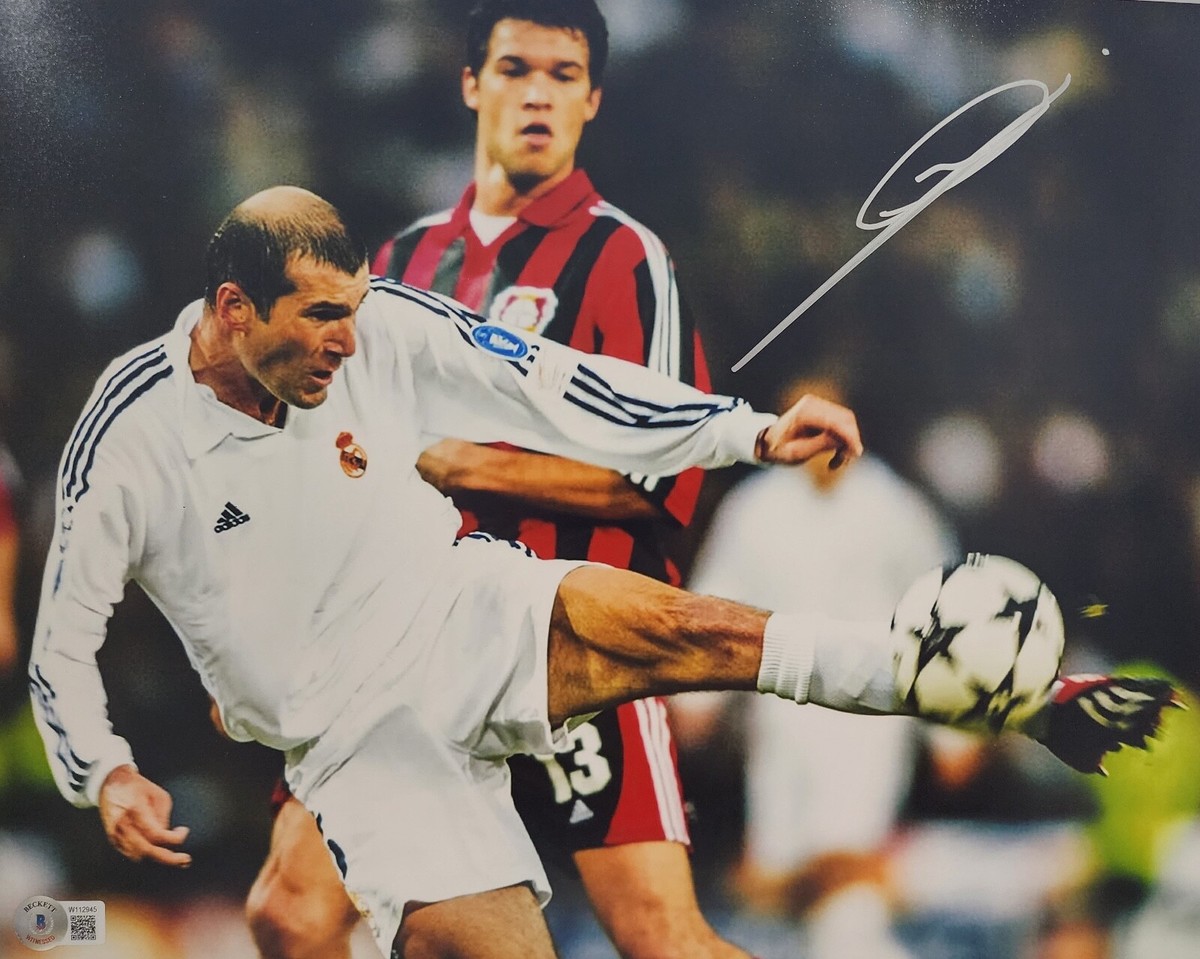
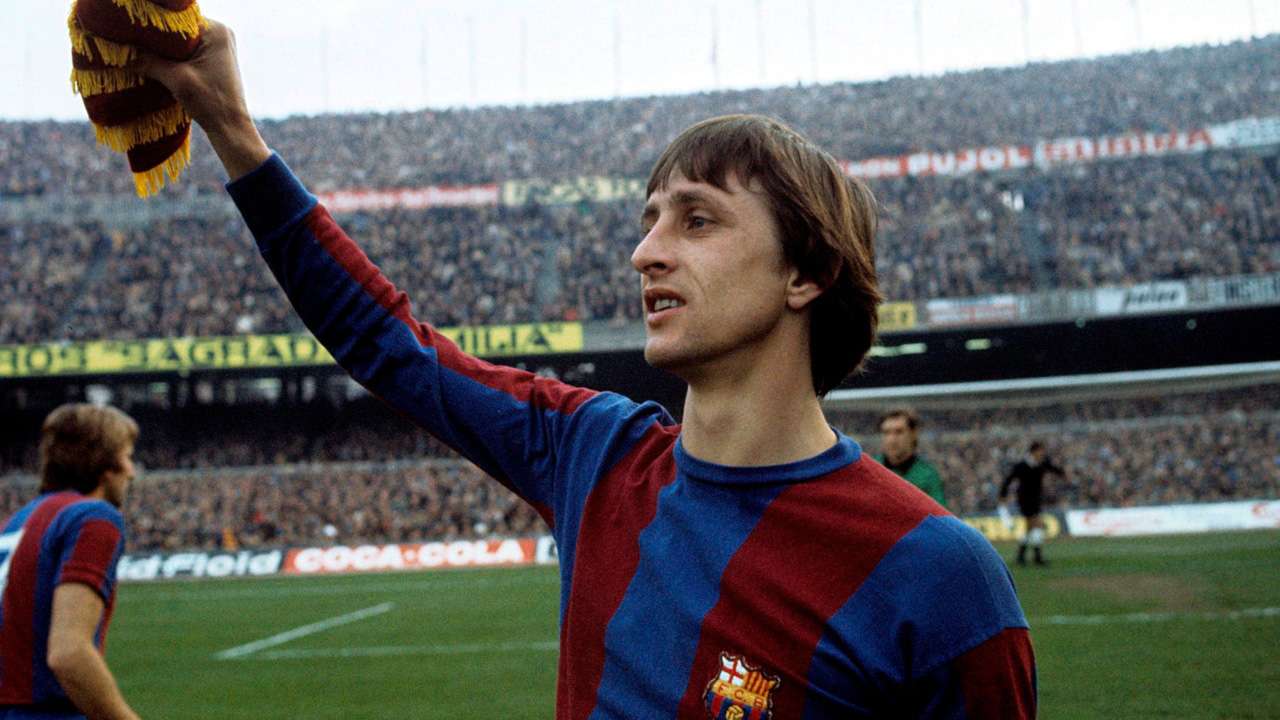
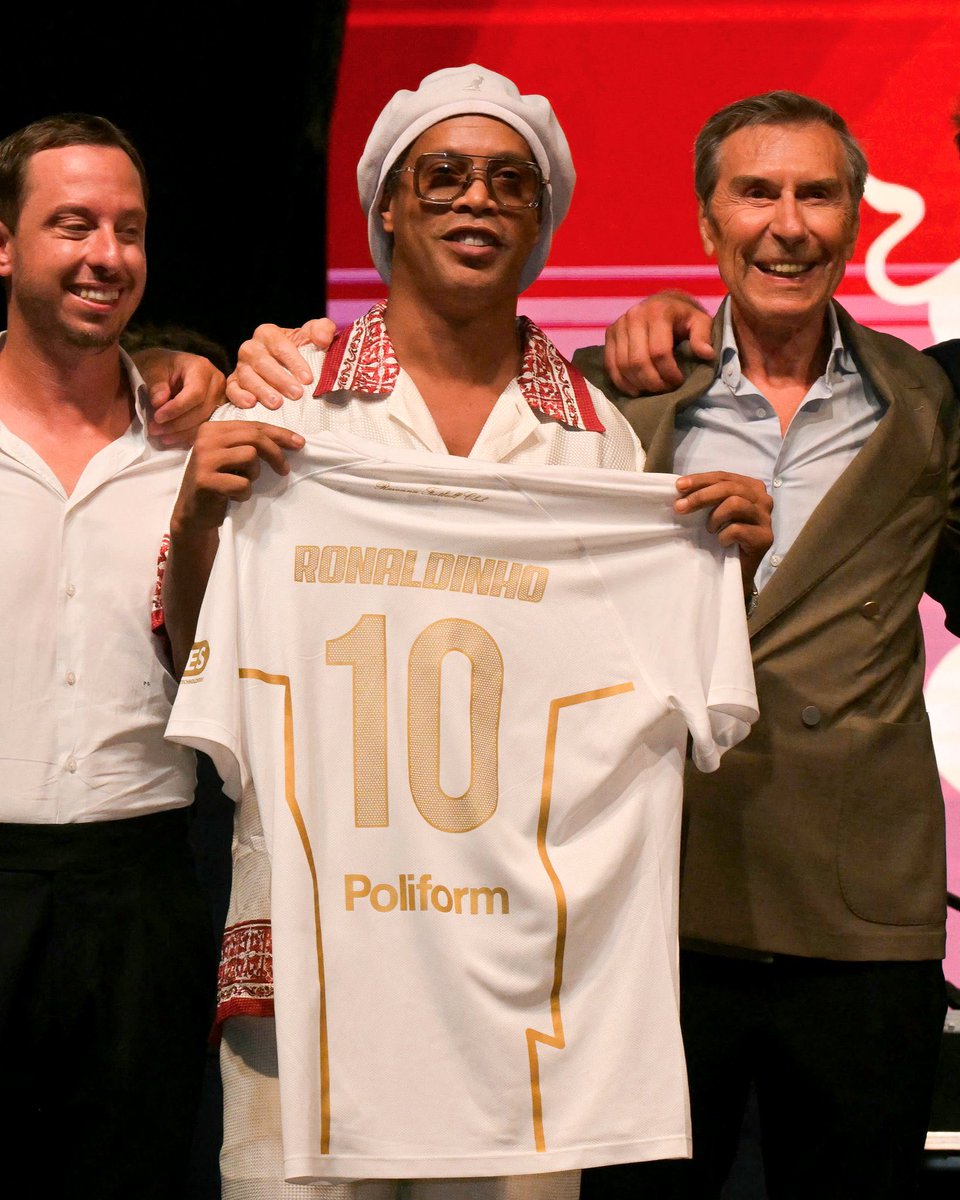
Roberto Baggio vs Michael Ballack: Stats Compared
Attacking Midfielder, Italy (born 1967, retired 2004) · Central Midfielder, Germany (born 1976, retired 2012)
Set Roberto Baggio alongside Michael Ballack and the numbers start an argument of their own. Honours are what separate great players from trophy-laden legends, and both qualify. Across his senior career Roberto Baggio notched 318 goals in 602 appearances (0.53 per game), while Michael Ballack recorded 181 in 641 (0.28 per game). Assists were never formally recorded across most of their eras, so the playmaking dimension has to be judged on reputation and highlights rather than hard totals. The honours ledger favours Roberto Baggio with 9 major trophies (1× UEFA Cup (1993)) against Michael Ballack's 8 (4× Bundesliga (1998–2006)). Roberto Baggio built his medal haul through years of creative consistency, while Michael Ballack won his with intelligent bursts of brilliance. The wider career context matters too: Roberto Baggio peaked around 1993 after representing Vicenza, Fiorentina, Juventus, Milan, Bologna, Inter, while Michael Ballack's defining level came around 2002 across Bayer Leverkusen, Bayern Munich, Chelsea. Picking between them says as much about the picker as the players.
165 words · comparison angle: trophies
Player profiles
Roberto Baggio is an Italian former professional footballer who mainly played as a second striker, or as an attacking midfielder. He is also the former president of the technical sector of the Italian Football Federation. A highly skillful creative playmaker and set piece specialist, renowned for his curling free-kicks, dribbling skills, and goalscoring, Baggio is regarded by many as one of the greatest players of all time.
“A delicate playmaker with velvet touch, disguised passing and an instinct for decisive moments.”
Michael Ballack is a German former professional footballer who is now a football agent. He was selected by Pelé as one of FIFA's 100 Greatest Living Players, and as the UEFA Club Midfielder of the Year in 2002. He won the German Footballer of the Year award three times – in 2002, 2003 and 2005.
“A tall, complete midfielder whose late runs and striking technique created decisive goals.”
Head-to-head stats
Career goals by season
Representative career seasons — goals per season for each player across their documented clubs.
Attribute radar
Attribute ratings are peak-era, 0–100. Different positions naturally skew the profile.
Attribute comparison
Trophy breakdown
- 1× UEFA Cup (1993)
- 4× Bundesliga (1998–2006)
Trophy distribution
Career milestones
- 1985 Established himself at Vicenza
- 1989 Reached his defining peak
- 1993 Delivered a landmark season
- 2004 Retired from professional football
- 1994 Established himself at Bayer Leverkusen
- 1998 Reached his defining peak
- 2002 Delivered a landmark season
- 2012 Retired from professional football
The verdict
Weighing production, silverware and profile, the two finish within a whisker of each other. Call it a respectful draw — greatness of this calibre resists a single winner.
Too close to call — a respectful draw