Romário vs Luís Figo: Stats Compared
Striker, Brazil (born 1966, retired 2009) · Winger, Portugal (born 1972, retired 2009)
Line up Romário next to Luís Figo and the contrasts come quickly. Era matters in any comparison, and these two peaked under very different footballing conditions. Across his senior career Romário notched 753 goals in 994 appearances (0.76 per game), while Luís Figo recorded 144 in 737 (0.20 per game). Because assists were not systematically tracked for much of their time, that side of the comparison rests on the footage that survives. Romário departs the game with 9 major pieces of silverware, including 1× FIFA World Cup (1994); Luís Figo with 12, including 1× UEFA Champions League (2002). Across the 1990s and the turn of the millennium respectively, their predatory and orchestrating styles captured the spirit of very different footballing times. Their routes to the top were distinct: Romário built his reputation across PSV Eindhoven, Barcelona, Vasco da Gama, peaking around 1994, while Luís Figo reached his defining level around 2000 after spells with Sporting CP, Barcelona, Real Madrid, Inter Milan. Greatness, in cases like this, is rarely a zero-sum affair.
171 words · comparison angle: era
Player profiles
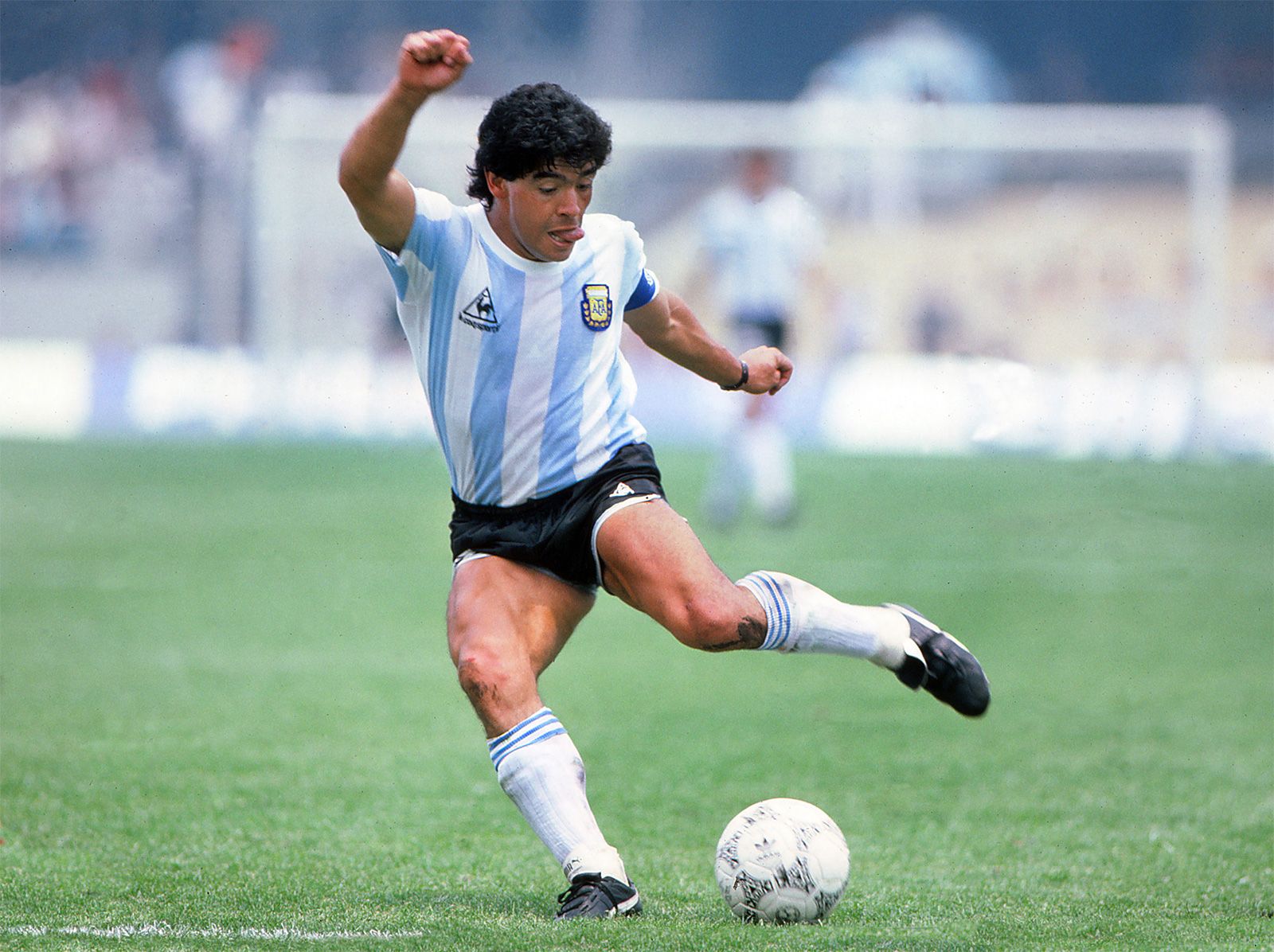
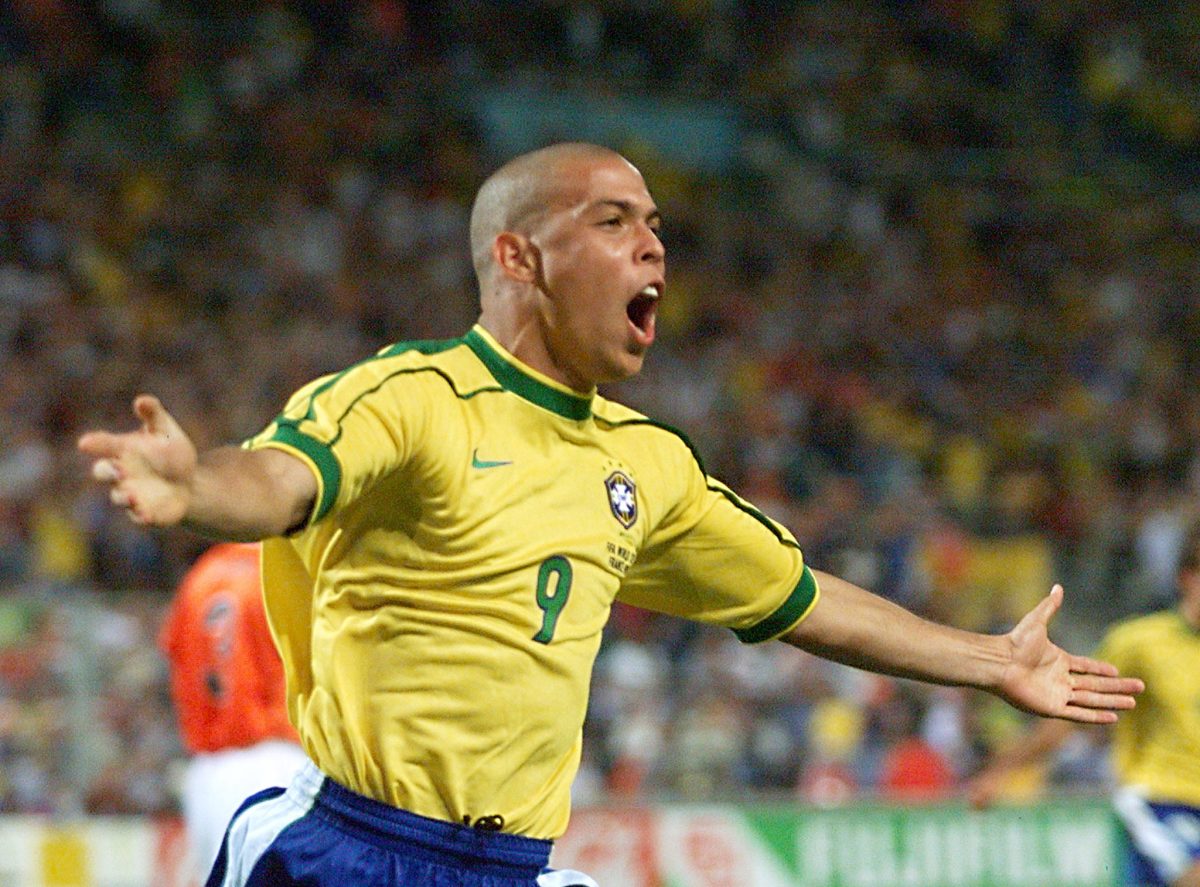
Romário de Souza Faria (born 29 January 1966), known simply as Romário, is a Brazilian politician and former professional footballer. A prolific striker renowned for clinical finishing, he is considered one of the greatest players of all time. He scored more than 700 goals for club and country and became one of only five players to score 100 goals for three different clubs.
“A compact poacher whose first touch and near-post movement were relentlessly efficient.”
Portuguese winger and 2000 Ballon d'Or winner; won league titles in Spain and Italy at Barcelona, Real Madrid and Inter.
“A right-wing dribbler with a trademark step-over and the capacity to deliver telling crosses all day.”
Head-to-head stats
Career goals by season
Representative career seasons — goals per season for each player across their documented clubs.
Attribute radar
Attribute ratings are peak-era, 0–100. Different positions naturally skew the profile.
Attribute comparison
Trophy breakdown
- 1× FIFA World Cup (1994)
- 1× UEFA Champions League (2002)
- 4× La Liga (1998, 1999, 2001, 2003)
- 4× Serie A (2006, 2007, 2008, 2009)
- 1× UEFA Cup Winners' Cup (1997)
- 2× Copa del Rey (1997, 1998)
Trophy distribution
Career milestones
- 1986 Established himself at PSV Eindhoven
- 1990 Reached his defining peak
- 1994 Delivered a landmark season
- 2009 Retired from professional football
- 1989 Sporting CP debut
- 1995 Joined Barcelona
- 2000 Controversial transfer to Real Madrid
- 2000 Ballon d'Or winner
- 2002 Champions League winner with Real Madrid
- 2005 Signed for Inter Milan
- 2009 Retired at Inter Milan
The verdict
Weighing production against honours, Luís Figo takes the verdict — a narrow margin, driven by a weightier trophy cabinet.
Luís Figo edges it (a narrow margin)