Romário vs Elías Figueroa: Stats Compared
Striker, Brazil (born 1966, retired 2009) · Centre-Back, Chile (born 1946, retired 1982)
Romário and Elías Figueroa represent two answers to the same question: how do you define a great? Honours are what separate great players from trophy-laden legends, and both qualify. Across his senior career Romário notched 753 goals in 994 appearances (0.76 per game), while Elías Figueroa recorded 40 in 600 (0.07 per game). Reliable assist tallies simply do not exist for large stretches of their careers, leaving creativity to the eye rather than the spreadsheet. The honours ledger favours Romário with 9 major trophies (1× FIFA World Cup (1994)) against Elías Figueroa's 5 (2× Uruguayan Primera División (1967, 1968)). One lifted trophies through clinical reliability, the other through elegant moments that decided finals. The wider career context matters too: Romário peaked around 1994 after representing PSV Eindhoven, Barcelona, Vasco da Gama, while Elías Figueroa's defining level came around 1974 across Santiago Wanderers, Peñarol, Internacional, Palestino, Fort Lauderdale Strikers. Few pairings invite such entrenched disagreement, and fewer still deserve it this much.
161 words · comparison angle: trophies
Player profiles
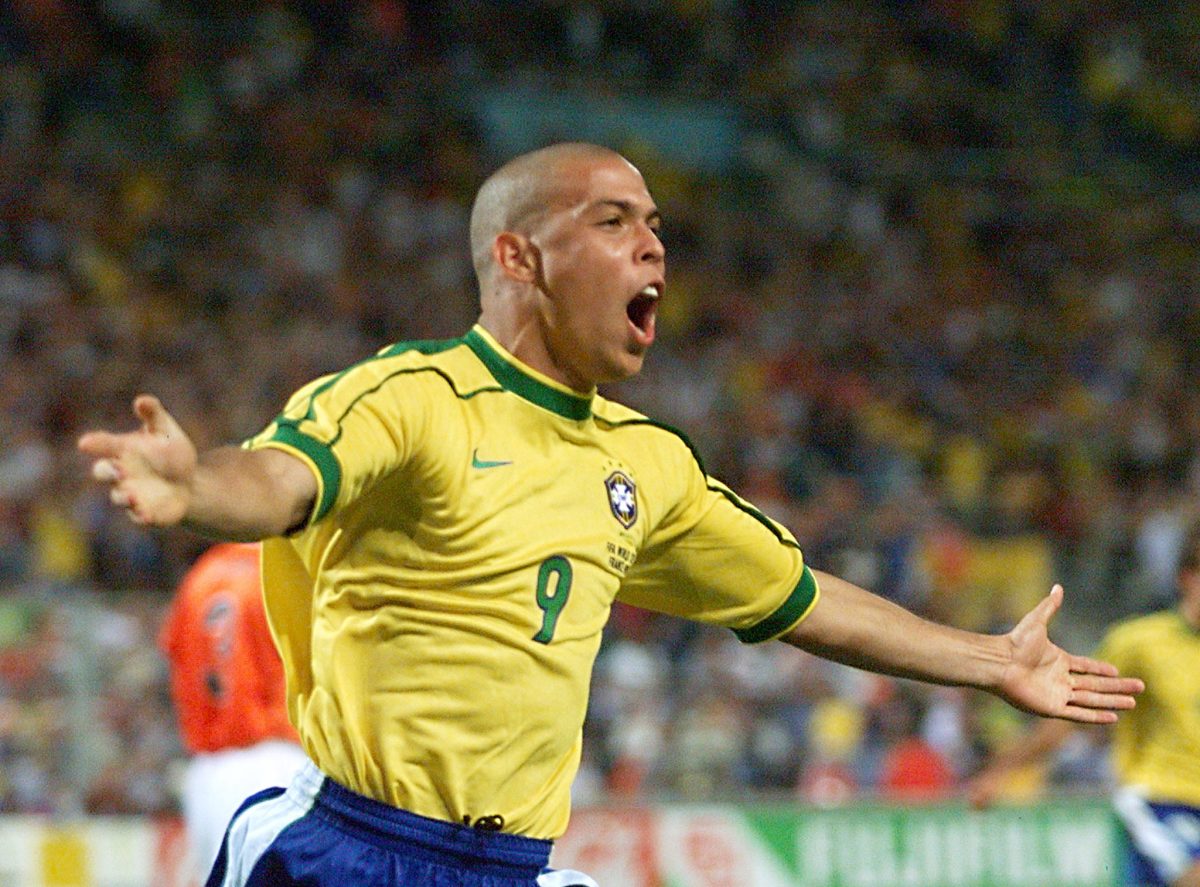
Romário de Souza Faria (born 29 January 1966), known simply as Romário, is a Brazilian politician and former professional footballer. A prolific striker renowned for clinical finishing, he is considered one of the greatest players of all time. He scored more than 700 goals for club and country and became one of only five players to score 100 goals for three different clubs.
“A compact poacher whose first touch and near-post movement were relentlessly efficient.”
A three-time South American Footballer of the Year, Figueroa is widely considered the finest defender the continent has produced, marshalling Internacional's dominant 1970s side.
“An imperious, elegant centre-back who combined aerial dominance with composed distribution well ahead of his era.”
Head-to-head stats
Career goals by season
Representative career seasons — goals per season for each player across their documented clubs.
Attribute radar
Attribute ratings are peak-era, 0–100. Different positions naturally skew the profile.
Attribute comparison
Trophy breakdown
- 1× FIFA World Cup (1994)
- 2× Uruguayan Primera División (1967, 1968)
- 3× Campeonato Gaúcho (1973, 1974, 1975)
Trophy distribution
Career milestones
- 1986 Established himself at PSV Eindhoven
- 1990 Reached his defining peak
- 1994 Delivered a landmark season
- 2009 Retired from professional football
- 1965 Professional debut for Santiago Wanderers
- 1967 Won Uruguayan Primera División with Peñarol
- 1973 Won Campeonato Gaúcho with Internacional
- 1974 Reached the peak of his powers at Internacional
- 1982 Retired after a final spell at Fort Lauderdale Strikers
- Finished his career with 40 goals in 600 appearances and 5 major honours. Finished his career with 40 goals in 600 appearances and 5 major honours.
The verdict
On balance Romário edges the comparison. The margin is a decisive margin, decided mostly by a sharper goalscoring record.
Romário edges it (a decisive margin)