Romário vs Javier Mascherano: Stats Compared
Striker, Brazil (born 1966, retired 2009) · Defensive Midfielder, Argentina (born 1984, retired 2020)
Romário and Javier Mascherano represent two answers to the same question: how do you define a great? Separated by their years at the top, each defined the football of their own generation. Career output puts Romário at 753 goals in 994 games, with Javier Mascherano at 15 in 700. Assists were not reliably tracked for much of their careers, which makes the playmaking comparison an imperfect one; where records exist, Romário is credited with 0 and Javier Mascherano with 20. Romário departs the game with 9 major pieces of silverware, including 1× FIFA World Cup (1994); Javier Mascherano with 10, including 2× UEFA Champions League (2011, 2015). Romário belonged to the 1990s, dominating with a mercurial quality; Javier Mascherano rose in the modern era with a orchestrating edge. The wider career context matters too: Romário peaked around 1994 after representing PSV Eindhoven, Barcelona, Vasco da Gama, while Javier Mascherano's defining level came around 2015 across River Plate, Corinthians, West Ham United, Liverpool, Barcelona, Hebei China Fortune, Estudiantes. Whichever side you land on, both belong in any conversation about the finest of their generation.
183 words · comparison angle: era
Player profiles
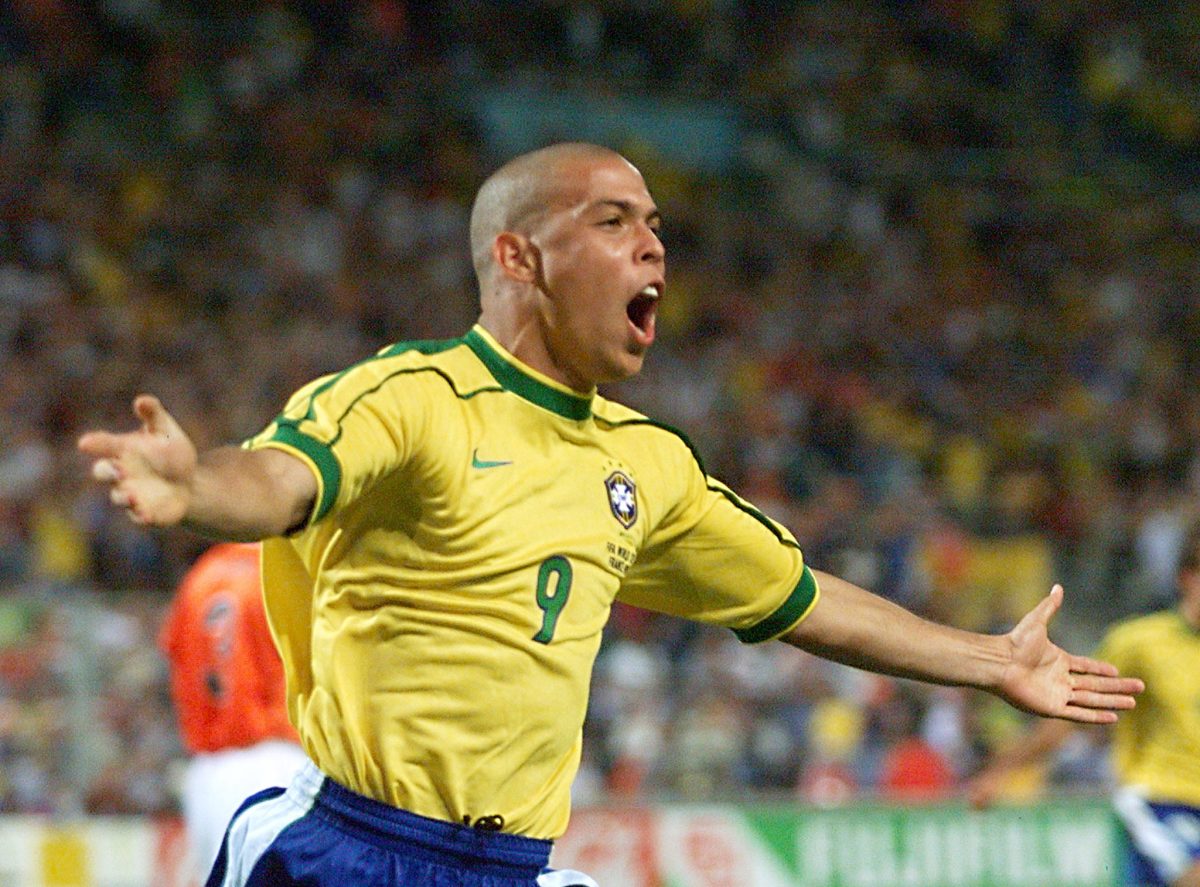
Romário de Souza Faria (born 29 January 1966), known simply as Romário, is a Brazilian politician and former professional footballer. A prolific striker renowned for clinical finishing, he is considered one of the greatest players of all time. He scored more than 700 goals for club and country and became one of only five players to score 100 goals for three different clubs.
“A compact poacher whose first touch and near-post movement were relentlessly efficient.”
Nicknamed 'El Jefecito' (the little chief), Mascherano converted from a combative box-to-box midfielder into one of the finest defensive midfielders of his generation.
“A fiercely competitive ball-winner whose tackling and reading of the game let him marshal both midfield and defence.”
Head-to-head stats
Career goals by season
Representative career seasons — goals per season for each player across their documented clubs.
Attribute radar
Attribute ratings are peak-era, 0–100. Different positions naturally skew the profile.
Attribute comparison
Trophy breakdown
- 1× FIFA World Cup (1994)
- 2× UEFA Champions League (2011, 2015)
- 4× La Liga (2013, 2015, 2016, 2018)
- 4× Copa del Rey (2012, 2015, 2016, 2017)
Trophy distribution
Career milestones
- 1986 Established himself at PSV Eindhoven
- 1990 Reached his defining peak
- 1994 Delivered a landmark season
- 2009 Retired from professional football
- 2003 Professional debut for River Plate
- 2011 Won UEFA Champions League with Barcelona
- 2012 Won Copa del Rey with Barcelona
- 2015 Reached the peak of his powers at Barcelona
- 2020 Retired after a final spell at Estudiantes
- Finished his career with 15 goals in 700 appearances and 10 major honours. Finished his career with 15 goals in 700 appearances and 10 major honours.
The verdict
On balance Romário edges the comparison. The margin is a decisive margin, decided mostly by a sharper goalscoring record.
Romário edges it (a decisive margin)