Romário vs Park Ji-sung: Stats Compared
Striker, Brazil (born 1966, retired 2009) · Midfielder, South Korea (born 1981, retired 2014)
Comparing Romário with Park Ji-sung means weighing two very different kinds of greatness. Legacy is the only real measure that outlives the numbers, and both have staked towering claims. The raw numbers read 753 goals in 994 outings for Romário (0.76/game), versus 60 in 550 for Park Ji-sung (0.11/game). Assists were not reliably tracked for much of their careers, which makes the playmaking comparison an imperfect one; where records exist, Romário is credited with 0 and Park Ji-sung with 60. Romário departs the game with 9 major pieces of silverware, including 1× FIFA World Cup (1994); Park Ji-sung with 5, including 4× Premier League (2007, 2008, 2009, 2011). History will file Romário under predatory greatness and Park Ji-sung under dictatorial greatness — different shelves, same temple. Context beyond the headline totals is important: Romário's landmark level arrived around 1994 with a career spanning PSV Eindhoven, Barcelona, Vasco da Gama; Park Ji-sung's came around 2008 across Kyoto Purple Sanga, PSV Eindhoven, Manchester United, Queens Park Rangers. Few pairings invite such entrenched disagreement, and fewer still deserve it this much.
178 words · comparison angle: legacy
Player profiles
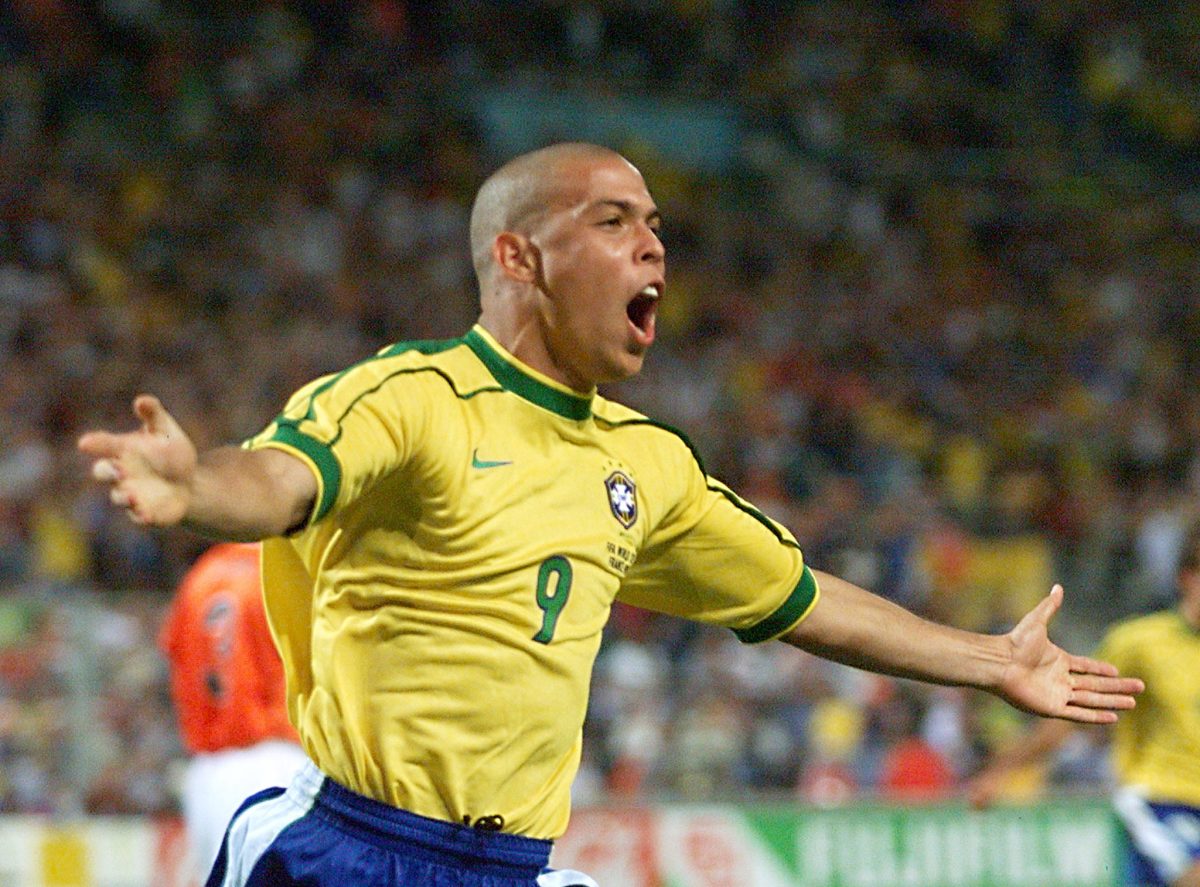
Romário de Souza Faria (born 29 January 1966), known simply as Romário, is a Brazilian politician and former professional footballer. A prolific striker renowned for clinical finishing, he is considered one of the greatest players of all time. He scored more than 700 goals for club and country and became one of only five players to score 100 goals for three different clubs.
“A compact poacher whose first touch and near-post movement were relentlessly efficient.”
The first Asian player to win the Champions League and reach a World Cup semi-final, Park was renowned for his tireless work rate and big-game performances for Manchester United.
“A relentless, selfless box-to-box midfielder whose stamina and tactical discipline made him invaluable in the biggest matches.”
Head-to-head stats
Career goals by season
Representative career seasons — goals per season for each player across their documented clubs.
Attribute radar
Attribute ratings are peak-era, 0–100. Different positions naturally skew the profile.
Attribute comparison
Trophy breakdown
- 1× FIFA World Cup (1994)
- 4× Premier League (2007, 2008, 2009, 2011)
- 1× UEFA Champions League (2008)
Trophy distribution
Career milestones
- 1986 Established himself at PSV Eindhoven
- 1990 Reached his defining peak
- 1994 Delivered a landmark season
- 2009 Retired from professional football
- 2000 Professional debut for Kyoto Purple Sanga
- 2007 Won Premier League with Manchester United
- 2008 Won UEFA Champions League with Manchester United
- 2008 Reached the peak of his powers at Manchester United
- 2014 Retired after a final spell at Queens Park Rangers
- Finished his career with 60 goals in 550 appearances and 5 major honours. Finished his career with 60 goals in 550 appearances and 5 major honours.
The verdict
Weighing production against honours, Romário takes the verdict — a decisive margin, driven by a sharper goalscoring record.
Romário edges it (a decisive margin)