Romário vs Teddy Sheringham: Stats Compared
Striker, Brazil (born 1966, retired 2009) · Striker, England (born 1966, retired 2008)
Few debates split football fans quite like Romário versus Teddy Sheringham. Strip away the highlights and the medal count tells its own story for each man. Career output puts Romário at 753 goals in 994 games, with Teddy Sheringham at 320 in 900. Modern assist data only covers part of their careers, so creativity is hard to compare cleanly — Romário is listed at 0 and Teddy Sheringham at 130 where figures survive. Trophy counts give Romário 9 and Teddy Sheringham 4, with 1× FIFA World Cup (1994) and 1× UEFA Champions League (1999) the standout honours respectively. Romário built his medal haul through years of flair-driven consistency, while Teddy Sheringham won his with flair-driven bursts of brilliance. Their routes to the top were distinct: Romário built his reputation across PSV Eindhoven, Barcelona, Vasco da Gama, peaking around 1994, while Teddy Sheringham reached his defining level around 1999 after spells with Millwall, Nottingham Forest, Tottenham Hotspur, Manchester United, Tottenham Hotspur, Portsmouth, West Ham United, Colchester United. Arguments will run and run, which is exactly why the matchup endures.
178 words · comparison angle: trophies
Player profiles
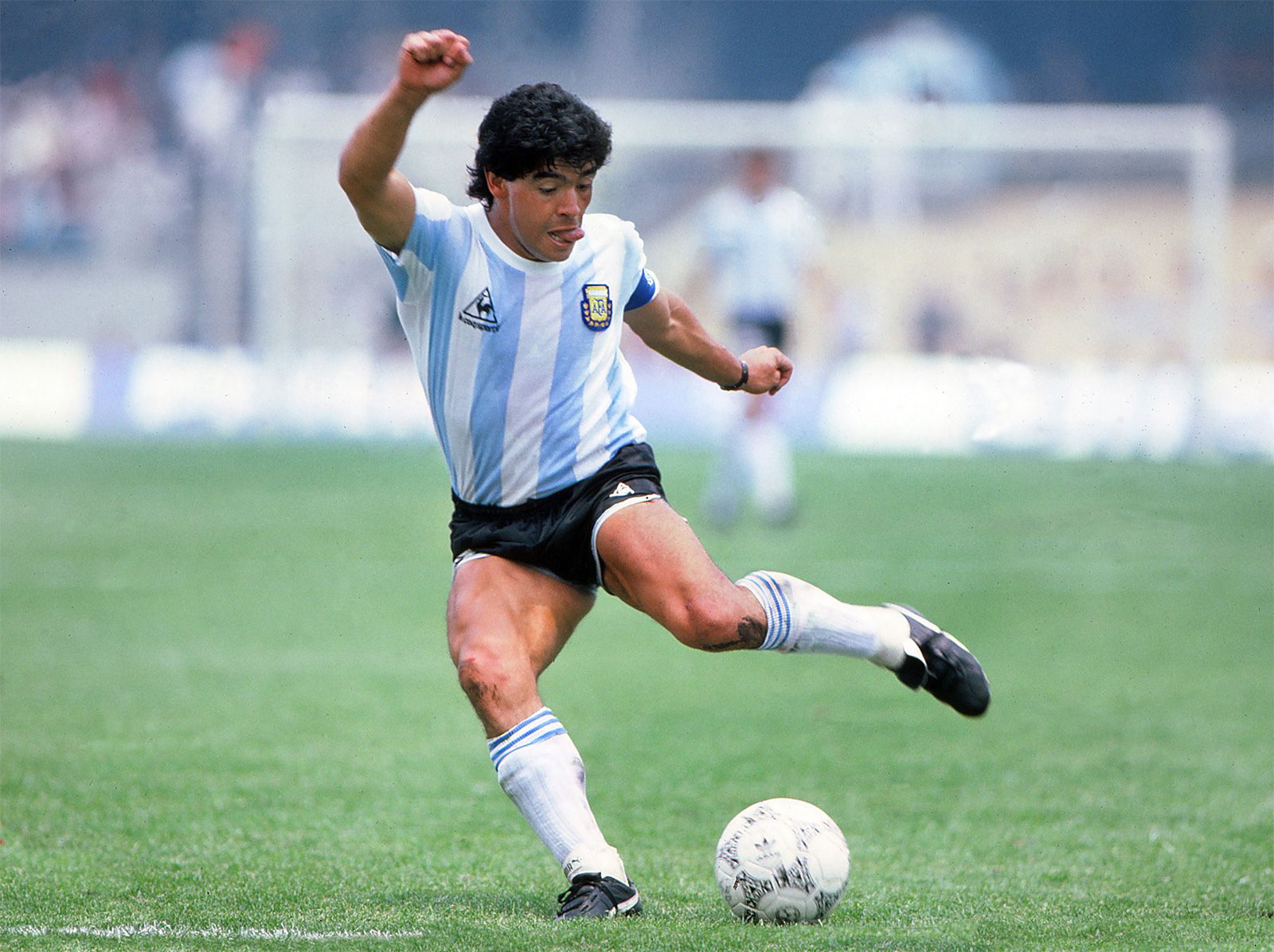
Romário de Souza Faria (born 29 January 1966), known simply as Romário, is a Brazilian politician and former professional footballer. A prolific striker renowned for clinical finishing, he is considered one of the greatest players of all time. He scored more than 700 goals for club and country and became one of only five players to score 100 goals for three different clubs.
“A compact poacher whose first touch and near-post movement were relentlessly efficient.”
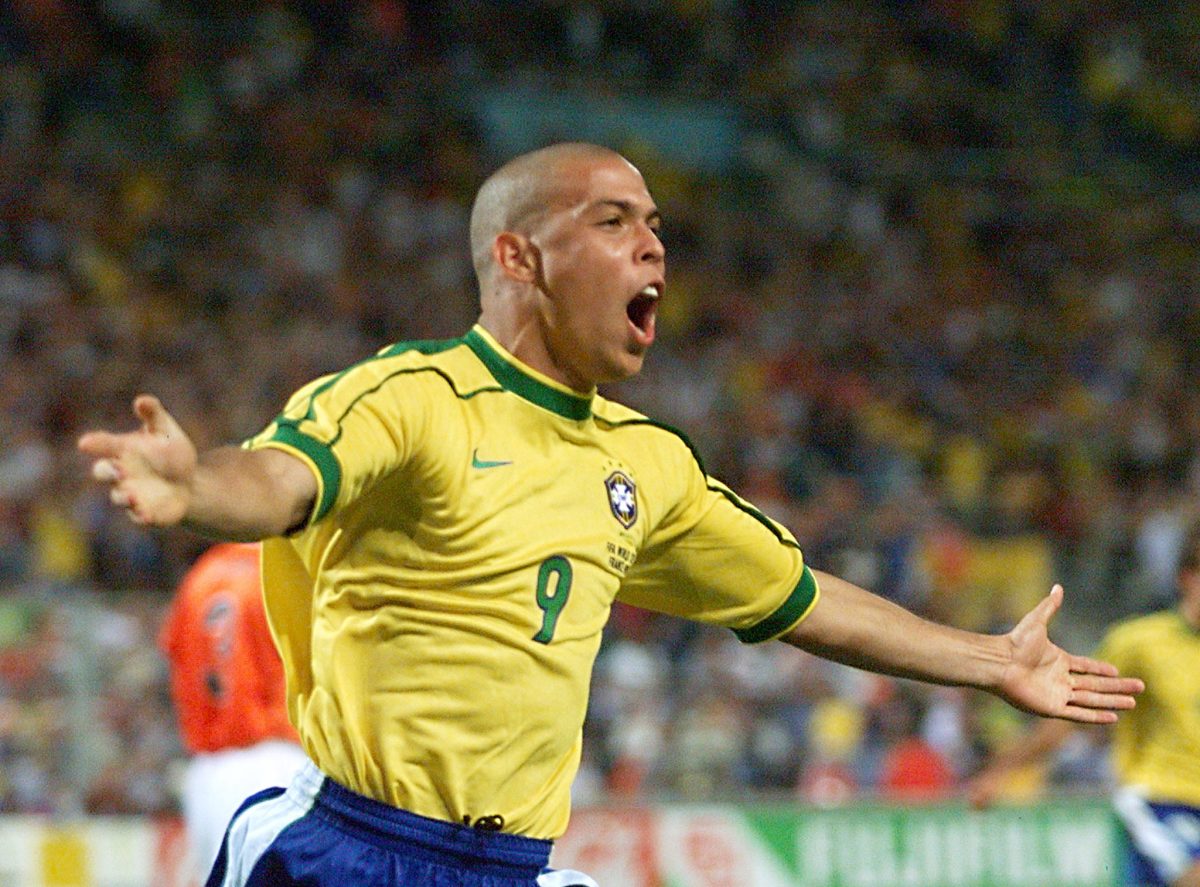
A cerebral, late-developing striker, Sheringham scored the injury-time equaliser in Manchester United's 1999 Champions League final and remains the Premier League's oldest ever goalscorer.
“An intelligent, deep-dropping forward whose clever hold-up play and vision created space for quicker strike partners.”
Head-to-head stats
Career goals by season
Representative career seasons — goals per season for each player across their documented clubs.
Attribute radar
Attribute ratings are peak-era, 0–100. Different positions naturally skew the profile.
Attribute comparison
Trophy breakdown
- 1× FIFA World Cup (1994)
- 1× UEFA Champions League (1999)
- 2× Premier League (1999, 2000)
- 1× FA Cup (1999)
Trophy distribution
Career milestones
- 1986 Established himself at PSV Eindhoven
- 1990 Reached his defining peak
- 1994 Delivered a landmark season
- 2009 Retired from professional football
- 1984 Professional debut for Millwall
- 1999 Won UEFA Champions League with Manchester United
- 1999 Won FA Cup with Manchester United
- 1999 Reached the peak of his powers at Manchester United
- 2008 Retired after a final spell at Colchester United
- Finished his career with 320 goals in 900 appearances and 4 major honours. Finished his career with 320 goals in 900 appearances and 4 major honours.
The verdict
If forced to pick, Romário is the choice: a decisive margin, with a sharper goalscoring record the deciding factor.
Romário edges it (a decisive margin)