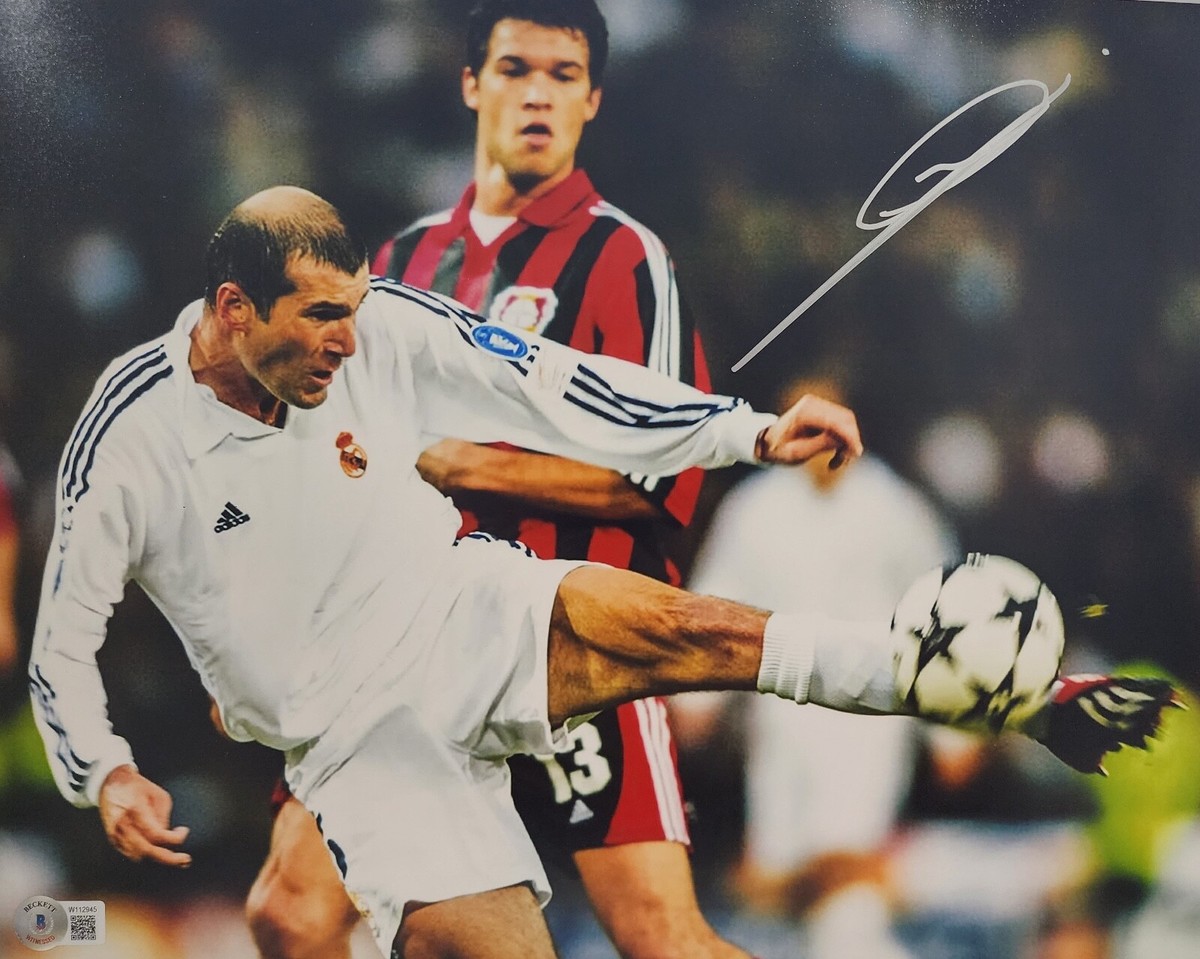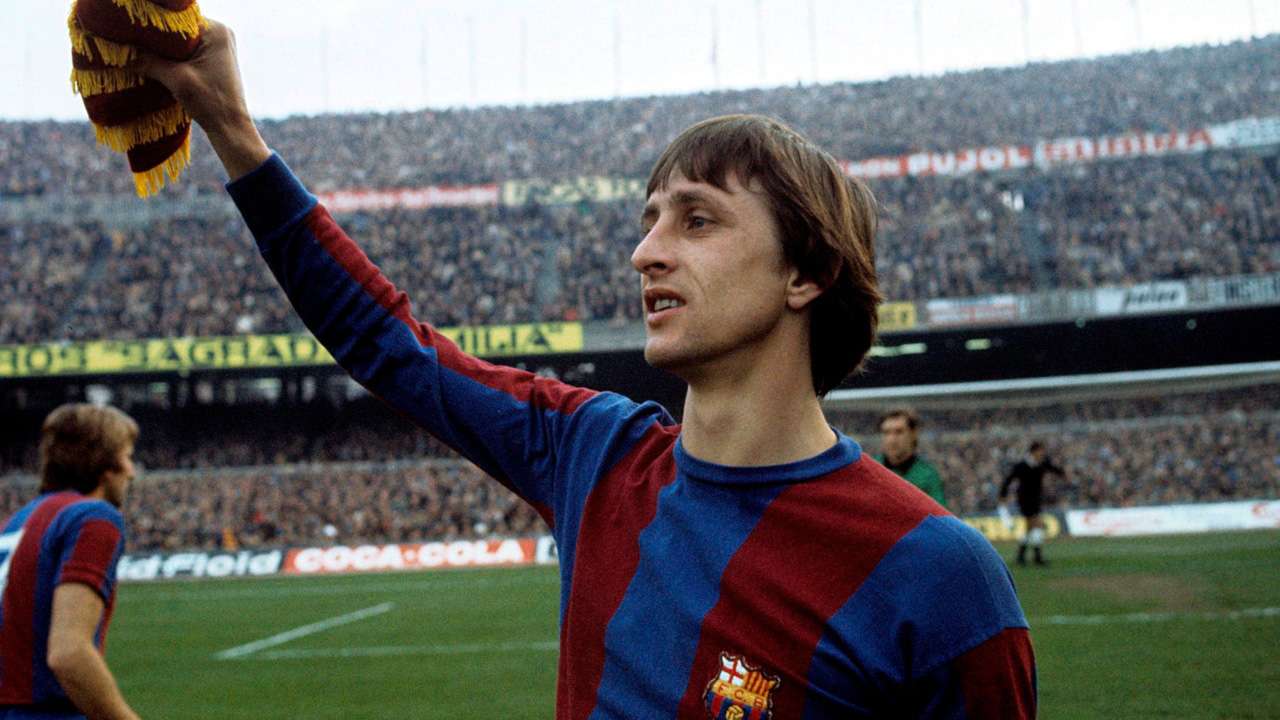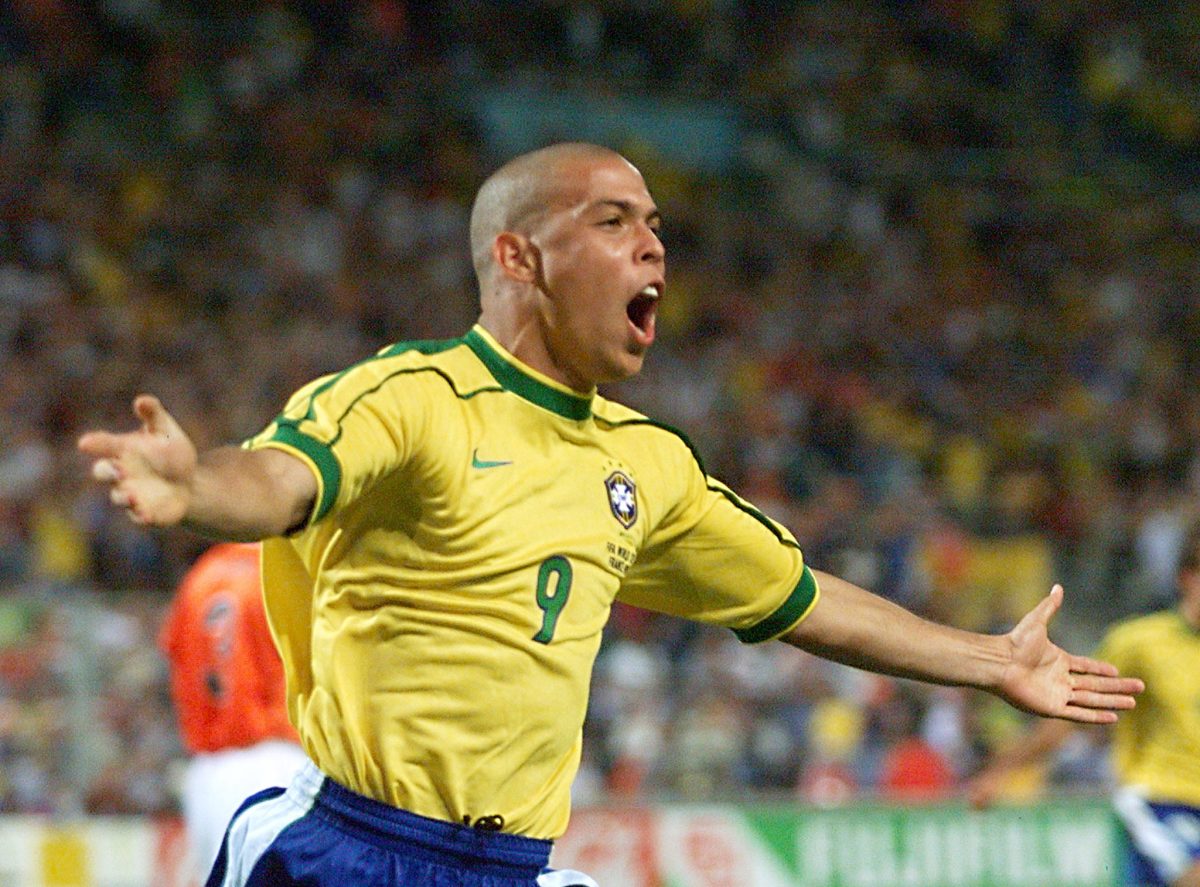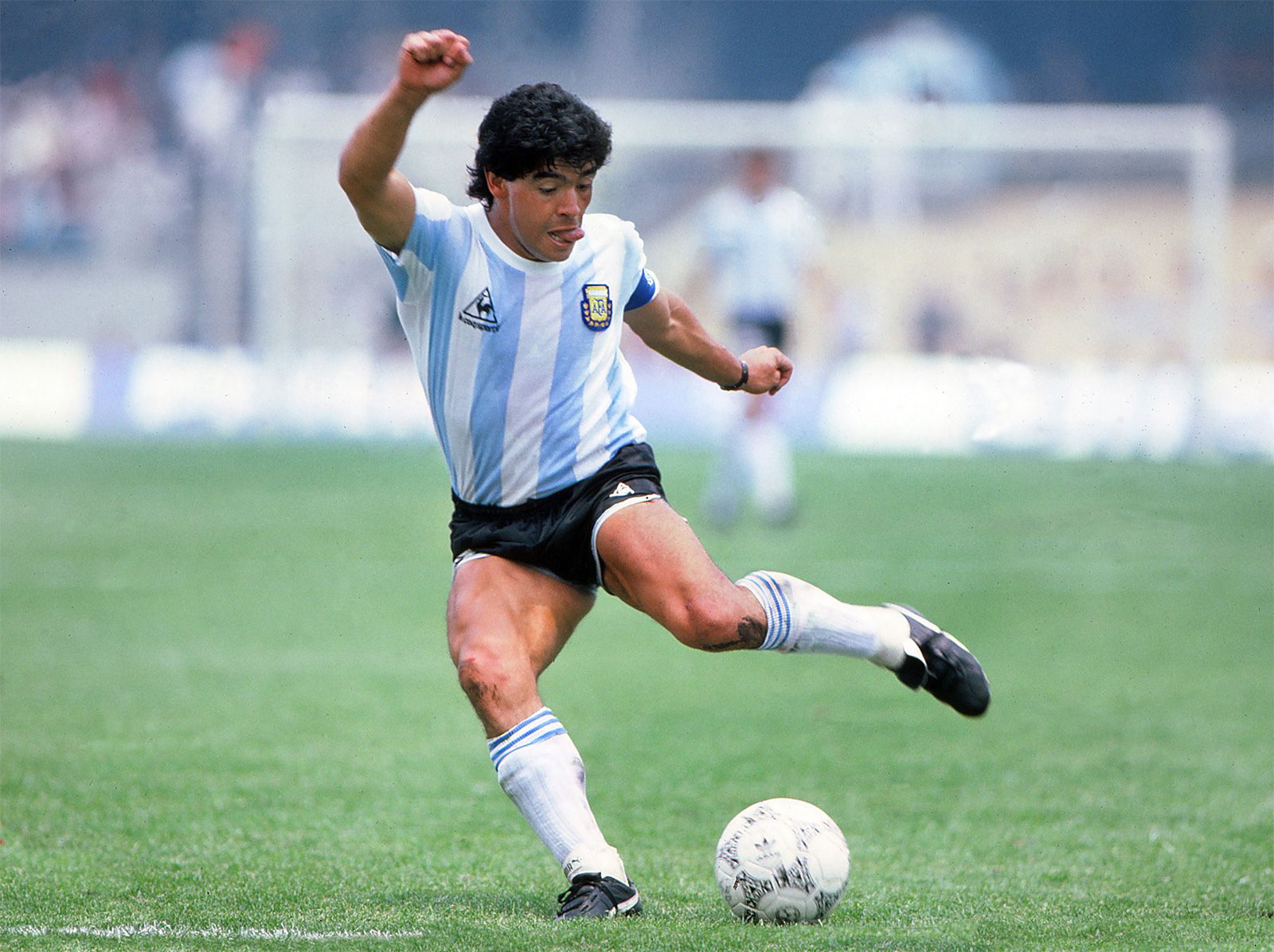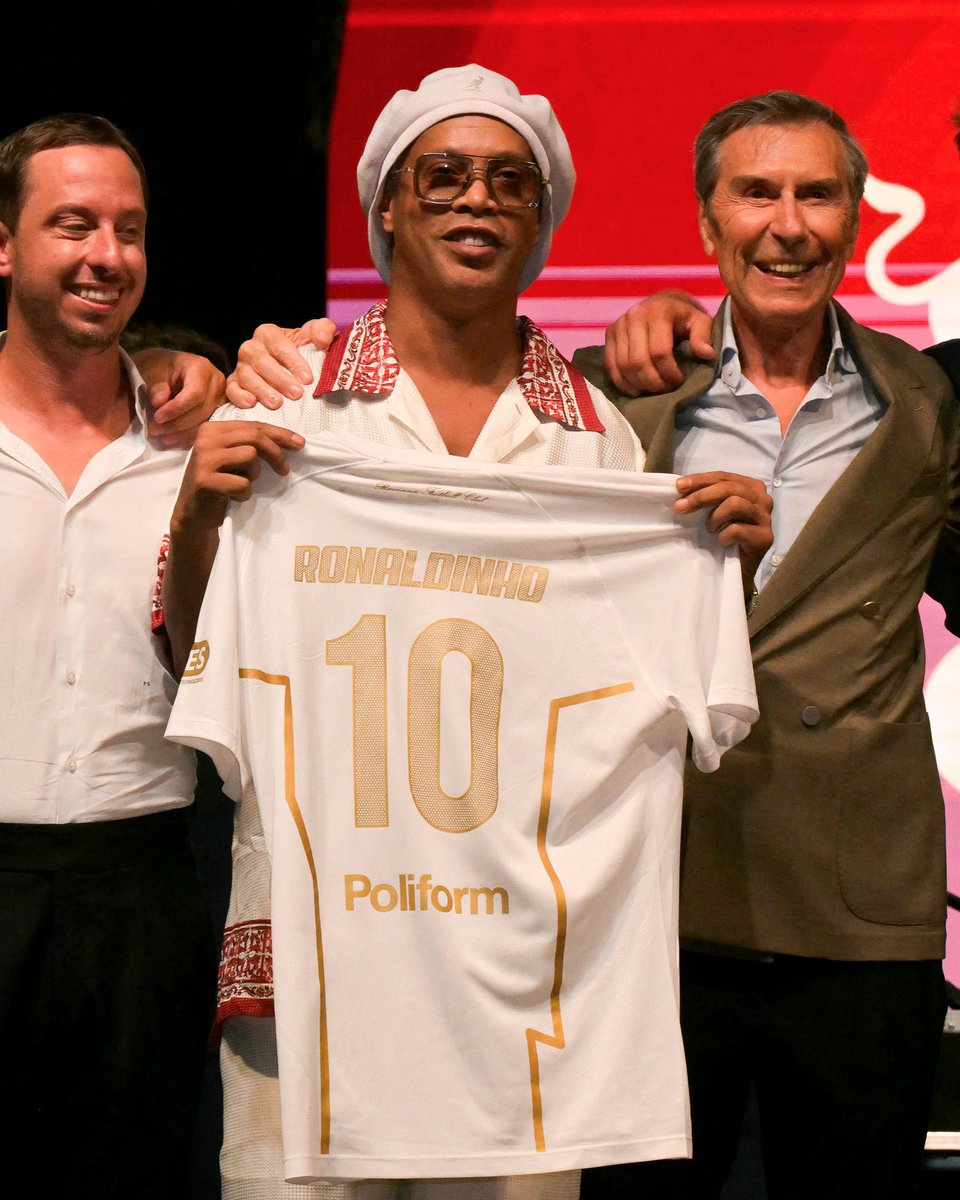

Ronaldinho vs Romário: Stats Compared
Attacking Midfielder / Winger, Brazil (born 1980, retired 2015) · Striker, Brazil (born 1966, retired 2009)
The Ronaldinho–Romário comparison is one of those fixtures of footballing folklore. Long after the final whistle, what lingers is influence, and each man reshaped his corner of the game. On production alone, Ronaldinho posted 282 goals across 685 appearances while Romário managed 753 across 994. Because assists were not systematically tracked for much of their time, that side of the comparison rests on the footage that survives. The honours ledger favours Ronaldinho with 8 major trophies (1× FIFA World Cup (2002)) against Romário's 9 (1× FIFA World Cup (1994)). History will file Ronaldinho under dictatorial greatness and Romário under predatory greatness — different shelves, same temple. Context beyond the headline totals is important: Ronaldinho's landmark level arrived around 2006 with a career spanning Grêmio, PSG, Barcelona, AC Milan, Flamengo, Atlético Mineiro, Querétaro, Fluminense; Romário's came around 1994 across PSV Eindhoven, Barcelona, Vasco da Gama. Few pairings invite such entrenched disagreement, and fewer still deserve it this much.
157 words · comparison angle: legacy
Player profiles
Brazilian magician and 2005 Ballon d'Or winner who led Barcelona to their second Champions League title in 2006.
“A mercurial, samba-flaired playmaker whose tricks, flicks and elastico delighted crowds and baffled defenders.”
Romário de Souza Faria (born 29 January 1966), known simply as Romário, is a Brazilian politician and former professional footballer. A prolific striker renowned for clinical finishing, he is considered one of the greatest players of all time. He scored more than 700 goals for club and country and became one of only five players to score 100 goals for three different clubs.
“A compact poacher whose first touch and near-post movement were relentlessly efficient.”
Head-to-head stats
Career goals by season
Representative career seasons — goals per season for each player across their documented clubs.
Attribute radar
Attribute ratings are peak-era, 0–100. Different positions naturally skew the profile.
Attribute comparison
Trophy breakdown
- 1× FIFA World Cup (2002)
- 2× Copa América (1999, 2005)
- 1× FIFA Confederations Cup (2005)
- 1× UEFA Champions League (2006)
- 2× La Liga (2005, 2006)
- 1× Serie A (2011)
- 1× FIFA World Cup (1994)
Trophy distribution
Career milestones
- 1998 Professional debut for Grêmio
- 2001 Moved to PSG
- 2002 World Cup winner, scored a famous lob against England
- 2003 Signed for Barcelona
- 2005 Ballon d'Or winner
- 2006 Champions League winner with Barcelona
- 2011 Won the Campeonato Brasileiro with Flamengo
- 1986 Established himself at PSV Eindhoven
- 1990 Reached his defining peak
- 1994 Delivered a landmark season
- 2009 Retired from professional football
The verdict
Weighing production, silverware and profile, the two finish within a whisker of each other. Call it a respectful draw — greatness of this calibre resists a single winner.
Too close to call — a respectful draw