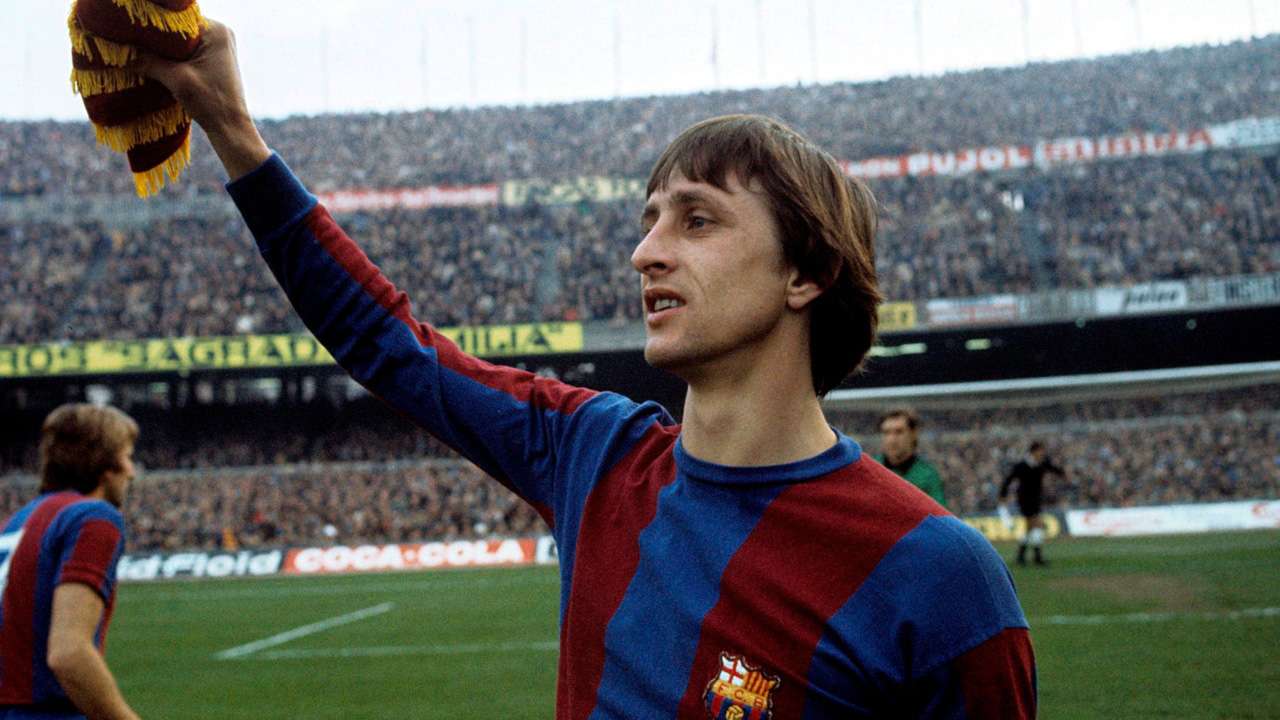
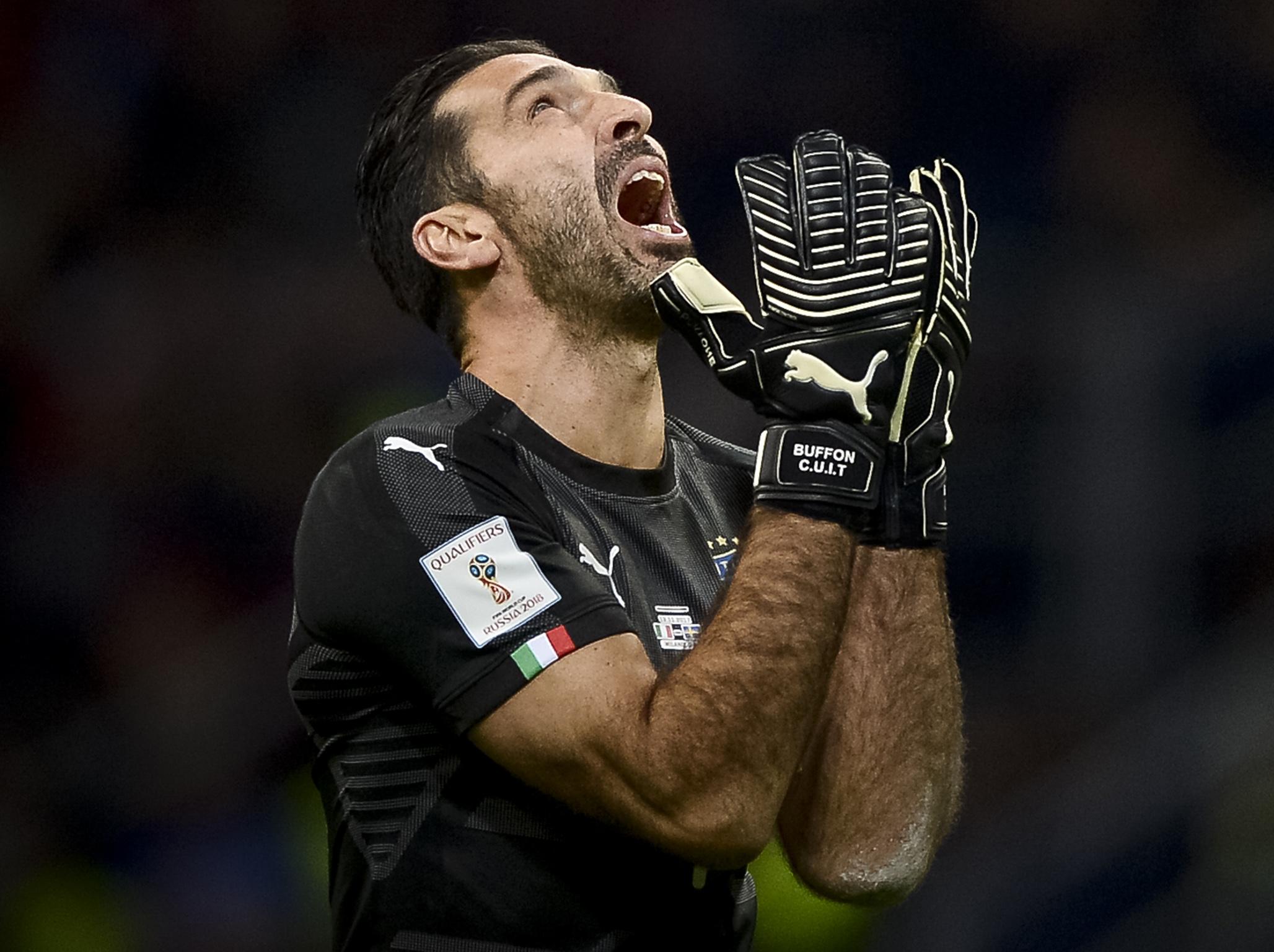
Peter Schmeichel vs Sócrates: Stats Compared
Goalkeeper, Denmark (born 1963, retired 2003) · Attacking Midfielder, Brazil (born 1954, retired 1989)
Peter Schmeichel and Sócrates represent two answers to the same question: how do you define a great? It is in how they played, rather than what they won, that the comparison gets interesting. On production alone, Peter Schmeichel posted 0 goals across 816 appearances while Sócrates managed 258 across 594. Reliable assist tallies simply do not exist for large stretches of their careers, leaving creativity to the eye rather than the spreadsheet. Peter Schmeichel departs the game with 9 major pieces of silverware, including 1× UEFA Champions League (1999); Sócrates with 8, including 3× Campeonato Brasileiro Série A. Peter Schmeichel played with a authoritative that made him unmistakable; Sócrates brought a incisive that was equally his own. Their routes to the top were distinct: Peter Schmeichel built his reputation across Brøndby, Manchester United, Sporting CP, Aston Villa, peaking around 1999, while Sócrates reached his defining level around 1982 after spells with Botafogo-SP, Corinthians, Fiorentina, Flamengo. Rank them how you like — both names are carved into the sport's permanent record.
170 words · comparison angle: style
Player profiles
Peter Bolesław Schmeichel (born 18 November 1963) is a Danish former professional footballer who played as a goalkeeper. During eight seasons at English club Manchester United, he won 15 trophies including five Premier League titles, three FA Cups, and captaining the club to victory in the 1999 UEFA Champions League final to complete the treble. Schmeichel also played for the Denmark national team, with which he won the UEFA European Championship in 1992.
“A huge presence whose reflexes, command and distribution set a new goalkeeping standard.”
Sócrates Brasileiro Sampaio de Souza Vieira de Oliveira (19 February 1954 – 4 December 2011), simply known as Sócrates, was a Brazilian footballer who played as a midfielder. His medical degree and his political awareness, combined with style and quality of his play, earned him the nickname "Doctor Socrates". Famous for his beard and the headband he wore during the 1986 World Cup in solidarity with victims of the Mexico City earthquake, Sócrates became the "symbol of cool for a whole generation of football supporters".
“A languid playmaker whose backheels, vision and civic conviction made him unforgettable.”
Head-to-head stats
Career goals by season
Representative career seasons — goals per season for each player across their documented clubs.
Attribute radar
Attribute ratings are peak-era, 0–100. Different positions naturally skew the profile.
Attribute comparison
Trophy breakdown
- 1× UEFA Champions League (1999)
- 3× Campeonato Brasileiro Série A
Trophy distribution
Career milestones
- 1991 Established himself at Brøndby
- 1995 Reached his defining peak
- 1999 Delivered a landmark season
- 2003 Retired from professional football
- 1974 Established himself at Botafogo-SP
- 1978 Reached his defining peak
- 1982 Delivered a landmark season
- 1989 Retired from professional football
The verdict
Taking goals, assists, silverware and overall profile together, Sócrates takes it by a clear margin.
Sócrates edges it (a clear margin)