Marco van Basten vs Dunga: Stats Compared
Striker, Netherlands (born 1964, retired 1993) · Defensive Midfielder, Brazil (born 1963, retired 1998)
When Marco van Basten and Dunga are mentioned in the same breath, opinions rarely stay quiet. Honours are what separate great players from trophy-laden legends, and both qualify. By the end Marco van Basten had 283 goals from 427 caps and club outings; Dunga had 60 from 687. Reliable assist tallies simply do not exist for large stretches of their careers, leaving creativity to the eye rather than the spreadsheet. In major honours Marco van Basten collected 15 — headlined by 1× UEFA European Championship (1988) — whereas Dunga amassed 8, led by 1× FIFA World Cup (1994). One lifted trophies through predatory reliability, the other through incisive moments that decided finals. Their routes to the top were distinct: Marco van Basten built his reputation across Ajax, AC Milan, peaking around 1989, while Dunga reached his defining level around 1994 after spells with Vasco da Gama, Fiorentina, Stuttgart, Júbilo Iwata. The honest conclusion is that comparison enriches appreciation rather than crowns a single winner.
164 words · comparison angle: trophies
Player profiles
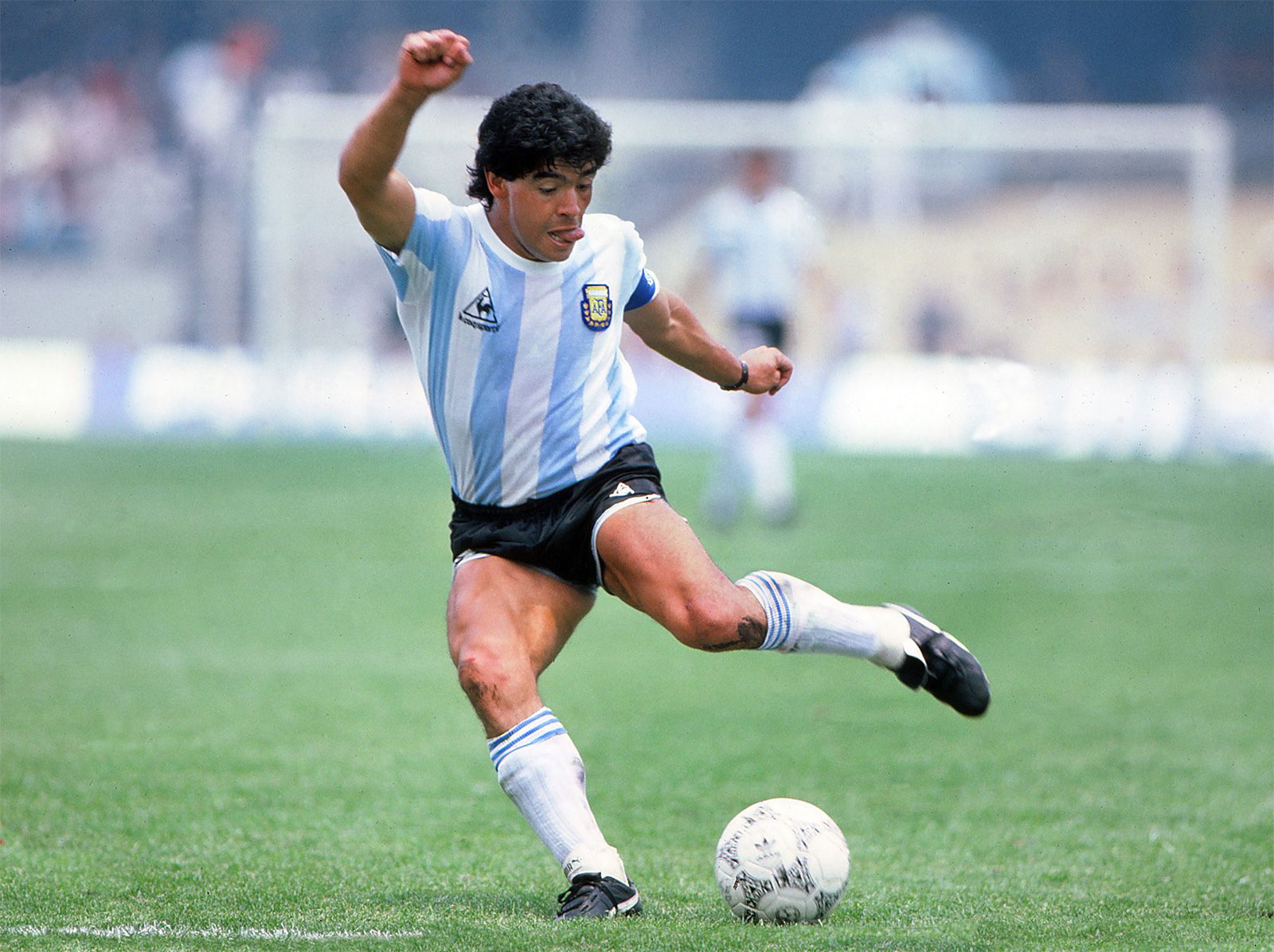
Dutch striker who won three Ballons d'Or and the 1988 European Championship before retiring at 28 due to persistent ankle injuries.
“A complete No.9 with impeccable technique, aerial strength and the most elegant volley in football.”
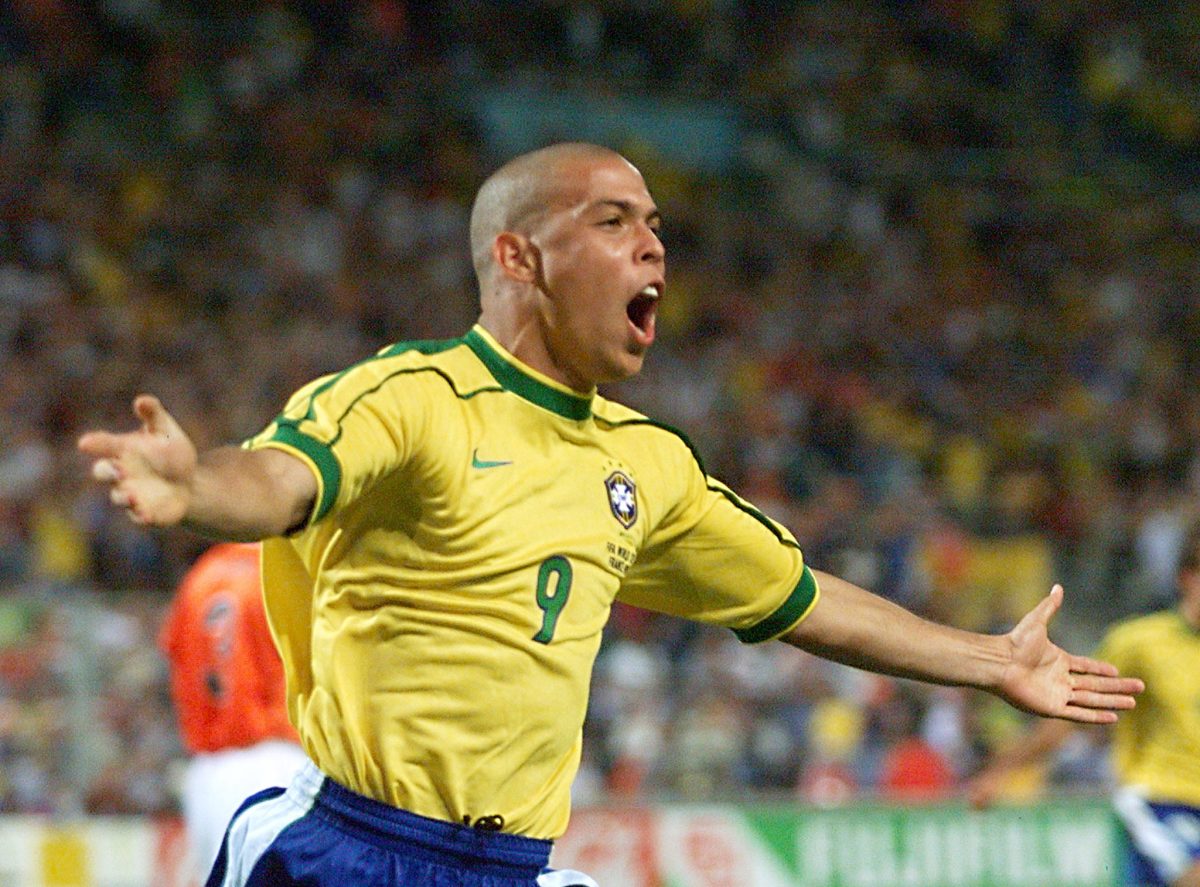
Carlos Caetano Bledorn Verri (born 31 October 1963), commonly known as Dunga, is a Brazilian football manager and former professional player. Considered one of the greatest defensive midfielders of all time, as a player, he was known for his technique, athleticism, passing range, solid tackles and first touch. Under the captaincy Dunga took from Raí, Brazil won the 1994 FIFA World Cup and became runners-up of the following edition.
“A disciplined captain whose tackling, structure and fierce standards gave Brazil balance.”
Head-to-head stats
Career goals by season
Representative career seasons — goals per season for each player across their documented clubs.
Attribute radar
Attribute ratings are peak-era, 0–100. Different positions naturally skew the profile.
Attribute comparison
Trophy breakdown
- 1× UEFA European Championship (1988)
- 2× European Cup (1989, 1990)
- 3× Eredivisie (1982, 1983, 1985)
- 3× Serie A (1988, 1992, 1993)
- 3× KNVB Cup
- 1× European Cup Winners' Cup (1987)
- 2× Intercontinental Cup (1989, 1990)
- 1× FIFA World Cup (1994)
Trophy distribution
Career milestones
- 1982 Ajax debut
- 1984 First Eredivisie title with Ajax
- 1986 37-goal season, top scorer in Europe
- 1987 Joined AC Milan
- 1989 Ballon d'Or winner and European Cup winner
- 1992 Won his third Ballon d'Or
- 1993 Forced to retire through ankle injury
- 1986 Established himself at Vasco da Gama
- 1990 Reached his defining peak
- 1994 Delivered a landmark season
- 1998 Retired from professional football
The verdict
Reasonable people will disagree, but Marco van Basten wins out by a clear margin on the weight of a sharper goalscoring record.
Marco van Basten edges it (a clear margin)