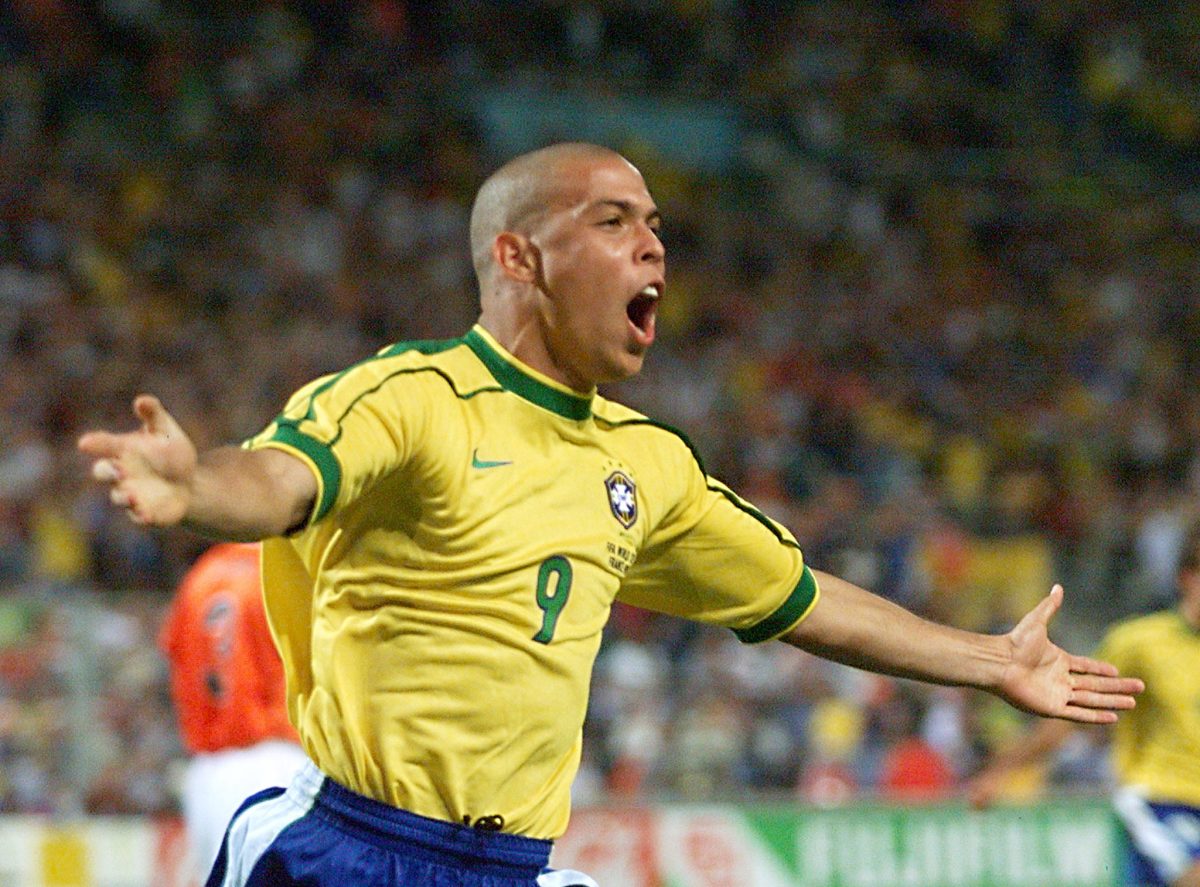
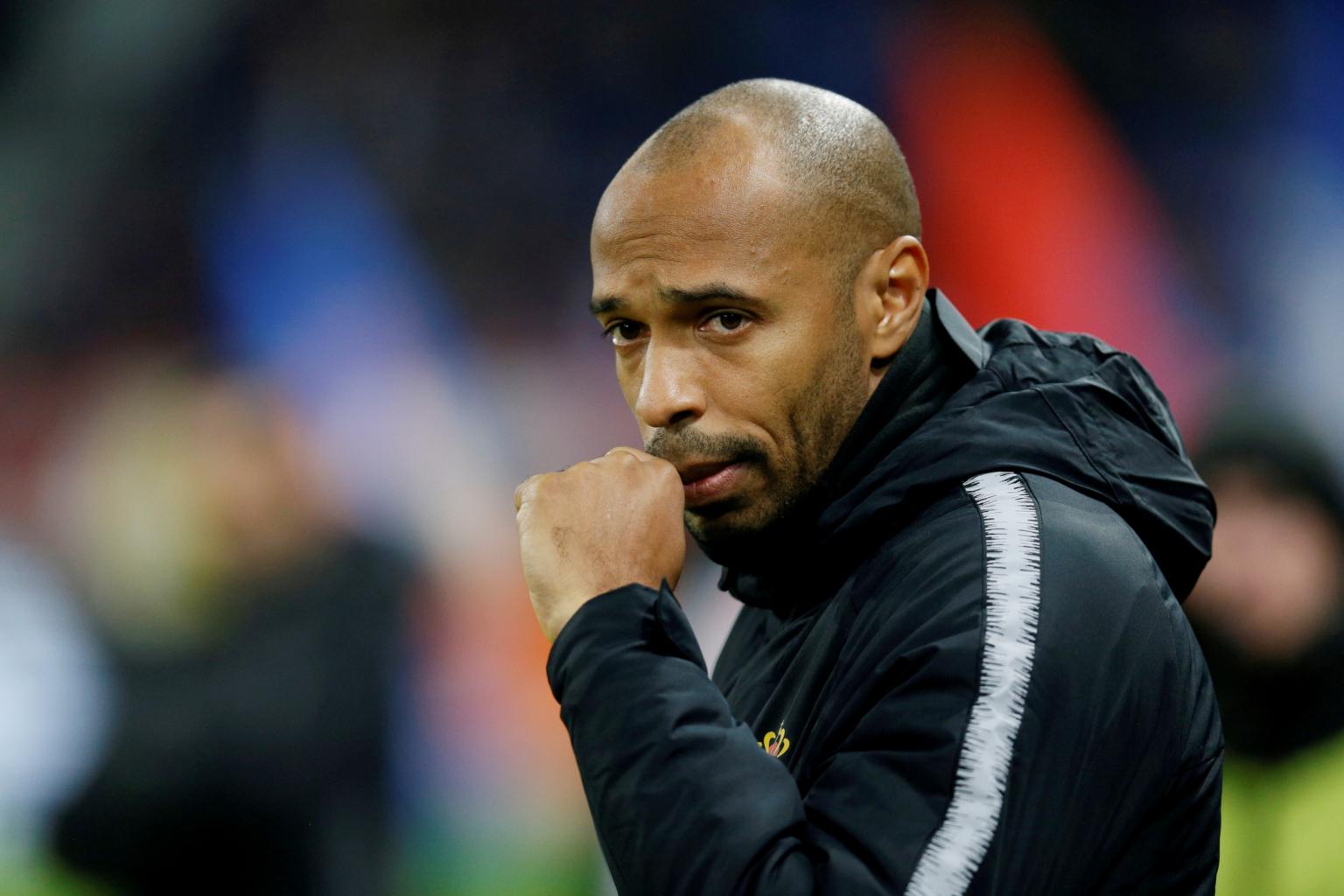
Gabriel Batistuta vs Rio Ferdinand: Stats Compared
Striker, Argentina (born 1969, retired 2005) · Centre-Back, England (born 1978, retired 2015)
Gabriel Batistuta and Rio Ferdinand represent two answers to the same question: how do you define a great? Separated by their years at the top, each defined the football of their own generation. The raw numbers read 356 goals in 633 outings for Gabriel Batistuta (0.56/game), versus 23 in 784 for Rio Ferdinand (0.03/game). Assists were never formally recorded across most of their eras, so the playmaking dimension has to be judged on reputation and highlights rather than hard totals. In major honours Gabriel Batistuta collected 9 — headlined by 1× Copa América (1991) — whereas Rio Ferdinand amassed 11, led by 1× UEFA Champions League (2008). Gabriel Batistuta belonged to the 1990s, dominating with a predatory quality; Rio Ferdinand rose in the turn of the millennium with a anticipatory edge. Their routes to the top were distinct: Gabriel Batistuta built his reputation across River Plate, Fiorentina, Roma, peaking around 1998, while Rio Ferdinand reached his defining level around 2008 after spells with West Ham, Leeds United, Manchester United, Queens Park Rangers. Whichever side you land on, both belong in any conversation about the finest of their generation.
188 words · comparison angle: era
Player profiles
Gabriel Omar Batistuta is an Argentine former professional footballer. During his playing career, Batistuta was nicknamed Batigol as well as El Ángel Gabriel (; Spanish for Angel Gabriel). Regarded as one of the best strikers of all time, he was named by Pelé in the FIFA 100 list of the world's greatest living players in 2004.
“A devastating centre-forward whose power, heading and shooting defined the classic number nine.”
English centre-back and the world's most expensive defender when he joined Manchester United in 2002; six-time Premier League winner.
“A ball-playing, athletic centre-back whose pace and recovery underpinned Manchester United's defence.”
Head-to-head stats
Career goals by season
Representative career seasons — goals per season for each player across their documented clubs.
Attribute radar
Attribute ratings are peak-era, 0–100. Different positions naturally skew the profile.
Attribute comparison
Trophy breakdown
- 1× Copa América (1991)
- 1× UEFA Champions League (2008)
- 6× Premier League (2003, 2007, 2008, 2009, 2011, 2013)
- 3× EFL Cup (2006, 2009, 2010)
- 1× FIFA Club World Cup (2008)
Trophy distribution
Career milestones
- 1990 Established himself at River Plate
- 1994 Reached his defining peak
- 1998 Delivered a landmark season
- 2005 Retired from professional football
- 1995 West Ham debut
- 1996 Loan to Bournemouth
- 2000 Signed for Leeds for a record defender fee
- 2002 Joined Manchester United for a record British fee
- 2008 Champions League winner in Moscow
- 2011 Succeeded Ryan Giggs as Manchester United captain briefly
- 2014 Left Manchester United for Queens Park Rangers
The verdict
On balance Rio Ferdinand edges the comparison. The margin is a clear margin, decided mostly by remarkable longevity.
Rio Ferdinand edges it (a clear margin)