
Ronaldo Nazário vs Gabriel Batistuta: Stats Compared
Striker, Brazil (born 1976, retired 2011) · Striker, Argentina (born 1969, retired 2005)
Ronaldo Nazário and Gabriel Batistuta represent two answers to the same question: how do you define a great? Trophies, more than goals, are how most supporters ultimately remember a career. By the end Ronaldo Nazário had 414 goals from 618 caps and club outings; Gabriel Batistuta had 356 from 633. Reliable assist tallies simply do not exist for large stretches of their careers, leaving creativity to the eye rather than the spreadsheet. Trophy counts give Ronaldo Nazário 8 and Gabriel Batistuta 9, with 2× FIFA World Cup (1994, 2002) and 1× Copa América (1991) the standout honours respectively. One lifted trophies through ruthless reliability, the other through ruthless moments that decided finals. The wider career context matters too: Ronaldo Nazário peaked around 2002 after representing Cruzeiro, PSV, Barcelona, Inter Milan, Real Madrid, AC Milan, Corinthians, while Gabriel Batistuta's defining level came around 1998 across River Plate, Fiorentina, Roma. Rank them how you like — both names are carved into the sport's permanent record.
163 words · comparison angle: trophies
Player profiles
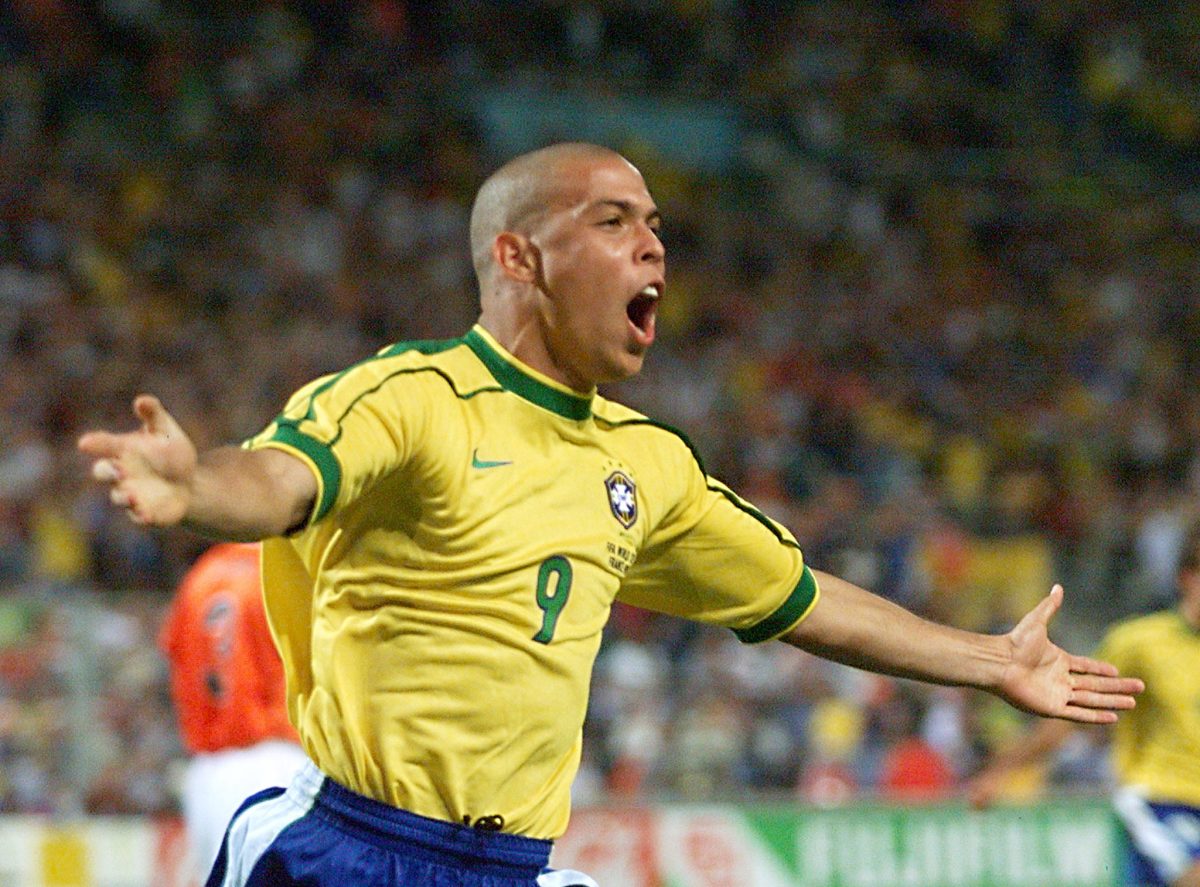
Brazilian striker who won two World Cups and is widely considered one of the most complete forwards in history; back-to-back Ballon d'Or winner in 1997 and 2002.
“An explosive, two-footed striker blending raw pace, finishing and clinical dribbling at full speed.”
Gabriel Omar Batistuta is an Argentine former professional footballer. During his playing career, Batistuta was nicknamed Batigol as well as El Ángel Gabriel (; Spanish for Angel Gabriel). Regarded as one of the best strikers of all time, he was named by Pelé in the FIFA 100 list of the world's greatest living players in 2004.
“A devastating centre-forward whose power, heading and shooting defined the classic number nine.”
Head-to-head stats
Career goals by season
Representative career seasons — goals per season for each player across their documented clubs.
Attribute radar
Attribute ratings are peak-era, 0–100. Different positions naturally skew the profile.
Attribute comparison
Trophy breakdown
- 2× FIFA World Cup (1994, 2002)
- 2× Copa América (1997, 1999)
- 1× FIFA Confederations Cup (1997)
- 1× UEFA Cup (1998)
- 1× UEFA Cup Winners' Cup (1997)
- 1× La Liga (2003)
- 1× Copa América (1991)
Trophy distribution
Career milestones
- 1993 Professional debut for Cruzeiro aged 16
- 1994 Joined PSV and was a World Cup squad member
- 1996 World-record transfer to Barcelona
- 1997 World-record transfer to Inter Milan
- 2002 Top scorer and World Cup winner in Japan/Korea
- 2003 Joined Real Madrid's Galácticos
- 2011 Retired at Corinthians
- 1990 Established himself at River Plate
- 1994 Reached his defining peak
- 1998 Delivered a landmark season
- 2005 Retired from professional football
The verdict
Reasonable people will disagree, but Ronaldo Nazário wins out by a clear margin on the weight of a sharper goalscoring record.
Ronaldo Nazário edges it (a clear margin)