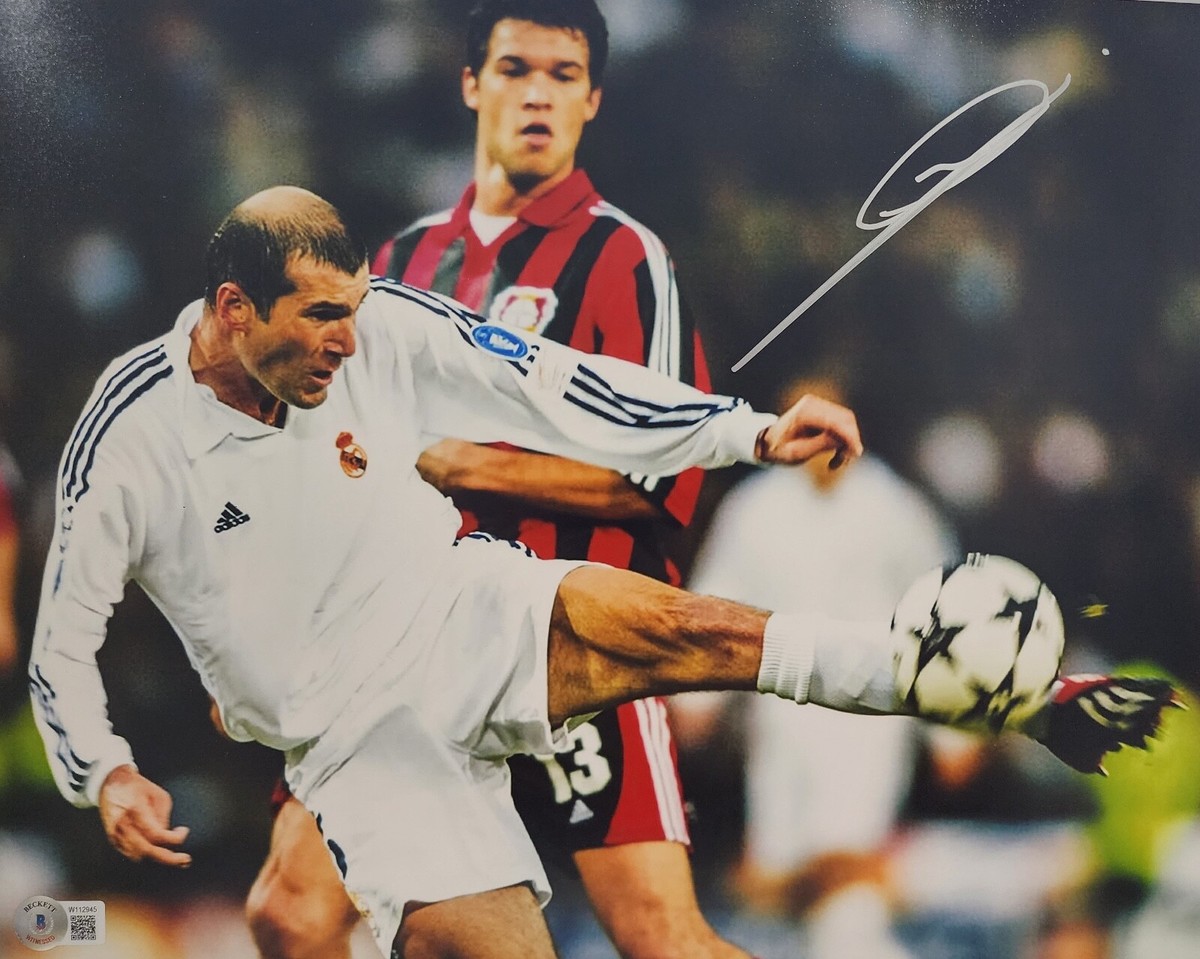
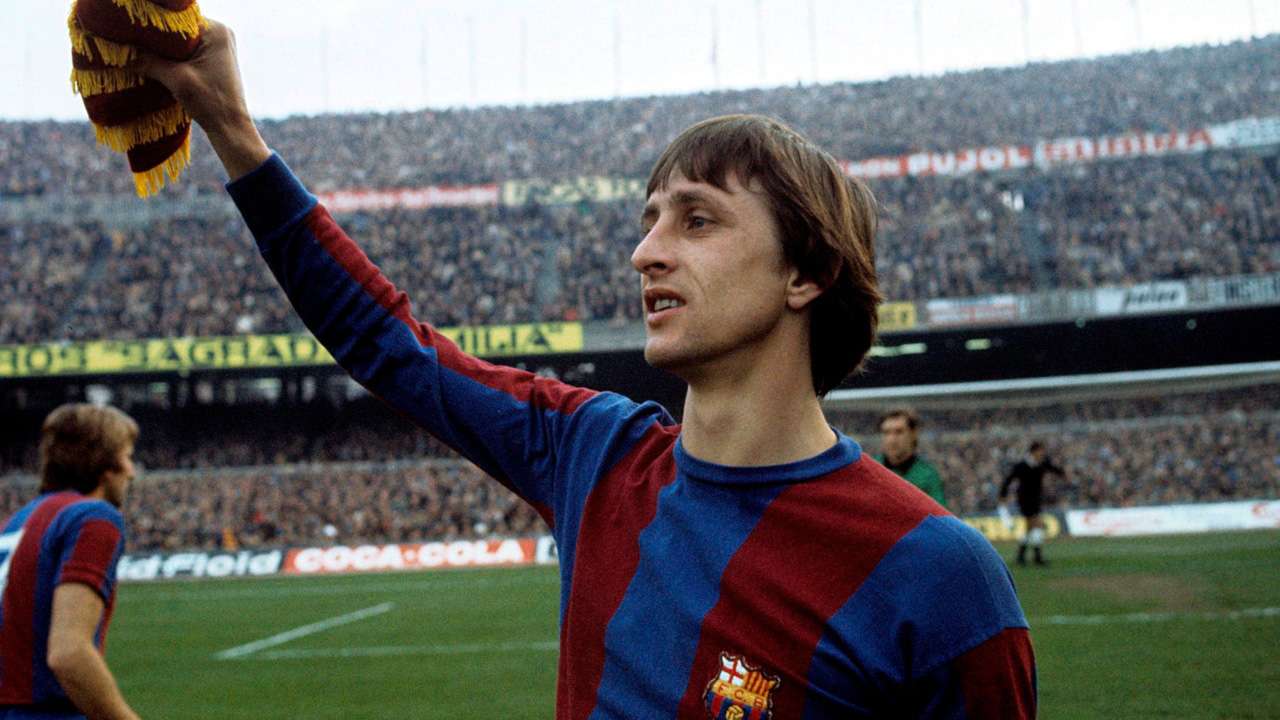
Dunga vs Jorge Campos: Stats Compared
Defensive Midfielder, Brazil (born 1963, retired 1998) · Goalkeeper, Mexico (born 1966, retired 2004)
Dunga against Jorge Campos is the kind of comparison that fuels pub arguments for hours. Era matters in any comparison, and these two peaked under very different footballing conditions. Dunga finishes with 60 career goals from 687 games — a 0.09 strike rate — against Jorge Campos's 40 from 686 at 0.06 per match. Because assists were not systematically tracked for much of their time, that side of the comparison rests on the footage that survives. Dunga departs the game with 8 major pieces of silverware, including 1× FIFA World Cup (1994); Jorge Campos with 8, including 1× Mexican Primera División. Dunga belonged to the 1990s, dominating with a incisive quality; Jorge Campos rose in the 1990s with a reflex-sharp edge. Context beyond the headline totals is important: Dunga's landmark level arrived around 1994 with a career spanning Vasco da Gama, Fiorentina, Stuttgart, Júbilo Iwata; Jorge Campos's came around 1991 across Pumas UNAM, Atlante, Cruz Azul. Greatness, in cases like this, is rarely a zero-sum affair.
166 words · comparison angle: era
Player profiles
Carlos Caetano Bledorn Verri (born 31 October 1963), commonly known as Dunga, is a Brazilian football manager and former professional player. Considered one of the greatest defensive midfielders of all time, as a player, he was known for his technique, athleticism, passing range, solid tackles and first touch. Under the captaincy Dunga took from Raí, Brazil won the 1994 FIFA World Cup and became runners-up of the following edition.
“A disciplined captain whose tackling, structure and fierce standards gave Brazil balance.”
Jorge Campos Navarrete (born 15 October 1966) is a Mexican professional football coach and player who plays as a goalkeeper for Tercera Federación – Group 7 club México FC. A notable player of Mexico in the 1990s and early 2000s, Campos was an eccentric player, known for his constant play outside the penalty area – often functioning as a sweeper-keeper, as well as his acrobatic, risky, and flamboyant style of goalkeeping, and his colourful playing attire. His main strengths as a goalkeeper were his leaping ability, athleticism, and speed when rushing off his line, as well as his ability to organize his defense, which enabled him to overcome his short stature.
“A fearless, undersized goalkeeper who compensated with spring, bravery and unusual footwork.”
Head-to-head stats
Career goals by season
Representative career seasons — goals per season for each player across their documented clubs.
Attribute radar
Attribute ratings are peak-era, 0–100. Different positions naturally skew the profile.
Attribute comparison
Trophy breakdown
- 1× FIFA World Cup (1994)
- 1× Mexican Primera División
Trophy distribution
Career milestones
- 1986 Established himself at Vasco da Gama
- 1990 Reached his defining peak
- 1994 Delivered a landmark season
- 1998 Retired from professional football
- 1983 Established himself at Pumas UNAM
- 1987 Reached his defining peak
- 1991 Delivered a landmark season
- 2004 Retired from professional football
The verdict
Weighing production against honours, Dunga takes the verdict — a clear margin, driven by a stronger all-round attribute profile.
Dunga edges it (a clear margin)