Dunga vs Andriy Shevchenko: Stats Compared
Defensive Midfielder, Brazil (born 1963, retired 1998) · Striker, Ukraine (born 1976, retired 2012)
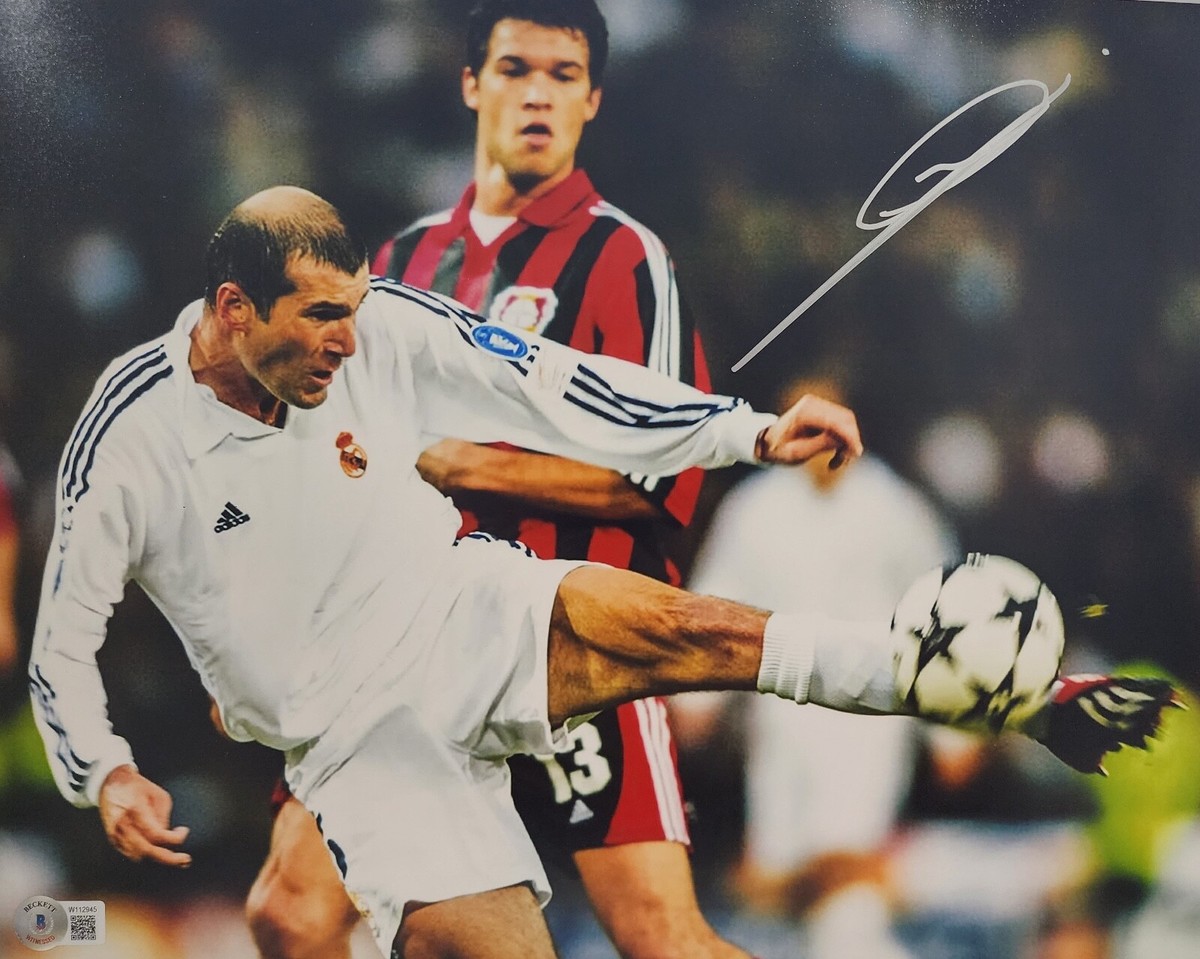
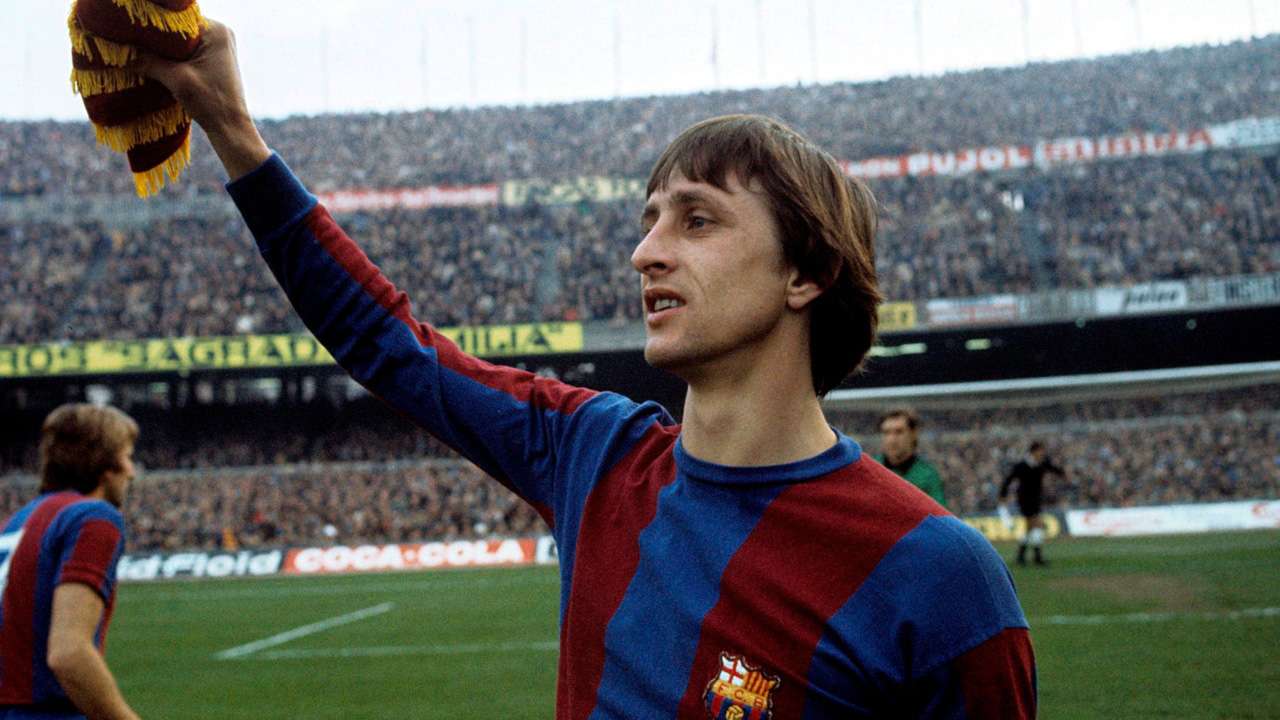
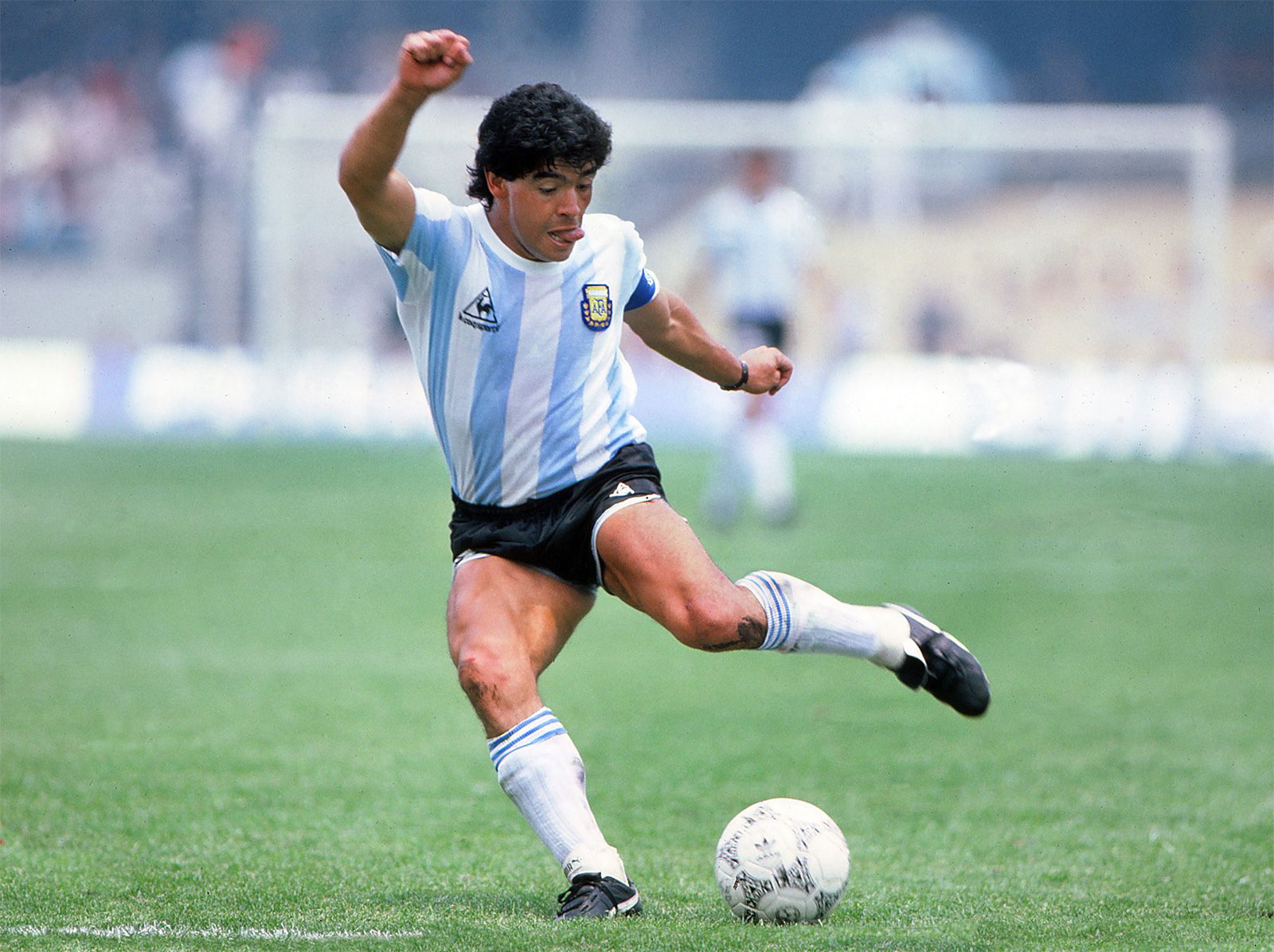
Comparing Dunga with Andriy Shevchenko means weighing two very different kinds of greatness. Style separates them as much as statistics: two players, two unmistakable signatures. Across his senior career Dunga notched 60 goals in 687 appearances (0.09 per game), while Andriy Shevchenko recorded 369 in 803 (0.46 per game). Assists were never formally recorded across most of their eras, so the playmaking dimension has to be judged on reputation and highlights rather than hard totals. Dunga departs the game with 8 major pieces of silverware, including 1× FIFA World Cup (1994); Andriy Shevchenko with 9, including 1× UEFA Champions League (2003). Dunga played with a creative that made him unmistakable; Andriy Shevchenko brought a clinical that was equally his own. Their routes to the top were distinct: Dunga built his reputation across Vasco da Gama, Fiorentina, Stuttgart, Júbilo Iwata, peaking around 1994, while Andriy Shevchenko reached his defining level around 2003 after spells with Dynamo Kyiv, AC Milan, Chelsea. Arguments will run and run, which is exactly why the matchup endures.
171 words · comparison angle: style
Player profiles
Carlos Caetano Bledorn Verri (born 31 October 1963), commonly known as Dunga, is a Brazilian football manager and former professional player. Considered one of the greatest defensive midfielders of all time, as a player, he was known for his technique, athleticism, passing range, solid tackles and first touch. Under the captaincy Dunga took from Raí, Brazil won the 1994 FIFA World Cup and became runners-up of the following edition.
“A disciplined captain whose tackling, structure and fierce standards gave Brazil balance.”
Ukrainian striker and Dynamo Kyiv legend, Champions League winner with AC Milan in 2003; Ballon d'Or winner in 2004.
“A clinical, explosive striker with pace, finishing and an eye for European nights.”
Head-to-head stats
Career goals by season
Representative career seasons — goals per season for each player across their documented clubs.
Attribute radar
Attribute ratings are peak-era, 0–100. Different positions naturally skew the profile.
Attribute comparison
Trophy breakdown
- 1× FIFA World Cup (1994)
- 1× UEFA Champions League (2003)
- 1× Serie A (2004)
- 1× UEFA Super Cup (2003)
- 5× Ukrainian Premier League
- 1× Ukrainian Cup
Trophy distribution
Career milestones
- 1986 Established himself at Vasco da Gama
- 1990 Reached his defining peak
- 1994 Delivered a landmark season
- 1998 Retired from professional football
- 1994 Dynamo Kyiv debut
- 1997 Hat-trick in the Champions League against Barcelona
- 1999 Signed for AC Milan
- 2003 Champions League winner, scored in the final on penalties
- 2004 Ballon d'Or winner
- 2006 Joined Chelsea in an unsuccessful spell
- 2009 Returned to Dynamo Kyiv
The verdict
If forced to pick, Andriy Shevchenko is the choice: a narrow margin, with a sharper goalscoring record the deciding factor.
Andriy Shevchenko edges it (a narrow margin)