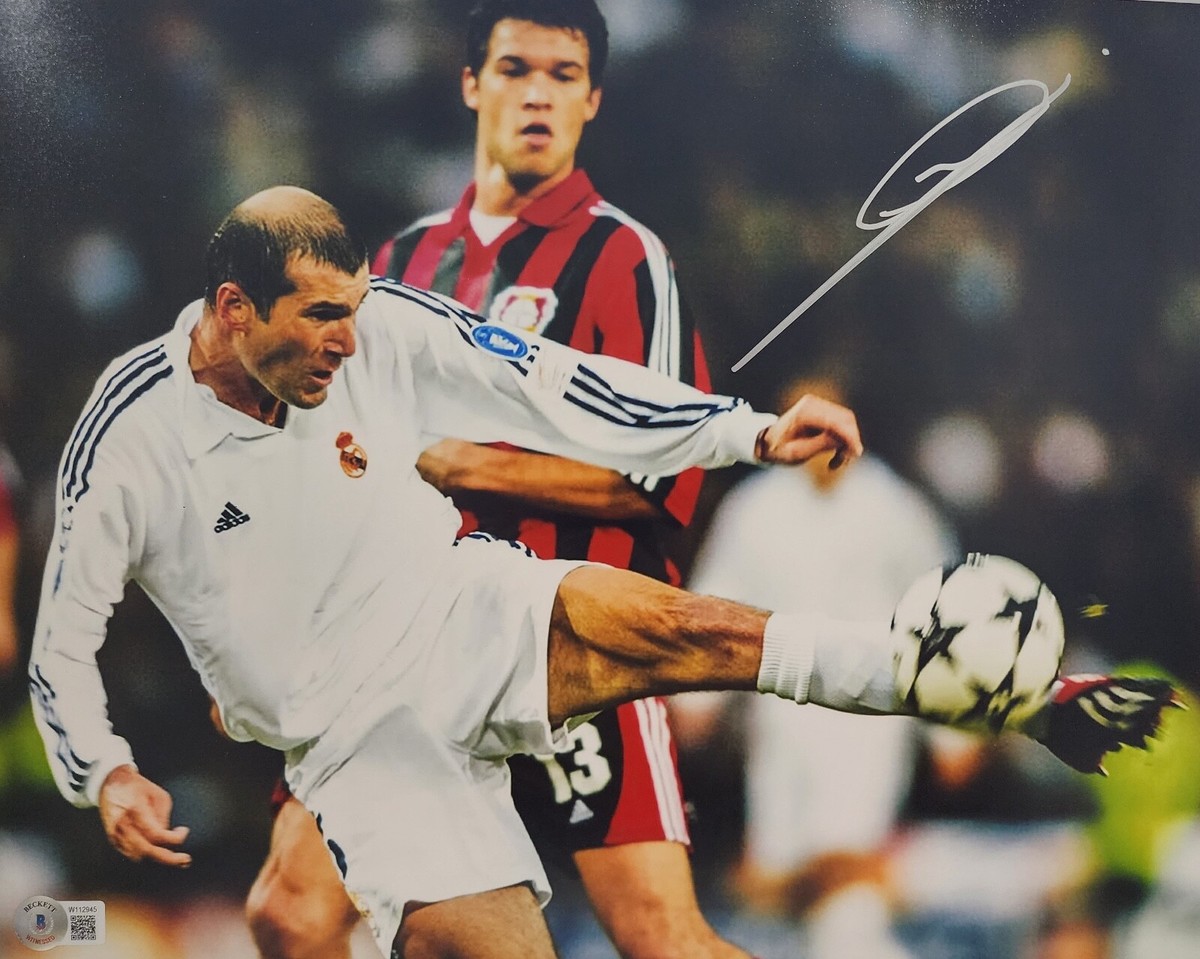
Rio Ferdinand vs Gary Neville: Stats Compared
Centre-Back, England (born 1978, retired 2015) · Right-Back, England (born 1975, retired 2011)
The Rio Ferdinand–Gary Neville comparison is one of those fixtures of footballing folklore. Comparing across positions is never straightforward, and these two asked different questions of opponents. Rio Ferdinand finishes with 23 career goals from 784 games — a 0.03 strike rate — against Gary Neville's 7 from 602 at 0.01 per match. Assists were not reliably tracked for much of their careers, which makes the playmaking comparison an imperfect one; where records exist, Rio Ferdinand is credited with 0 and Gary Neville with 40. The honours ledger favours Rio Ferdinand with 11 major trophies (1× UEFA Champions League (2008)) against Gary Neville's 13 (8× Premier League (1996, 1997, 1999, 2000, 2001, 2003, 2007, 2008)). The centre-back duties of Rio Ferdinand leaned resolute; the right-back responsibilities of Gary Neville leaned resolute. Their routes to the top were distinct: Rio Ferdinand built his reputation across West Ham, Leeds United, Manchester United, Queens Park Rangers, peaking around 2008, while Gary Neville reached his defining level around 1999 after spells with Manchester United. Rank them how you like — both names are carved into the sport's permanent record.
185 words · comparison angle: role
Player profiles
English centre-back and the world's most expensive defender when he joined Manchester United in 2002; six-time Premier League winner.
“A ball-playing, athletic centre-back whose pace and recovery underpinned Manchester United's defence.”
A one-club man over nineteen years, Neville was the reliable, fiercely competitive right-back of Manchester United's most decorated era, later becoming a leading broadcaster.
“A disciplined, tactically intelligent full-back whose positioning and consistency mattered more than flair.”
Head-to-head stats
Career goals by season
Representative career seasons — goals per season for each player across their documented clubs.
Attribute radar
Attribute ratings are peak-era, 0–100. Different positions naturally skew the profile.
Attribute comparison
Trophy breakdown
- 1× UEFA Champions League (2008)
- 6× Premier League (2003, 2007, 2008, 2009, 2011, 2013)
- 3× EFL Cup (2006, 2009, 2010)
- 1× FIFA Club World Cup (2008)
- 8× Premier League (1996, 1997, 1999, 2000, 2001, 2003, 2007, 2008)
- 3× FA Cup (1996, 1999, 2004)
- 2× UEFA Champions League (1999, 2008)
Trophy distribution
Career milestones
- 1995 West Ham debut
- 1996 Loan to Bournemouth
- 2000 Signed for Leeds for a record defender fee
- 2002 Joined Manchester United for a record British fee
- 2008 Champions League winner in Moscow
- 2011 Succeeded Ryan Giggs as Manchester United captain briefly
- 2014 Left Manchester United for Queens Park Rangers
- 1992 Professional debut for Manchester United
- 1996 Won Premier League with Manchester United
- 1999 Won UEFA Champions League with Manchester United
- 1999 Reached the peak of his powers at Manchester United
- 2011 Retired after a final spell at Manchester United
- Finished his career with 7 goals in 602 appearances and 13 major honours. Finished his career with 7 goals in 602 appearances and 13 major honours.
The verdict
If forced to pick, Rio Ferdinand is the choice: a decisive margin, with a stronger all-round attribute profile the deciding factor.
Rio Ferdinand edges it (a decisive margin)