Roberto Carlos vs Rio Ferdinand: Stats Compared
Left-Back, Brazil (born 1973, retired 2015) · Centre-Back, England (born 1978, retired 2015)
Few debates split football fans quite like Roberto Carlos versus Rio Ferdinand. Reputations harden into legacies, and few careers cast longer shadows than these two. Roberto Carlos finishes with 113 career goals from 875 games — a 0.13 strike rate — against Rio Ferdinand's 23 from 784 at 0.03 per match. Because assists were not systematically tracked for much of their time, that side of the comparison rests on the footage that survives. Roberto Carlos departs the game with 9 major pieces of silverware, including 3× UEFA Champions League (1998, 2000, 2002); Rio Ferdinand with 11, including 1× UEFA Champions League (2008). Their legacies diverge in texture: Roberto Carlos is remembered as resolute, Rio Ferdinand as resolute. The wider career context matters too: Roberto Carlos peaked around 2002 after representing Palmeiras, Inter Milan, Real Madrid, Fenerbahçe, while Rio Ferdinand's defining level came around 2008 across West Ham, Leeds United, Manchester United, Queens Park Rangers. Rank them how you like — both names are carved into the sport's permanent record.
169 words · comparison angle: legacy
Player profiles
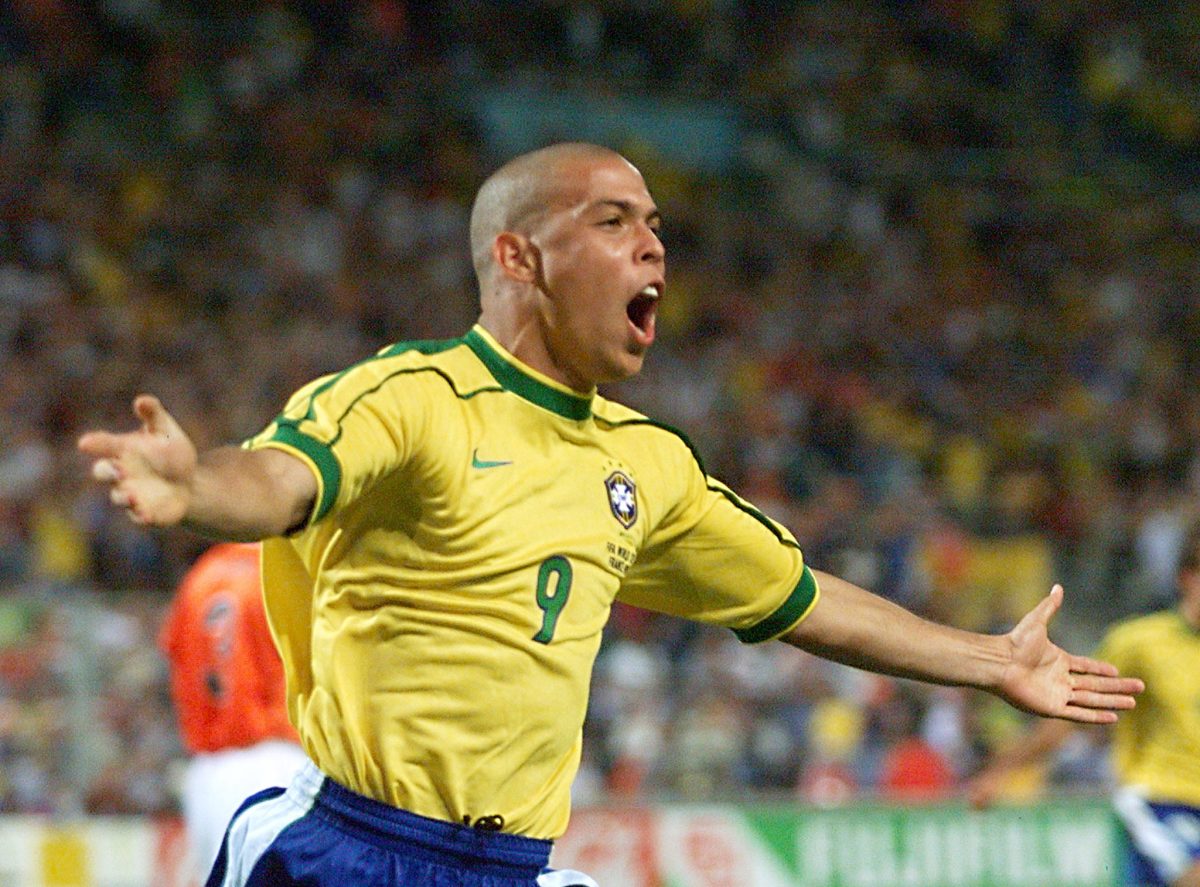
Roberto Carlos da Silva Rocha (born 10 April 1973), often known simply as Roberto Carlos, is a Brazilian former professional footballer. He has been described as one of the most attack-minded left-backs in football history and one of the greatest full-backs ever. He finished runner-up for the FIFA World Player of the Year in 1997 and for the Ballon d’Or in 2002.
“A rocket-footed full-back who combined recovery speed, overlapping runs and impossible free kicks.”
English centre-back and the world's most expensive defender when he joined Manchester United in 2002; six-time Premier League winner.
“A ball-playing, athletic centre-back whose pace and recovery underpinned Manchester United's defence.”
Head-to-head stats
Career goals by season
Representative career seasons — goals per season for each player across their documented clubs.
Attribute radar
Attribute ratings are peak-era, 0–100. Different positions naturally skew the profile.
Attribute comparison
Trophy breakdown
- 3× UEFA Champions League (1998, 2000, 2002)
- 1× UEFA Champions League (2008)
- 6× Premier League (2003, 2007, 2008, 2009, 2011, 2013)
- 3× EFL Cup (2006, 2009, 2010)
- 1× FIFA Club World Cup (2008)
Trophy distribution
Career milestones
- 1994 Established himself at Palmeiras
- 1998 Reached his defining peak
- 2002 Delivered a landmark season
- 2015 Retired from professional football
- 1995 West Ham debut
- 1996 Loan to Bournemouth
- 2000 Signed for Leeds for a record defender fee
- 2002 Joined Manchester United for a record British fee
- 2008 Champions League winner in Moscow
- 2011 Succeeded Ryan Giggs as Manchester United captain briefly
- 2014 Left Manchester United for Queens Park Rangers
The verdict
Weighing production, silverware and profile, the two finish within a whisker of each other. Call it a respectful draw — greatness of this calibre resists a single winner.
Too close to call — a respectful draw