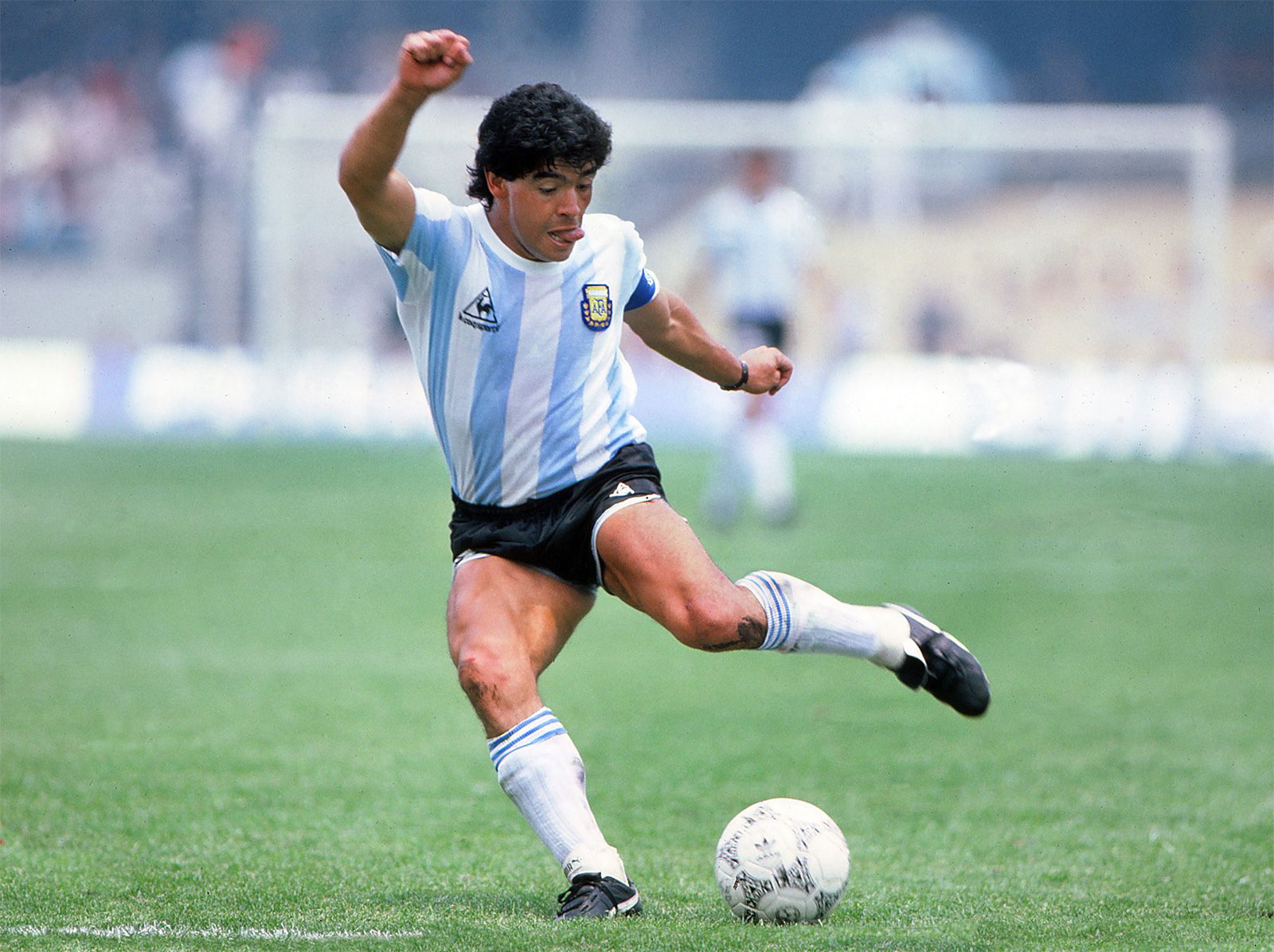
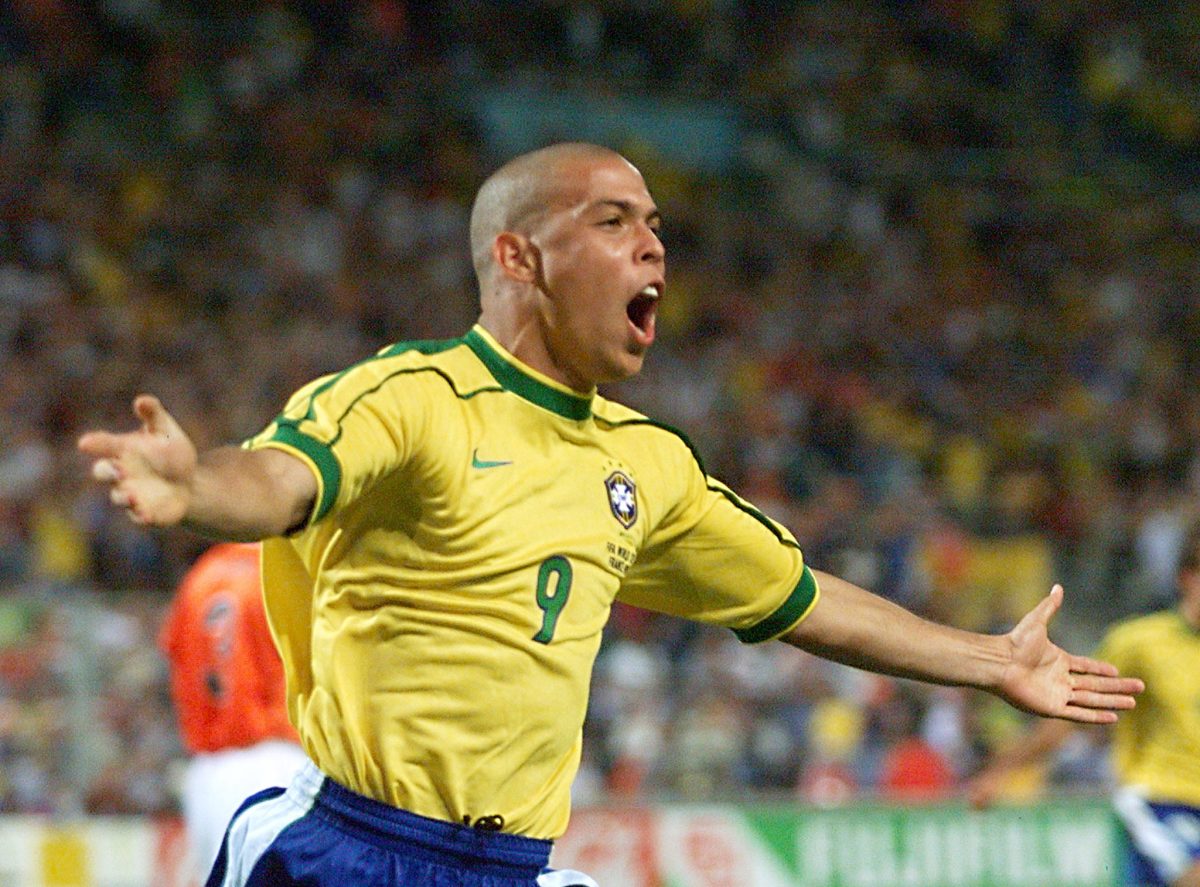
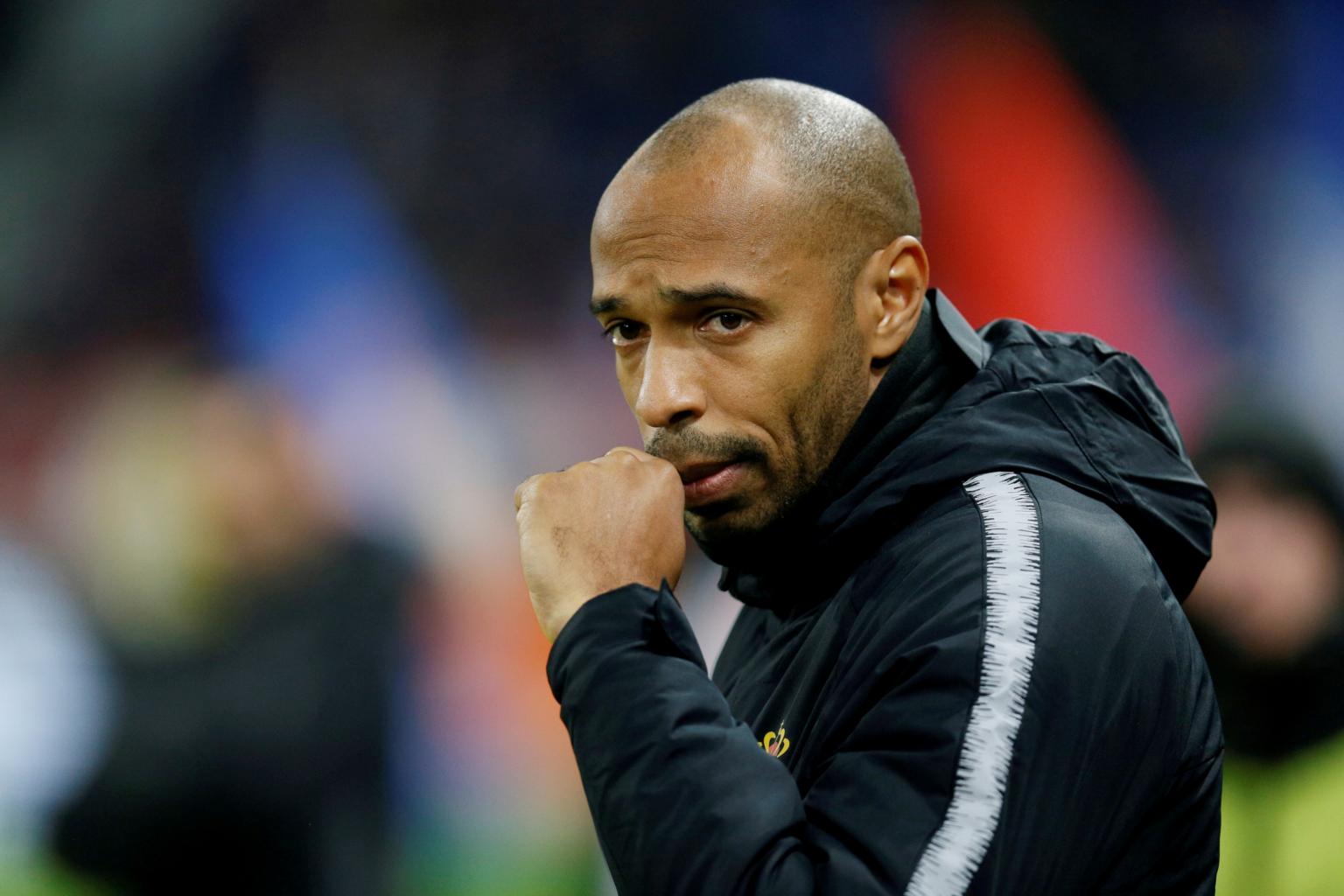
Gerd Müller vs Nicolas Anelka: Stats Compared
Striker, Germany (born 1945, retired 1982) · Striker, France (born 1979, retired 2015)
There is something timeless about weighing Gerd Müller against Nicolas Anelka. They belonged to different eras, which makes any direct comparison a test of imagination as much as statistics. Gerd Müller finishes with 735 career goals from 793 games — a 0.93 strike rate — against Nicolas Anelka's 300 from 800 at 0.38 per match. Assists were not reliably tracked for much of their careers, which makes the playmaking comparison an imperfect one; where records exist, Gerd Müller is credited with 0 and Nicolas Anelka with 90. The honours ledger favours Gerd Müller with 9 major trophies (1× FIFA World Cup (1974)) against Nicolas Anelka's 4 (2× Premier League (1998, 2010)). Across the 1970s and the turn of the millennium respectively, their explosive and explosive styles captured the spirit of very different footballing times. Club journeys add another layer, with Gerd Müller reaching his representative peak around 1970 across Bayern Munich, Fort Lauderdale Strikers and Nicolas Anelka doing so around 2009 with Paris Saint-Germain, Arsenal, Real Madrid, Paris Saint-Germain, Manchester City, Fenerbahçe, Bolton Wanderers, Chelsea, Shanghai Shenhua, West Bromwich Albion, Mumbai City. The honest conclusion is that comparison enriches appreciation rather than crowns a single winner.
196 words · comparison angle: era
Player profiles
Gerhard Müller was a German professional footballer. A prolific striker, especially in and around the six-yard box, he is widely regarded as one of the greatest goalscorers and players in the history of the sport. With success at both the club level and the international level, he is one of eleven players to have won the FIFA World Cup, the UEFA Champions League and the Ballon d'Or.
“A penalty-box master whose movement and finishing turned half-chances into goals.”
A supremely talented but nomadic French striker, Anelka won titles in four different countries, culminating in Chelsea's 2012 Champions League triumph.
“A quick, clinical striker with excellent movement in behind, though a reputation for a wandering, restless career.”
Head-to-head stats
Career goals by season
Representative career seasons — goals per season for each player across their documented clubs.
Attribute radar
Attribute ratings are peak-era, 0–100. Different positions naturally skew the profile.
Attribute comparison
Trophy breakdown
- 1× FIFA World Cup (1974)
- 2× Premier League (1998, 2010)
- 1× La Liga (2000)
- 1× UEFA Champions League (2012)
Trophy distribution
Career milestones
- 1962 Established himself at Bayern Munich
- 1966 Reached his defining peak
- 1970 Delivered a landmark season
- 1982 Retired from professional football
- 1995 Professional debut for Paris Saint-Germain
- 1998 Won Premier League with Arsenal
- 2012 Won UEFA Champions League with Chelsea
- 2009 Reached the peak of his powers at Chelsea
- 2015 Retired after a final spell at Mumbai City
- Finished his career with 300 goals in 800 appearances and 4 major honours. Finished his career with 300 goals in 800 appearances and 4 major honours.
The verdict
The numbers give Gerd Müller the lead — a decisive margin, courtesy of a sharper goalscoring record.
Gerd Müller edges it (a decisive margin)