Gerd Müller vs Rafael van der Vaart: Stats Compared
Striker, Germany (born 1945, retired 1982) · Attacking Midfielder, Netherlands (born 1983, retired 2018)
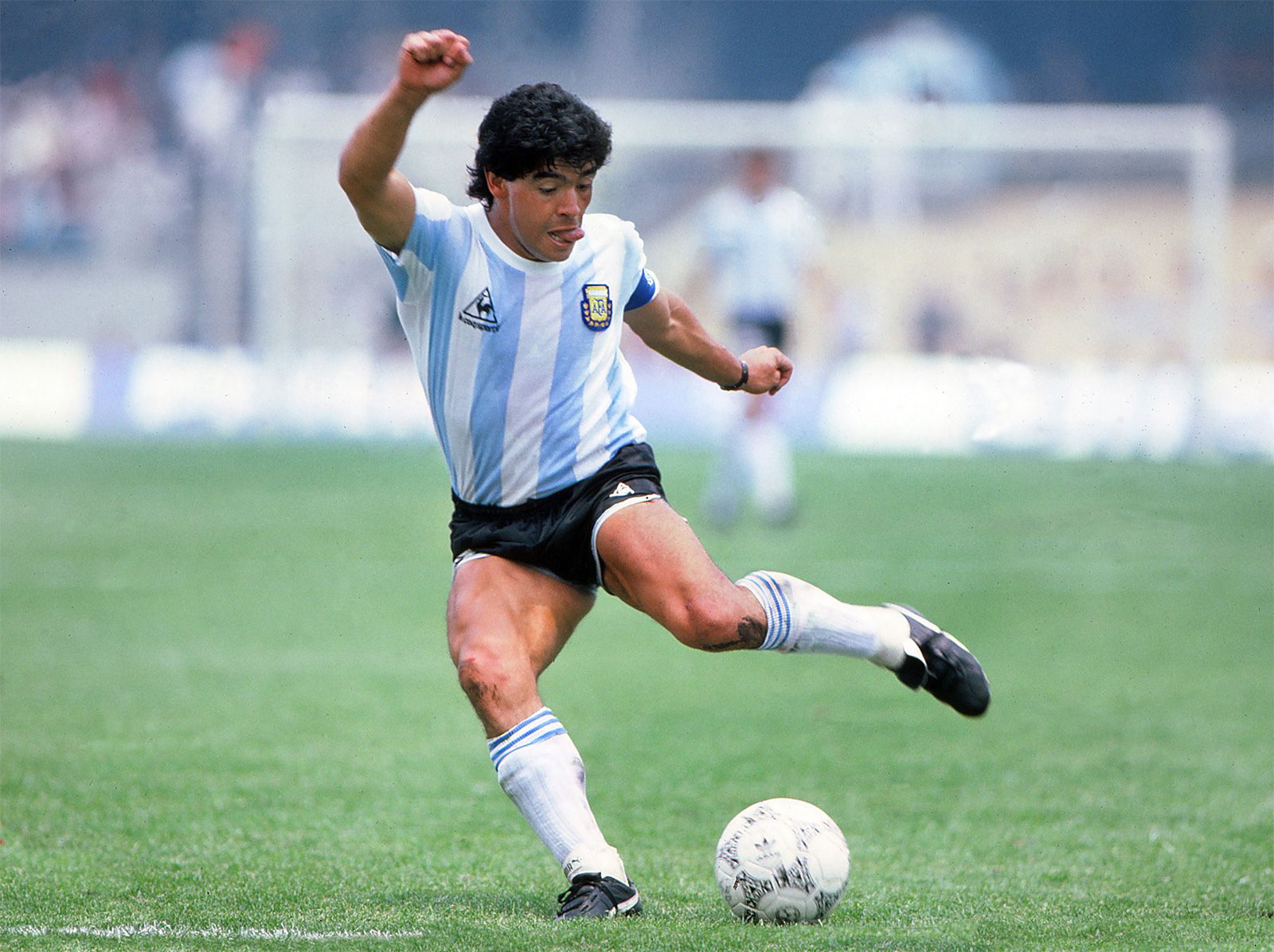
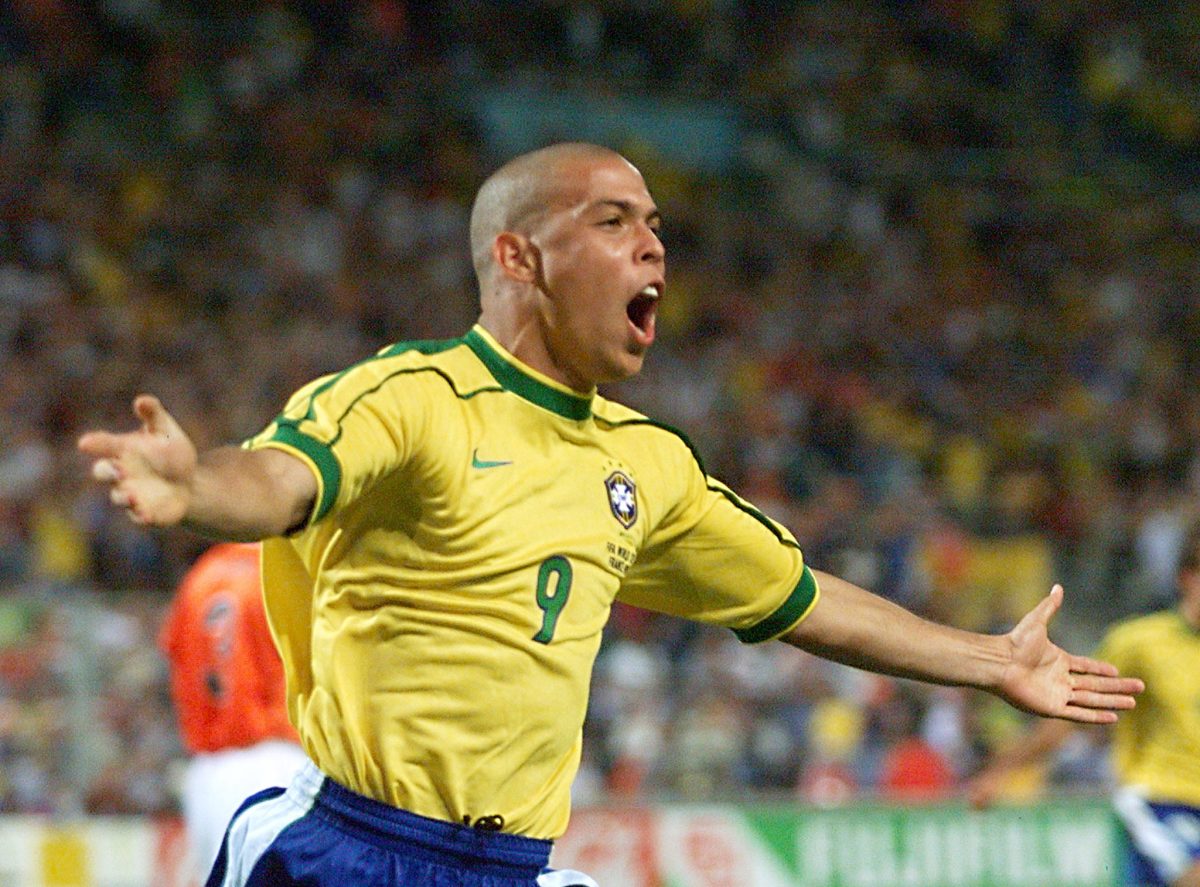
Gerd Müller versus Rafael van der Vaart is a clash of two unmistakable footballing identities. Era matters in any comparison, and these two peaked under very different footballing conditions. Career output puts Gerd Müller at 735 goals in 793 games, with Rafael van der Vaart at 180 in 600. Modern assist data only covers part of their careers, so creativity is hard to compare cleanly — Gerd Müller is listed at 0 and Rafael van der Vaart at 100 where figures survive. Gerd Müller departs the game with 9 major pieces of silverware, including 1× FIFA World Cup (1974); Rafael van der Vaart with 2, including 1× Eredivisie (2002). Gerd Müller belonged to the 1970s, dominating with a predatory quality; Rafael van der Vaart rose in the modern era with a incisive edge. Their routes to the top were distinct: Gerd Müller built his reputation across Bayern Munich, Fort Lauderdale Strikers, peaking around 1970, while Rafael van der Vaart reached his defining level around 2010 after spells with Ajax, Hamburger SV, Real Madrid, Tottenham Hotspur, Hamburger SV, Real Betis, FC Midtjylland. Few pairings invite such entrenched disagreement, and fewer still deserve it this much.
194 words · comparison angle: era
Player profiles
Gerhard Müller was a German professional footballer. A prolific striker, especially in and around the six-yard box, he is widely regarded as one of the greatest goalscorers and players in the history of the sport. With success at both the club level and the international level, he is one of eleven players to have won the FIFA World Cup, the UEFA Champions League and the Ballon d'Or.
“A penalty-box master whose movement and finishing turned half-chances into goals.”
A creative, elegant Dutch playmaker known for spectacular long-range volleys, Van der Vaart shone at Ajax, Real Madrid and Tottenham before a stellar return to Hamburg.
“A gifted attacking midfielder with a knack for scoring outrageous long-range strikes and threading incisive final passes.”
Head-to-head stats
Career goals by season
Representative career seasons — goals per season for each player across their documented clubs.
Attribute radar
Attribute ratings are peak-era, 0–100. Different positions naturally skew the profile.
Attribute comparison
Trophy breakdown
- 1× FIFA World Cup (1974)
- 1× Eredivisie (2002)
- 1× KNVB Cup (2002)
Trophy distribution
Career milestones
- 1962 Established himself at Bayern Munich
- 1966 Reached his defining peak
- 1970 Delivered a landmark season
- 1982 Retired from professional football
- 2000 Professional debut for Ajax
- 2002 Won Eredivisie with Ajax
- 2002 Won KNVB Cup with Ajax
- 2010 Reached the peak of his powers at Real Madrid
- 2018 Retired after a final spell at FC Midtjylland
- Finished his career with 180 goals in 600 appearances and 2 major honours. Finished his career with 180 goals in 600 appearances and 2 major honours.
The verdict
Reasonable people will disagree, but Gerd Müller wins out by a decisive margin on the weight of a sharper goalscoring record.
Gerd Müller edges it (a decisive margin)