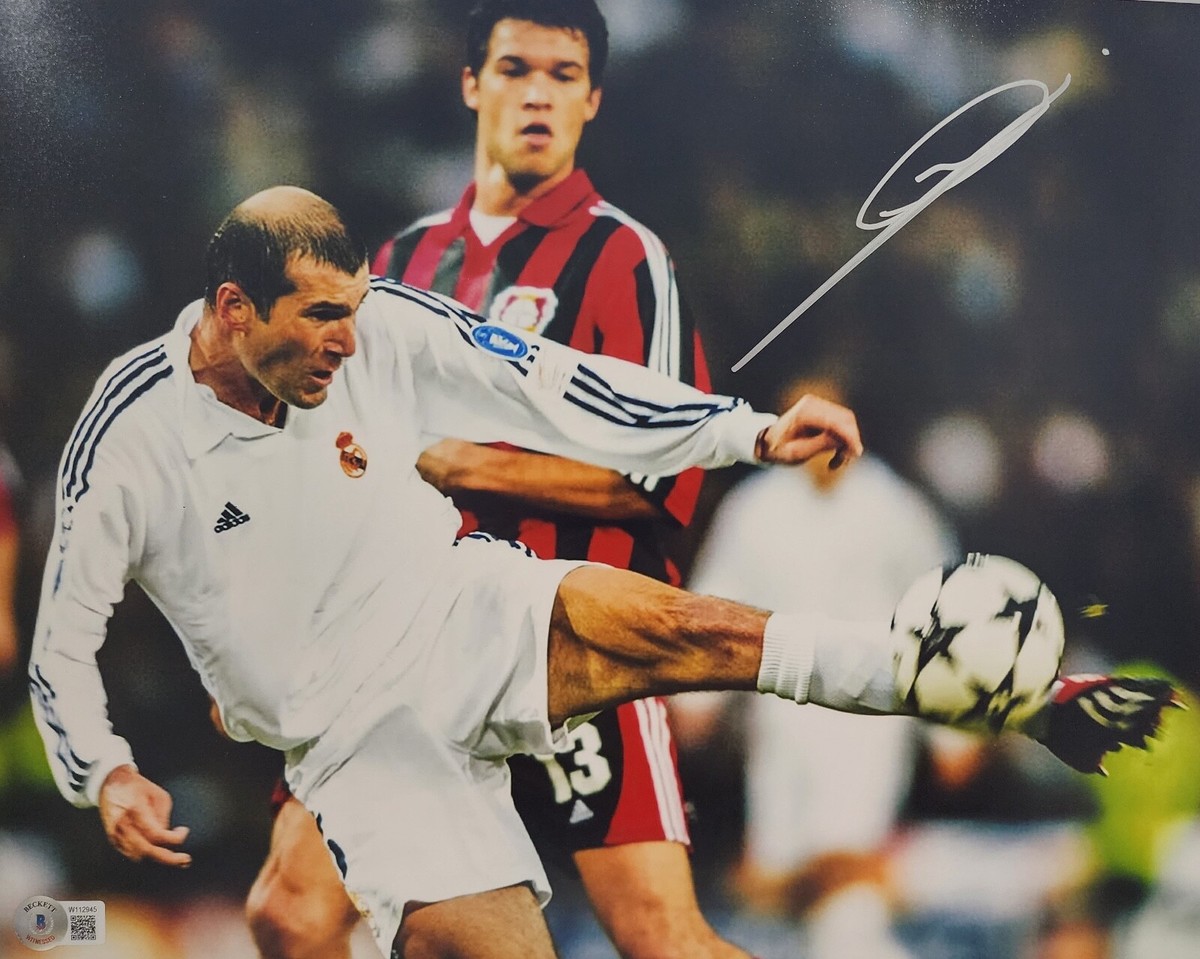
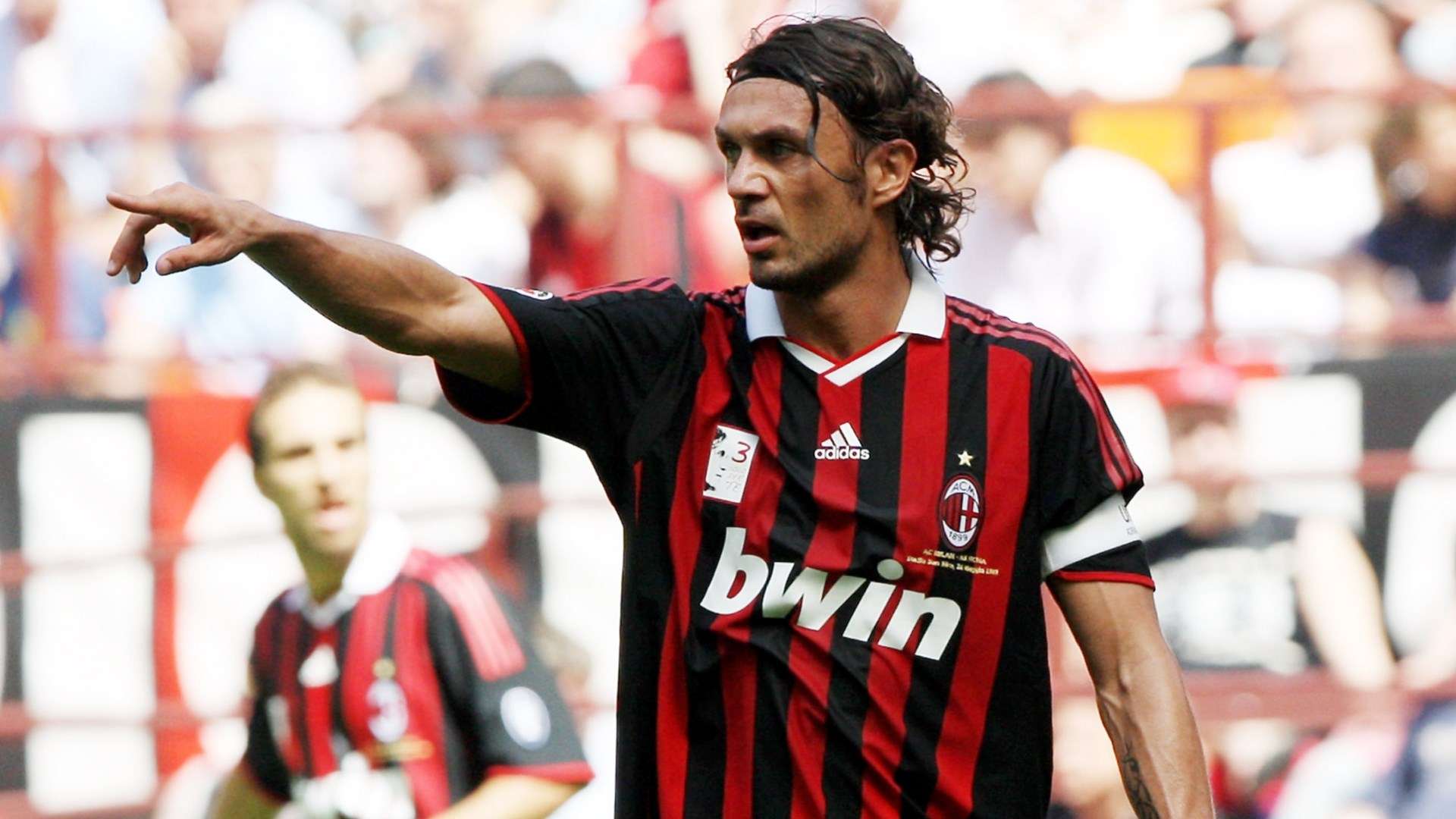
Roberto Carlos vs Fabio Cannavaro: Stats Compared
Left-Back, Brazil (born 1973, retired 2015) · Centre-Back, Italy (born 1973, retired 2011)
Ask any fan to rank Roberto Carlos above or below Fabio Cannavaro and you will get a passionate answer. Legacy is the only real measure that outlives the numbers, and both have staked towering claims. By the end Roberto Carlos had 113 goals from 875 caps and club outings; Fabio Cannavaro had 23 from 790. Reliable assist tallies simply do not exist for large stretches of their careers, leaving creativity to the eye rather than the spreadsheet. In major honours Roberto Carlos collected 9 — headlined by 3× UEFA Champions League (1998, 2000, 2002) — whereas Fabio Cannavaro amassed 7, led by 1× FIFA World Cup (2006). Their legacies diverge in texture: Roberto Carlos is remembered as rugged, Fabio Cannavaro as uncompromising. Context beyond the headline totals is important: Roberto Carlos's landmark level arrived around 2002 with a career spanning Palmeiras, Inter Milan, Real Madrid, Fenerbahçe; Fabio Cannavaro's came around 2006 across Napoli, Parma, Inter Milan, Juventus, Real Madrid, Al-Ahli. The honest conclusion is that comparison enriches appreciation rather than crowns a single winner.
174 words · comparison angle: legacy
Player profiles
Roberto Carlos da Silva Rocha (born 10 April 1973), often known simply as Roberto Carlos, is a Brazilian former professional footballer. He has been described as one of the most attack-minded left-backs in football history and one of the greatest full-backs ever. He finished runner-up for the FIFA World Player of the Year in 1997 and for the Ballon d’Or in 2002.
“A rocket-footed full-back who combined recovery speed, overlapping runs and impossible free kicks.”
Italian defender who captained Italy to the 2006 World Cup; 2006 Ballon d'Or winner, the last defender to win the award.
“A short-but-vocal centre-back whose anticipation and bravery won him the Ballon d'Or as a defender.”
Head-to-head stats
Career goals by season
Representative career seasons — goals per season for each player across their documented clubs.
Attribute radar
Attribute ratings are peak-era, 0–100. Different positions naturally skew the profile.
Attribute comparison
Trophy breakdown
- 3× UEFA Champions League (1998, 2000, 2002)
- 1× FIFA World Cup (2006)
- 2× La Liga (2007, 2008)
- 1× UEFA Cup (1999)
- 2× Coppa Italia (1999, 2002)
- 1× Supercoppa Italiana (1999)
Trophy distribution
Career milestones
- 1994 Established himself at Palmeiras
- 1998 Reached his defining peak
- 2002 Delivered a landmark season
- 2015 Retired from professional football
- 1993 Napoli debut aged 19
- 1995 Joined Parma, defensive partnership with Thuram and Buffon
- 2002 Joined Inter Milan
- 2004 Signed for Juventus
- 2006 Joined Real Madrid after Calciopoli
- 2009 Returned to Juventus briefly
- 2011 Retired at Al-Ahli in Dubai
The verdict
If forced to pick, Roberto Carlos is the choice: a clear margin, with a sharper goalscoring record the deciding factor.
Roberto Carlos edges it (a clear margin)