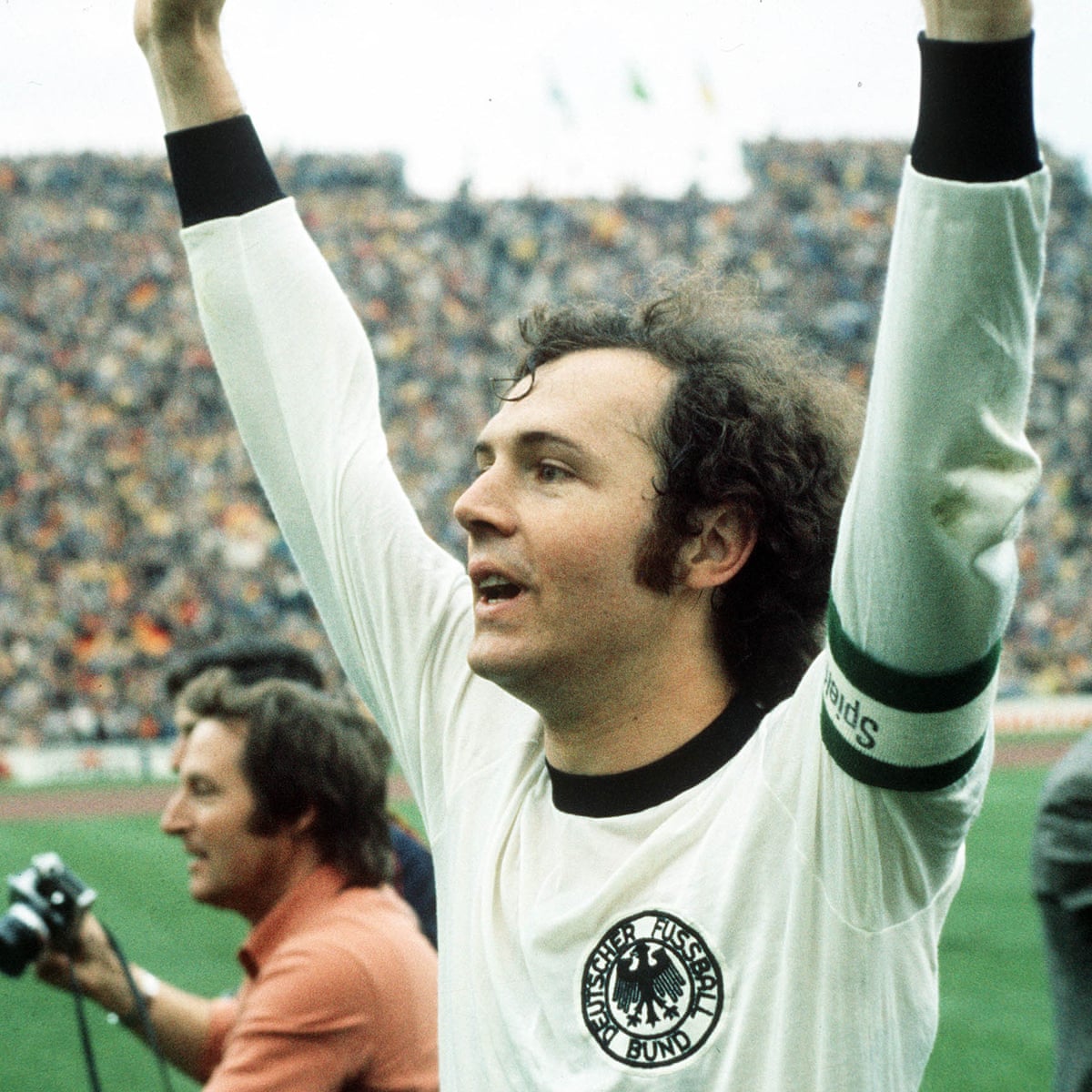
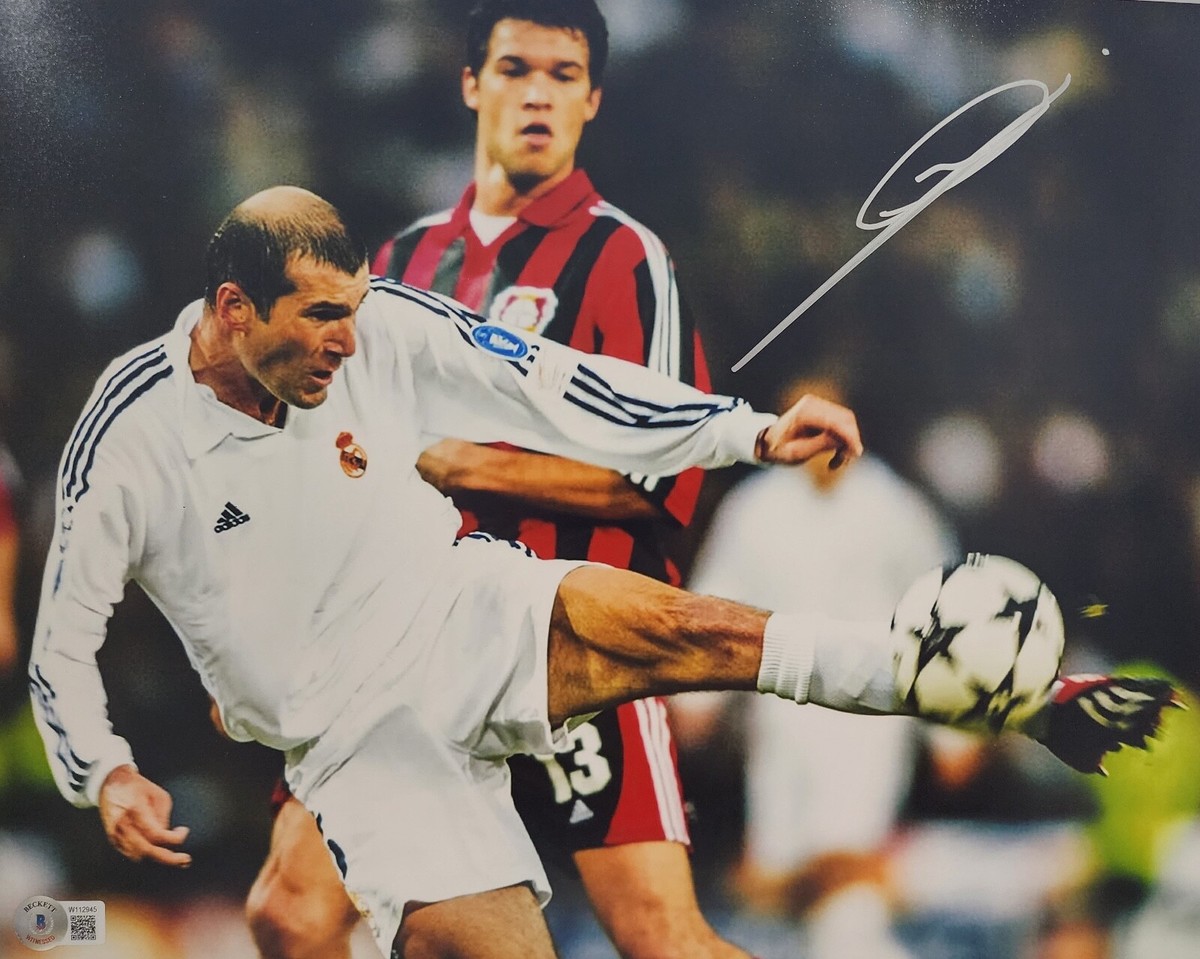
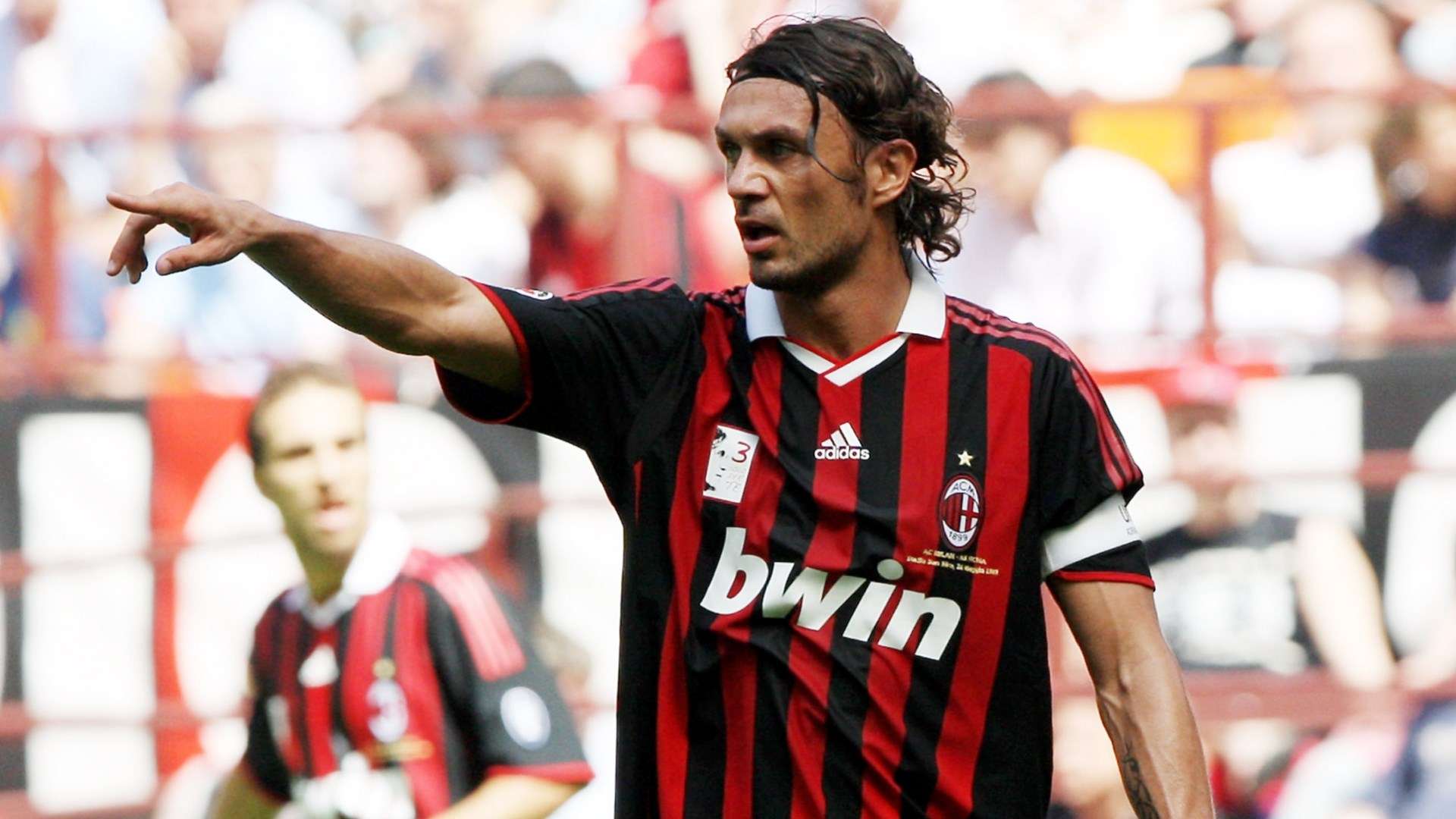
Roberto Carlos vs Didier Drogba: Stats Compared
Left-Back, Brazil (born 1973, retired 2015) · Striker, Ivory Coast (born 1978, retired 2018)
When Roberto Carlos and Didier Drogba are mentioned in the same breath, opinions rarely stay quiet. Style separates them as much as statistics: two players, two unmistakable signatures. The raw numbers read 113 goals in 875 outings for Roberto Carlos (0.13/game), versus 311 in 750 for Didier Drogba (0.41/game). Because assists were not systematically tracked for much of their time, that side of the comparison rests on the footage that survives. The honours ledger favours Roberto Carlos with 9 major trophies (3× UEFA Champions League (1998, 2000, 2002)) against Didier Drogba's 12 (1× UEFA Champions League (2012)). Roberto Carlos played with a uncompromising that made him unmistakable; Didier Drogba brought a predatory that was equally his own. Context beyond the headline totals is important: Roberto Carlos's landmark level arrived around 2002 with a career spanning Palmeiras, Inter Milan, Real Madrid, Fenerbahçe; Didier Drogba's came around 2012 across Le Mans, Guingamp, Marseille, Chelsea, Galatasaray, Montreal Impact, Phoenix Rising. Picking between them says as much about the picker as the players.
169 words · comparison angle: style
Player profiles
Roberto Carlos da Silva Rocha (born 10 April 1973), often known simply as Roberto Carlos, is a Brazilian former professional footballer. He has been described as one of the most attack-minded left-backs in football history and one of the greatest full-backs ever. He finished runner-up for the FIFA World Player of the Year in 1997 and for the Ballon d’Or in 2002.
“A rocket-footed full-back who combined recovery speed, overlapping runs and impossible free kicks.”
Chelsea icon who scored the equaliser and winning penalty in the 2012 Champions League final; Ivory Coast's all-time leading scorer.
“A powerful, physical striker with a venomous shot and a habit of scoring in finals.”
Head-to-head stats
Career goals by season
Representative career seasons — goals per season for each player across their documented clubs.
Attribute radar
Attribute ratings are peak-era, 0–100. Different positions naturally skew the profile.
Attribute comparison
Trophy breakdown
- 3× UEFA Champions League (1998, 2000, 2002)
- 1× UEFA Champions League (2012)
- 4× Premier League (2005, 2006, 2010, 2015)
- 4× FA Cup (2007, 2009, 2010, 2012)
- 3× EFL Cup (2005, 2007, 2015)
Trophy distribution
Career milestones
- 1994 Established himself at Palmeiras
- 1998 Reached his defining peak
- 2002 Delivered a landmark season
- 2015 Retired from professional football
- 1998 Le Mans debut
- 2003 Joined Marseille
- 2004 Signed for Chelsea
- 2006 First African to score 30+ goals in a Premier League season
- 2012 Left Chelsea for Shanghai Shenhua
- 2014 Returned to Chelsea for one season
- 2018 Retired at Phoenix Rising
The verdict
Weighing production, silverware and profile, the two finish within a whisker of each other. Call it a respectful draw — greatness of this calibre resists a single winner.
Too close to call — a respectful draw