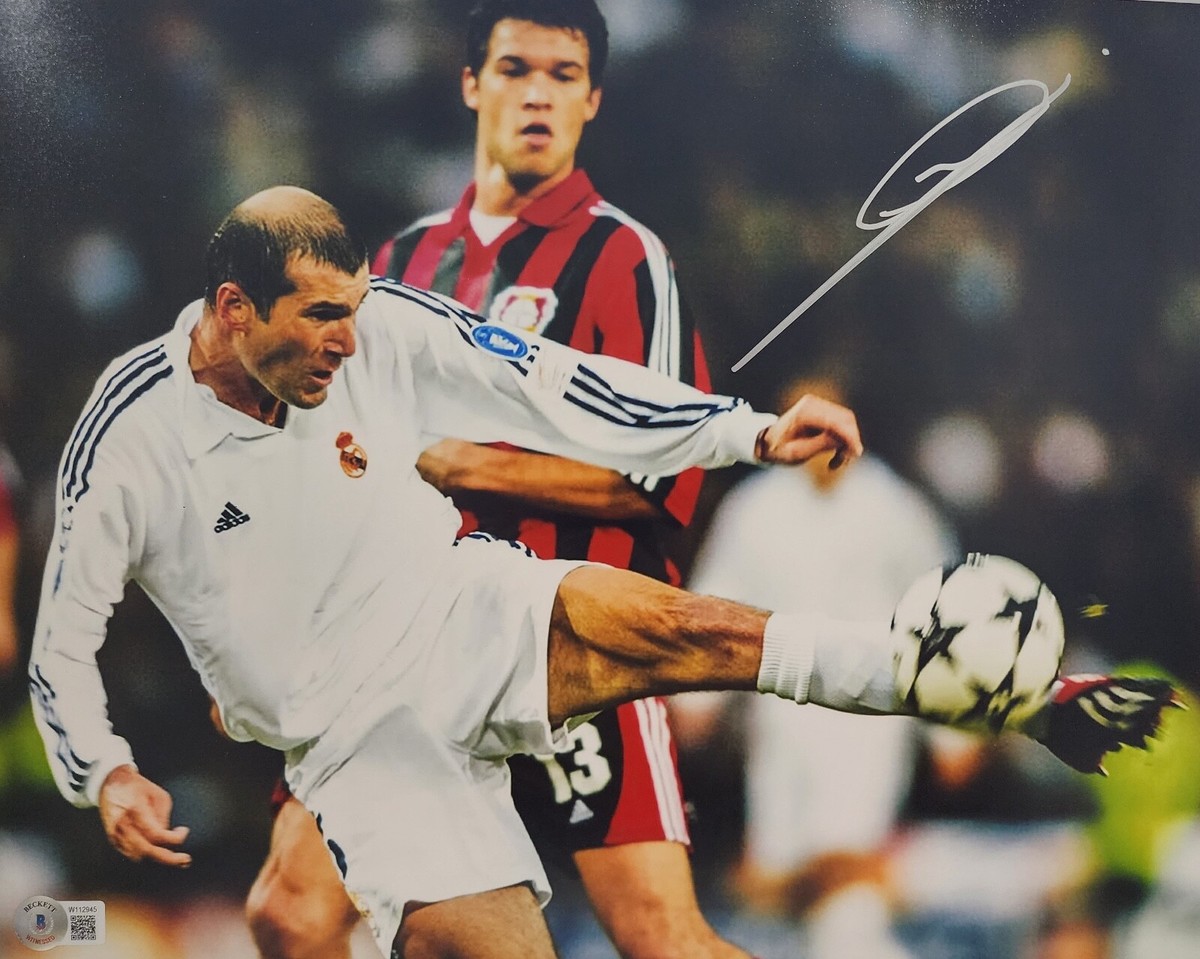
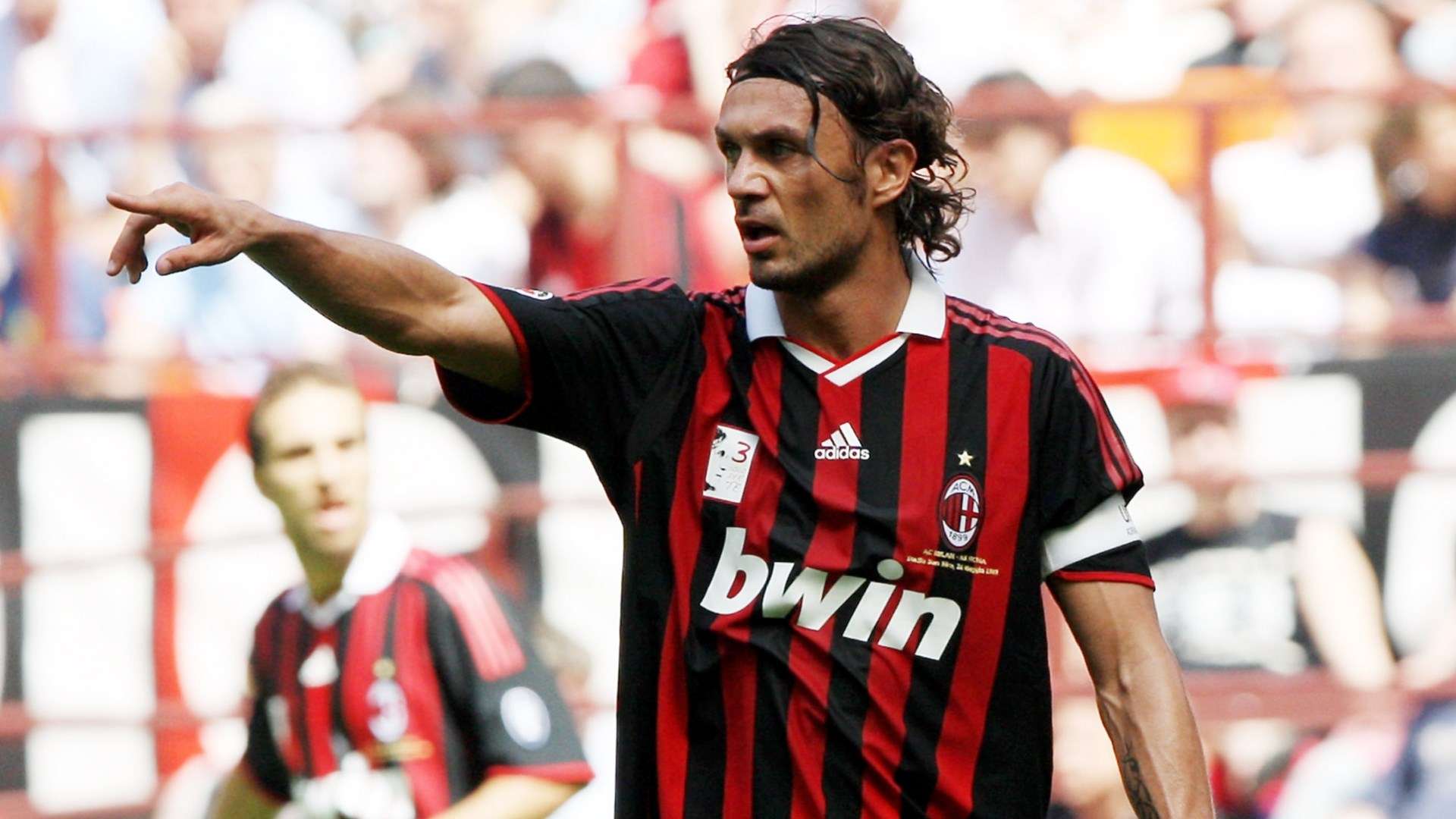
Roberto Carlos vs Samuel Eto'o: Stats Compared
Left-Back, Brazil (born 1973, retired 2015) · Striker, Cameroon (born 1981, retired 2019)
Few debates split football fans quite like Roberto Carlos versus Samuel Eto'o. Strip away the highlights and the medal count tells its own story for each man. Roberto Carlos finishes with 113 career goals from 875 games — a 0.13 strike rate — against Samuel Eto'o's 371 from 768 at 0.48 per match. Reliable assist tallies simply do not exist for large stretches of their careers, leaving creativity to the eye rather than the spreadsheet. Trophy counts give Roberto Carlos 9 and Samuel Eto'o 10, with 3× UEFA Champions League (1998, 2000, 2002) and 3× UEFA Champions League (2006, 2009, 2010) the standout honours respectively. Roberto Carlos built his medal haul through years of elegant consistency, while Samuel Eto'o won his with explosive bursts of brilliance. Club journeys add another layer, with Roberto Carlos reaching his representative peak around 2002 across Palmeiras, Inter Milan, Real Madrid, Fenerbahçe and Samuel Eto'o doing so around 2009 with Mallorca, Barcelona, Inter Milan, Chelsea, others. Few pairings invite such entrenched disagreement, and fewer still deserve it this much.
174 words · comparison angle: trophies
Player profiles
Roberto Carlos da Silva Rocha (born 10 April 1973), often known simply as Roberto Carlos, is a Brazilian former professional footballer. He has been described as one of the most attack-minded left-backs in football history and one of the greatest full-backs ever. He finished runner-up for the FIFA World Player of the Year in 1997 and for the Ballon d’Or in 2002.
“A rocket-footed full-back who combined recovery speed, overlapping runs and impossible free kicks.”
Cameroon legend and three-time Champions League winner (twice with Barcelona, once with Inter); Africa's most decorated player.
“A predatory, pacy striker with a venomous finish and the temperament for big finals.”
Head-to-head stats
Career goals by season
Representative career seasons — goals per season for each player across their documented clubs.
Attribute radar
Attribute ratings are peak-era, 0–100. Different positions naturally skew the profile.
Attribute comparison
Trophy breakdown
- 3× UEFA Champions League (1998, 2000, 2002)
- 3× UEFA Champions League (2006, 2009, 2010)
- 3× La Liga (2005, 2006, 2009)
- 1× Serie A (2010)
- 2× Africa Cup of Nations (2000, 2002)
- 1× Olympic Gold Medal (2000)
Trophy distribution
Career milestones
- 1994 Established himself at Palmeiras
- 1998 Reached his defining peak
- 2002 Delivered a landmark season
- 2015 Retired from professional football
- 1997 Real Madrid academy arrival followed by loan spells
- 2000 AFCON winner and Olympic gold with Cameroon
- 2000 Joined Mallorca
- 2006 Scored in the Champions League final
- 2009 Scored in the Champions League final again with Barcelona
- 2010 Joined Inter Milan and won the treble under Mourinho
- 2014 Joined Everton, later spells at Sampdoria and Antalyaspor
The verdict
Weighing production, silverware and profile, the two finish within a whisker of each other. Call it a respectful draw — greatness of this calibre resists a single winner.
Too close to call — a respectful draw