Roberto Carlos vs Diego Forlán: Stats Compared
Left-Back, Brazil (born 1973, retired 2015) · Striker, Uruguay (born 1979, retired 2019)
Set Roberto Carlos alongside Diego Forlán and the numbers start an argument of their own. Their jobs on the pitch were not the same, yet both redefined what their role could be. Roberto Carlos finishes with 113 career goals from 875 games — a 0.13 strike rate — against Diego Forlán's 315 from 650 at 0.48 per match. Assists were not reliably tracked for much of their careers, which makes the playmaking comparison an imperfect one; where records exist, Roberto Carlos is credited with 0 and Diego Forlán with 90. Roberto Carlos departs the game with 9 major pieces of silverware, including 3× UEFA Champions League (1998, 2000, 2002); Diego Forlán with 3, including 2× UEFA Europa League (2010, 2012). As a left-back Roberto Carlos bent the role to a uncompromising template; as a striker, Diego Forlán redefined it with flair-driven authority. The wider career context matters too: Roberto Carlos peaked around 2002 after representing Palmeiras, Inter Milan, Real Madrid, Fenerbahçe, while Diego Forlán's defining level came around 2010 across Independiente, Manchester United, Villarreal, Atlético Madrid, Inter Milan, Internacional, Cerezo Osaka, Peñarol. The honest conclusion is that comparison enriches appreciation rather than crowns a single winner.
196 words · comparison angle: role
Player profiles
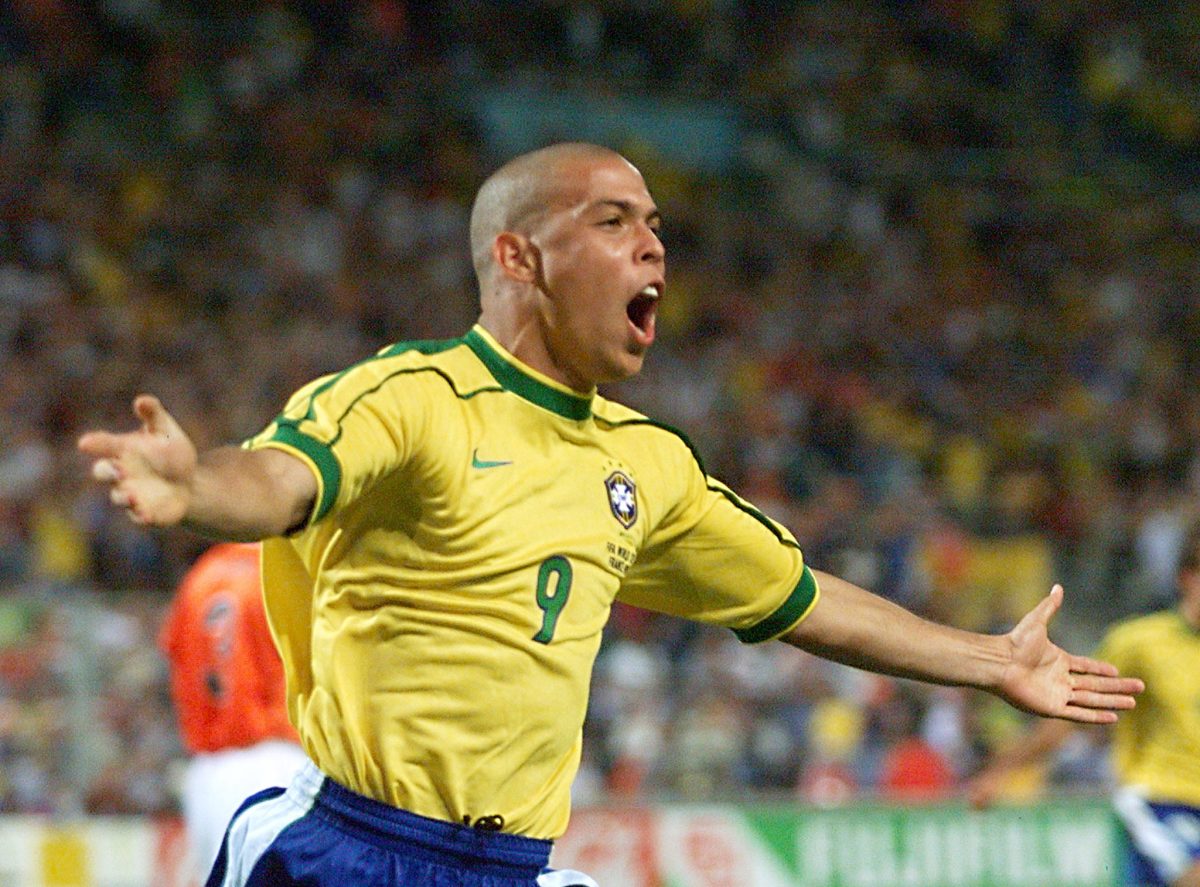
Roberto Carlos da Silva Rocha (born 10 April 1973), often known simply as Roberto Carlos, is a Brazilian former professional footballer. He has been described as one of the most attack-minded left-backs in football history and one of the greatest full-backs ever. He finished runner-up for the FIFA World Player of the Year in 1997 and for the Ballon d’Or in 2002.
“A rocket-footed full-back who combined recovery speed, overlapping runs and impossible free kicks.”
Winner of the Golden Ball as the standout player of the 2010 World Cup, Forlán was a prolific, two-footed striker who twice won the European Golden Shoe.
“A tireless, two-footed striker whose work rate and clean striking technique made him a nightmare for defenders in behind.”
Head-to-head stats
Career goals by season
Representative career seasons — goals per season for each player across their documented clubs.
Attribute radar
Attribute ratings are peak-era, 0–100. Different positions naturally skew the profile.
Attribute comparison
Trophy breakdown
- 3× UEFA Champions League (1998, 2000, 2002)
- 2× UEFA Europa League (2010, 2012)
- 1× UEFA Super Cup (2010)
Trophy distribution
Career milestones
- 1994 Established himself at Palmeiras
- 1998 Reached his defining peak
- 2002 Delivered a landmark season
- 2015 Retired from professional football
- 2001 Professional debut for Independiente
- 2010 Won UEFA Europa League with Atlético Madrid
- 2010 Won UEFA Super Cup with Atlético Madrid
- 2010 Reached the peak of his powers at Atlético Madrid
- 2019 Retired after a final spell at Peñarol
- Finished his career with 315 goals in 650 appearances and 3 major honours. Finished his career with 315 goals in 650 appearances and 3 major honours.
The verdict
Reasonable people will disagree, but Roberto Carlos wins out by a decisive margin on the weight of a weightier trophy cabinet.
Roberto Carlos edges it (a decisive margin)