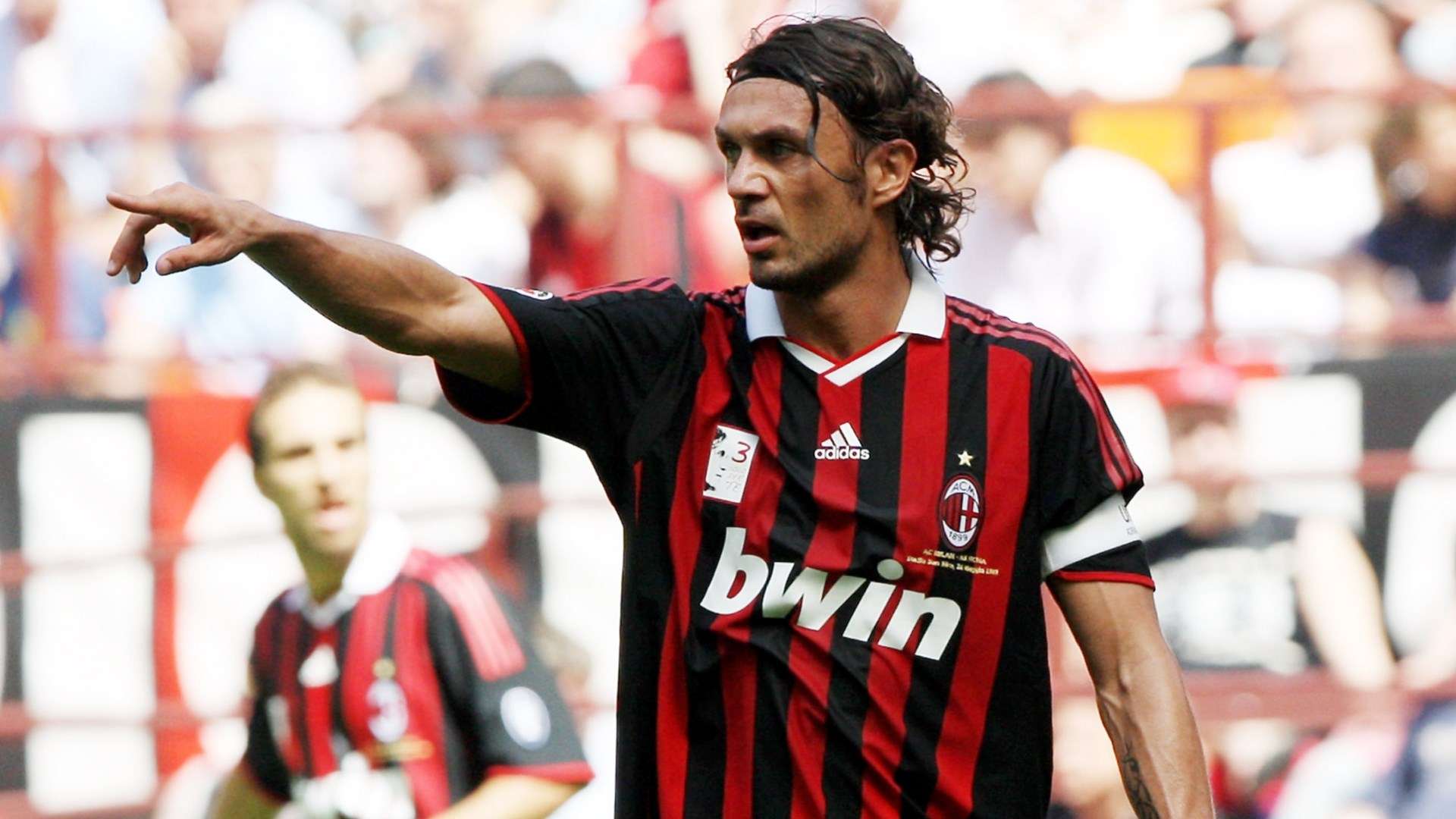
Roberto Carlos vs Enzo Francescoli: Stats Compared
Left-Back, Brazil (born 1973, retired 2015) · Forward / Playmaker, Uruguay (born 1961, retired 1997)
Set Roberto Carlos alongside Enzo Francescoli and the numbers start an argument of their own. Trophies, more than goals, are how most supporters ultimately remember a career. On production alone, Roberto Carlos posted 113 goals across 875 appearances while Enzo Francescoli managed 220 across 550. Reliable assist tallies simply do not exist for large stretches of their careers, leaving creativity to the eye rather than the spreadsheet. Roberto Carlos departs the game with 9 major pieces of silverware, including 3× UEFA Champions League (1998, 2000, 2002); Enzo Francescoli with 3, including 1× Ligue 1 (1990). Roberto Carlos built his medal haul through years of rugged consistency, while Enzo Francescoli won his with mercurial bursts of brilliance. The wider career context matters too: Roberto Carlos peaked around 2002 after representing Palmeiras, Inter Milan, Real Madrid, Fenerbahçe, while Enzo Francescoli's defining level came around 1990 across Wanderers, River Plate, Racing Club de France, Marseille, Cagliari, River Plate. Few pairings invite such entrenched disagreement, and fewer still deserve it this much.
168 words · comparison angle: trophies
Player profiles
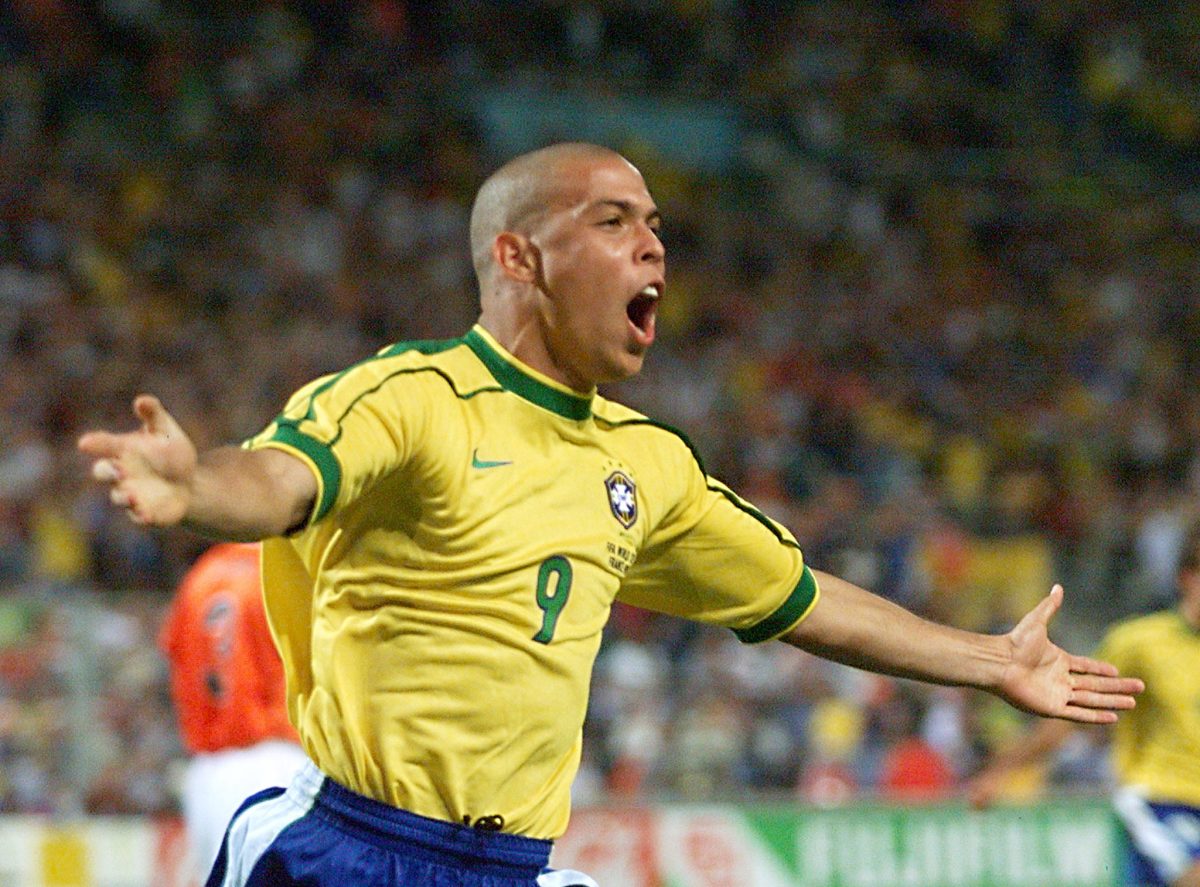
Roberto Carlos da Silva Rocha (born 10 April 1973), often known simply as Roberto Carlos, is a Brazilian former professional footballer. He has been described as one of the most attack-minded left-backs in football history and one of the greatest full-backs ever. He finished runner-up for the FIFA World Player of the Year in 1997 and for the Ballon d’Or in 2002.
“A rocket-footed full-back who combined recovery speed, overlapping runs and impossible free kicks.”
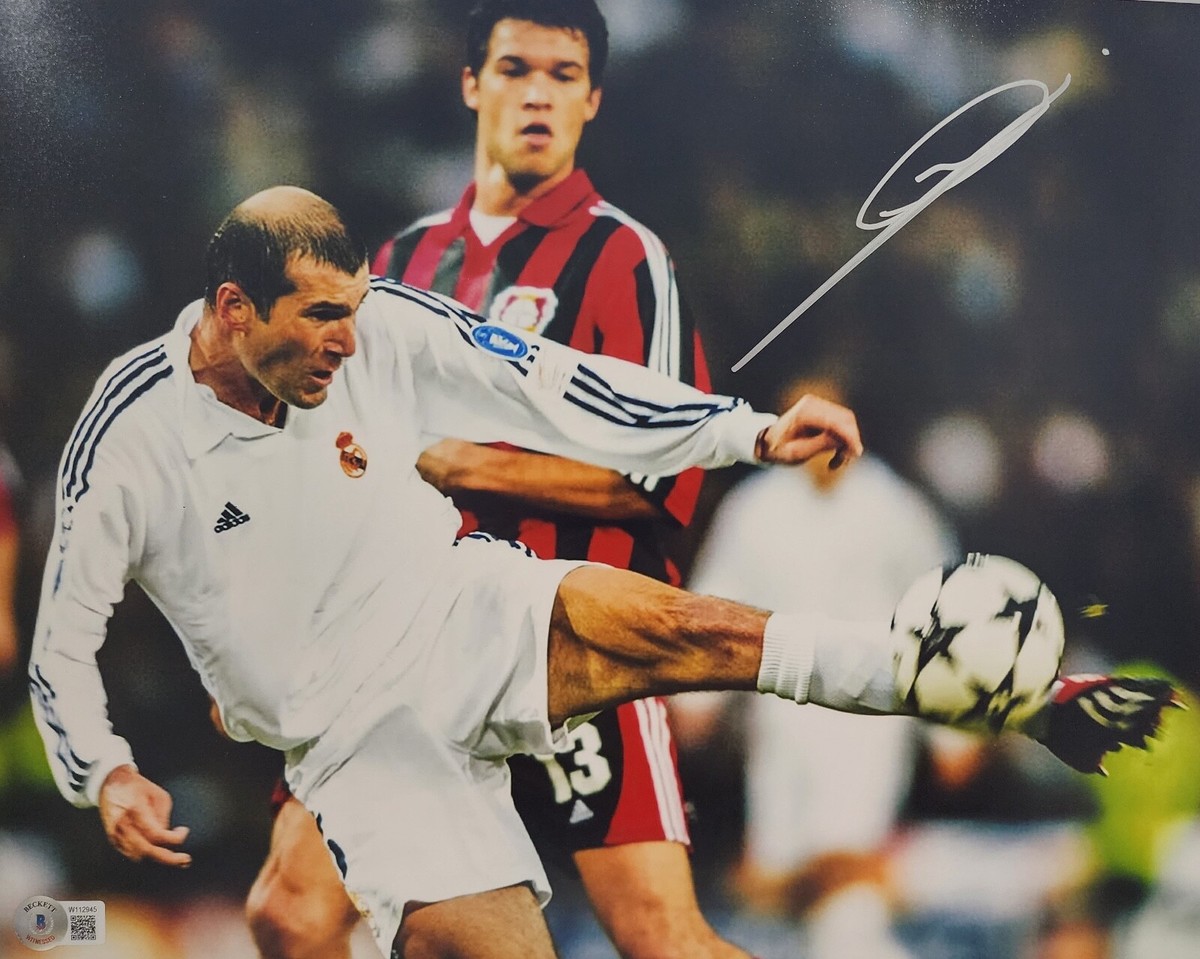
Known as 'El Príncipe' (the Prince), Francescoli was the elegant Uruguayan playmaker so admired by a young Zinédine Zidane that he named his son after him.
“A graceful, upright forward-playmaker who glided past opponents and dictated attacks with effortless technique.”
Head-to-head stats
Career goals by season
Representative career seasons — goals per season for each player across their documented clubs.
Attribute radar
Attribute ratings are peak-era, 0–100. Different positions naturally skew the profile.
Attribute comparison
Trophy breakdown
- 3× UEFA Champions League (1998, 2000, 2002)
- 1× Ligue 1 (1990)
- 2× Argentine Primera División (1986, 1996)
Trophy distribution
Career milestones
- 1994 Established himself at Palmeiras
- 1998 Reached his defining peak
- 2002 Delivered a landmark season
- 2015 Retired from professional football
- 1980 Professional debut for Wanderers
- 1990 Won Ligue 1 with Marseille
- 1986 Won Argentine Primera División with River Plate
- 1990 Reached the peak of his powers at Marseille
- 1997 Retired after a final spell at River Plate
- Finished his career with 220 goals in 550 appearances and 3 major honours. Finished his career with 220 goals in 550 appearances and 3 major honours.
The verdict
Taking goals, assists, silverware and overall profile together, Roberto Carlos takes it by a decisive margin.
Roberto Carlos edges it (a decisive margin)