Roberto Carlos vs Andrés Iniesta: Stats Compared
Left-Back, Brazil (born 1973, retired 2015) · Central / Attacking Midfielder, Spain (born 1984, retired 2023)
Roberto Carlos against Andrés Iniesta is the kind of comparison that fuels pub arguments for hours. It is in how they played, rather than what they won, that the comparison gets interesting. Across his senior career Roberto Carlos notched 113 goals in 875 appearances (0.13 per game), while Andrés Iniesta recorded 88 in 945 (0.09 per game). Modern assist data only covers part of their careers, so creativity is hard to compare cleanly — Roberto Carlos is listed at 0 and Andrés Iniesta at 200 where figures survive. Trophy counts give Roberto Carlos 9 and Andrés Iniesta 25, with 3× UEFA Champions League (1998, 2000, 2002) and 1× FIFA World Cup (2010) the standout honours respectively. Stylistically Roberto Carlos was anticipatory where Andrés Iniesta was dictatorial — two vocabularies of the same sport. Context beyond the headline totals is important: Roberto Carlos's landmark level arrived around 2002 with a career spanning Palmeiras, Inter Milan, Real Madrid, Fenerbahçe; Andrés Iniesta's came around 2012 across Barcelona, Vissel Kobe, Emirates. Arguments will run and run, which is exactly why the matchup endures.
179 words · comparison angle: style
Player profiles
Roberto Carlos da Silva Rocha (born 10 April 1973), often known simply as Roberto Carlos, is a Brazilian former professional footballer. He has been described as one of the most attack-minded left-backs in football history and one of the greatest full-backs ever. He finished runner-up for the FIFA World Player of the Year in 1997 and for the Ballon d’Or in 2002.
“A rocket-footed full-back who combined recovery speed, overlapping runs and impossible free kicks.”
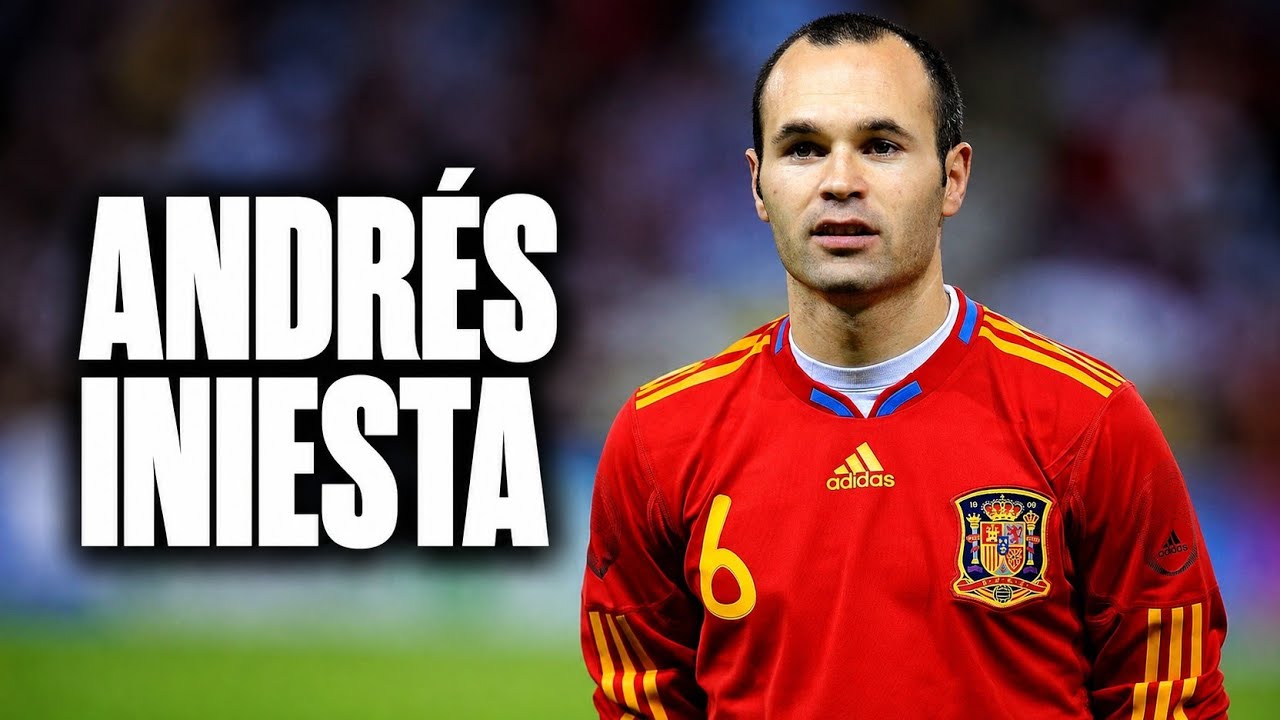
Spanish midfielder who scored the winning goal in the 2010 World Cup final; nine-time La Liga winner and four-time Champions League winner with Barcelona.
“A balletic dribbler with immaculate balance, body feints and an unerring habit of scoring in finals.”
Head-to-head stats
Career goals by season
Representative career seasons — goals per season for each player across their documented clubs.
Attribute radar
Attribute ratings are peak-era, 0–100. Different positions naturally skew the profile.
Attribute comparison
Trophy breakdown
- 3× UEFA Champions League (1998, 2000, 2002)
- 1× FIFA World Cup (2010)
- 2× UEFA European Championship (2008, 2012)
- 4× UEFA Champions League (2006, 2009, 2011, 2015)
- 9× La Liga
- 6× Copa del Rey
- 3× FIFA Club World Cup
Trophy distribution
Career milestones
- 1994 Established himself at Palmeiras
- 1998 Reached his defining peak
- 2002 Delivered a landmark season
- 2015 Retired from professional football
- 2002 Barcelona debut
- 2006 Champions League winner in Paris
- 2008 Euro winner with Spain
- 2009 Treble winner under Pep Guardiola
- 2012 Named Player of the Tournament at Euro 2012
- 2015 Won his fourth Champions League in his final Barça season
- 2018 Joined Vissel Kobe in Japan
The verdict
On balance Andrés Iniesta edges the comparison. The margin is a decisive margin, decided mostly by a weightier trophy cabinet.
Andrés Iniesta edges it (a decisive margin)