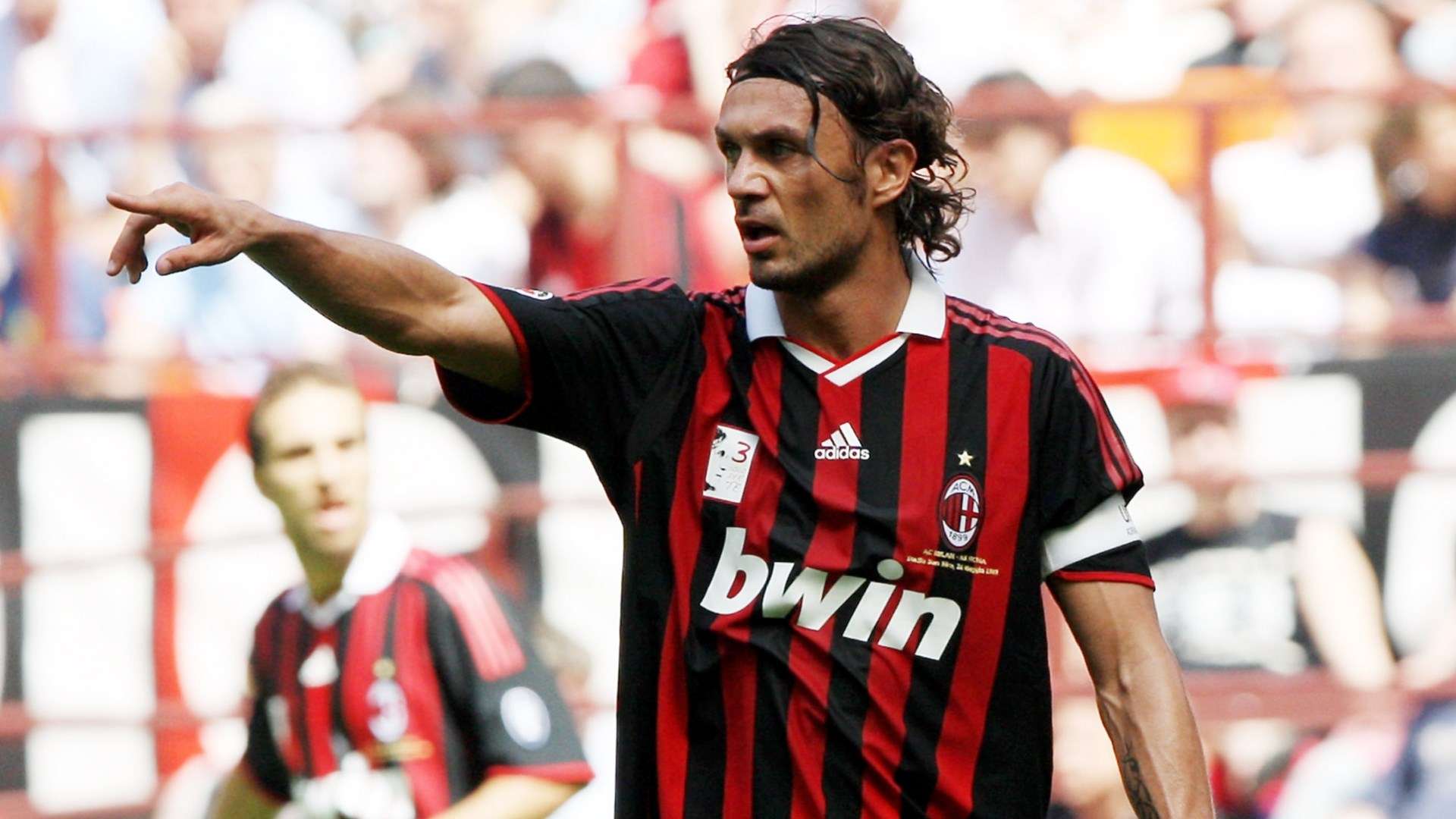
Roberto Carlos vs Nwankwo Kanu: Stats Compared
Left-Back, Brazil (born 1973, retired 2015) · Striker, Nigeria (born 1976, retired 2012)
Roberto Carlos against Nwankwo Kanu is the kind of comparison that fuels pub arguments for hours. Greatness, in the end, is about who you inspired, and both left a footprint far beyond their own careers. On production alone, Roberto Carlos posted 113 goals across 875 appearances while Nwankwo Kanu managed 130 across 550. Modern assist data only covers part of their careers, so creativity is hard to compare cleanly — Roberto Carlos is listed at 0 and Nwankwo Kanu at 55 where figures survive. The honours ledger favours Roberto Carlos with 9 major trophies (3× UEFA Champions League (1998, 2000, 2002)) against Nwankwo Kanu's 6 (1× UEFA Champions League (1995)). History will file Roberto Carlos under anticipatory greatness and Nwankwo Kanu under clinical greatness — different shelves, same temple. Their routes to the top were distinct: Roberto Carlos built his reputation across Palmeiras, Inter Milan, Real Madrid, Fenerbahçe, peaking around 2002, while Nwankwo Kanu reached his defining level around 1999 after spells with Iwuanyanwu Nationale, Ajax, Inter Milan, Arsenal, West Bromwich Albion, Portsmouth. Rank them how you like — both names are carved into the sport's permanent record.
188 words · comparison angle: legacy
Player profiles
Roberto Carlos da Silva Rocha (born 10 April 1973), often known simply as Roberto Carlos, is a Brazilian former professional footballer. He has been described as one of the most attack-minded left-backs in football history and one of the greatest full-backs ever. He finished runner-up for the FIFA World Player of the Year in 1997 and for the Ballon d’Or in 2002.
“A rocket-footed full-back who combined recovery speed, overlapping runs and impossible free kicks.”
A gangly, silky Nigerian forward who won the Champions League with Ajax and Olympic gold before starring in Arsenal's 'Invincibles' era, all while overcoming a serious heart condition.
“A tall, unusually elegant forward whose close control and vision belied his height, often dropping deep to create for others.”
Head-to-head stats
Career goals by season
Representative career seasons — goals per season for each player across their documented clubs.
Attribute radar
Attribute ratings are peak-era, 0–100. Different positions naturally skew the profile.
Attribute comparison
Trophy breakdown
- 3× UEFA Champions League (1998, 2000, 2002)
- 1× UEFA Champions League (1995)
- 2× Premier League (2002, 2004)
- 2× FA Cup (2003, 2008)
- 1× Olympic Gold Medal (1996)
Trophy distribution
Career milestones
- 1994 Established himself at Palmeiras
- 1998 Reached his defining peak
- 2002 Delivered a landmark season
- 2015 Retired from professional football
- 1992 Professional debut for Iwuanyanwu Nationale
- 1995 Won UEFA Champions League with Ajax
- 1996 Won Olympic Gold Medal with Ajax
- 1999 Reached the peak of his powers at Inter Milan
- 2012 Retired after a final spell at Portsmouth
- Finished his career with 130 goals in 550 appearances and 6 major honours. Finished his career with 130 goals in 550 appearances and 6 major honours.
The verdict
On balance Roberto Carlos edges the comparison. The margin is a decisive margin, decided mostly by a weightier trophy cabinet.
Roberto Carlos edges it (a decisive margin)