Roberto Carlos vs Jürgen Klinsmann: Stats Compared
Left-Back, Brazil (born 1973, retired 2015) · Striker, Germany (born 1964, retired 1998)
When Roberto Carlos and Jürgen Klinsmann are mentioned in the same breath, opinions rarely stay quiet. Style separates them as much as statistics: two players, two unmistakable signatures. By the end Roberto Carlos had 113 goals from 875 caps and club outings; Jürgen Klinsmann had 235 from 550. Because assists were not systematically tracked for much of their time, that side of the comparison rests on the footage that survives. The honours ledger favours Roberto Carlos with 9 major trophies (3× UEFA Champions League (1998, 2000, 2002)) against Jürgen Klinsmann's 4 (1× FIFA World Cup (1990)). Stylistically Roberto Carlos was anticipatory where Jürgen Klinsmann was clinical — two vocabularies of the same sport. Their routes to the top were distinct: Roberto Carlos built his reputation across Palmeiras, Inter Milan, Real Madrid, Fenerbahçe, peaking around 2002, while Jürgen Klinsmann reached his defining level around 1990 after spells with Stuttgarter Kickers, VfB Stuttgart, Inter Milan, Monaco, Tottenham Hotspur, Bayern Munich, Sampdoria, Tottenham Hotspur. Whichever side you land on, both belong in any conversation about the finest of their generation.
177 words · comparison angle: style
Player profiles
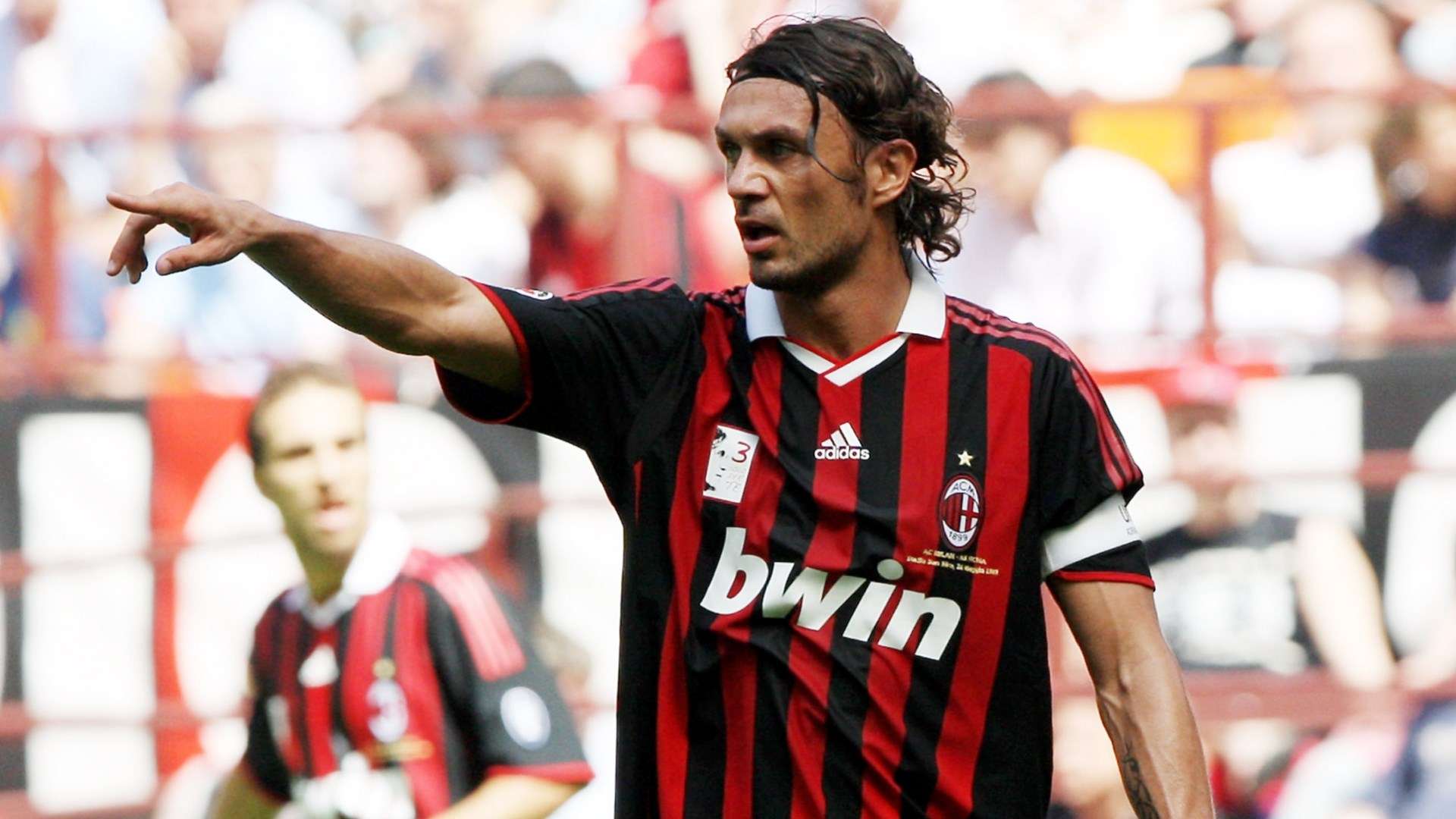
Roberto Carlos da Silva Rocha (born 10 April 1973), often known simply as Roberto Carlos, is a Brazilian former professional footballer. He has been described as one of the most attack-minded left-backs in football history and one of the greatest full-backs ever. He finished runner-up for the FIFA World Player of the Year in 1997 and for the Ballon d’Or in 2002.
“A rocket-footed full-back who combined recovery speed, overlapping runs and impossible free kicks.”
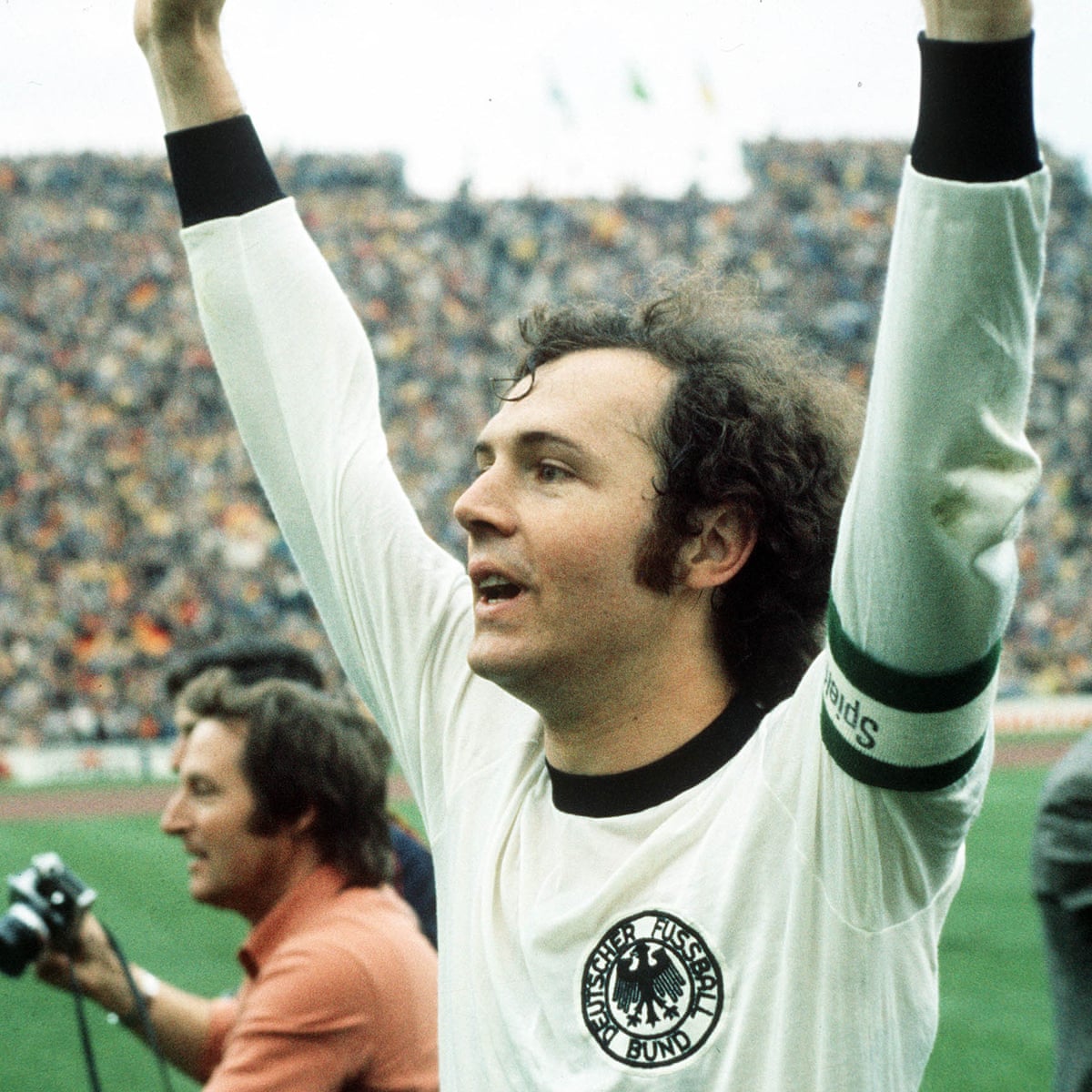
A relentless, hard-running German striker who won the World Cup, European Championship and UEFA Cup, later reinventing Germany's national team as its head coach.
“A tireless, clinical striker whose diving headers and constant movement terrorised defences for over a decade.”
Head-to-head stats
Career goals by season
Representative career seasons — goals per season for each player across their documented clubs.
Attribute radar
Attribute ratings are peak-era, 0–100. Different positions naturally skew the profile.
Attribute comparison
Trophy breakdown
- 3× UEFA Champions League (1998, 2000, 2002)
- 1× FIFA World Cup (1990)
- 1× UEFA European Championship (1996)
- 1× UEFA Cup (1996)
- 1× Bundesliga (1997)
Trophy distribution
Career milestones
- 1994 Established himself at Palmeiras
- 1998 Reached his defining peak
- 2002 Delivered a landmark season
- 2015 Retired from professional football
- 1981 Professional debut for Stuttgarter Kickers
- 1990 Won FIFA World Cup with Inter Milan
- 1997 Won Bundesliga with Bayern Munich
- 1990 Reached the peak of his powers at Inter Milan
- 1998 Retired after a final spell at Tottenham Hotspur
- Finished his career with 235 goals in 550 appearances and 4 major honours. Finished his career with 235 goals in 550 appearances and 4 major honours.
The verdict
If forced to pick, Roberto Carlos is the choice: a decisive margin, with a weightier trophy cabinet the deciding factor.
Roberto Carlos edges it (a decisive margin)