Roberto Carlos vs Miroslav Klose: Stats Compared
Left-Back, Brazil (born 1973, retired 2015) · Striker, Germany (born 1978, retired 2016)
Roberto Carlos versus Miroslav Klose is a clash of two unmistakable footballing identities. Position shapes everything in football, and these two fulfilled very different briefs. Roberto Carlos finishes with 113 career goals from 875 games — a 0.13 strike rate — against Miroslav Klose's 318 from 705 at 0.45 per match. Assists were never formally recorded across most of their eras, so the playmaking dimension has to be judged on reputation and highlights rather than hard totals. Roberto Carlos departs the game with 9 major pieces of silverware, including 3× UEFA Champions League (1998, 2000, 2002); Miroslav Klose with 7, including 1× FIFA World Cup (2014). The left-back duties of Roberto Carlos leaned anticipatory; the striker responsibilities of Miroslav Klose leaned clinical. Club journeys add another layer, with Roberto Carlos reaching his representative peak around 2002 across Palmeiras, Inter Milan, Real Madrid, Fenerbahçe and Miroslav Klose doing so around 2014 with Kaiserslautern, Werder Bremen, Bayern Munich, Lazio. Greatness, in cases like this, is rarely a zero-sum affair.
167 words · comparison angle: role
Player profiles
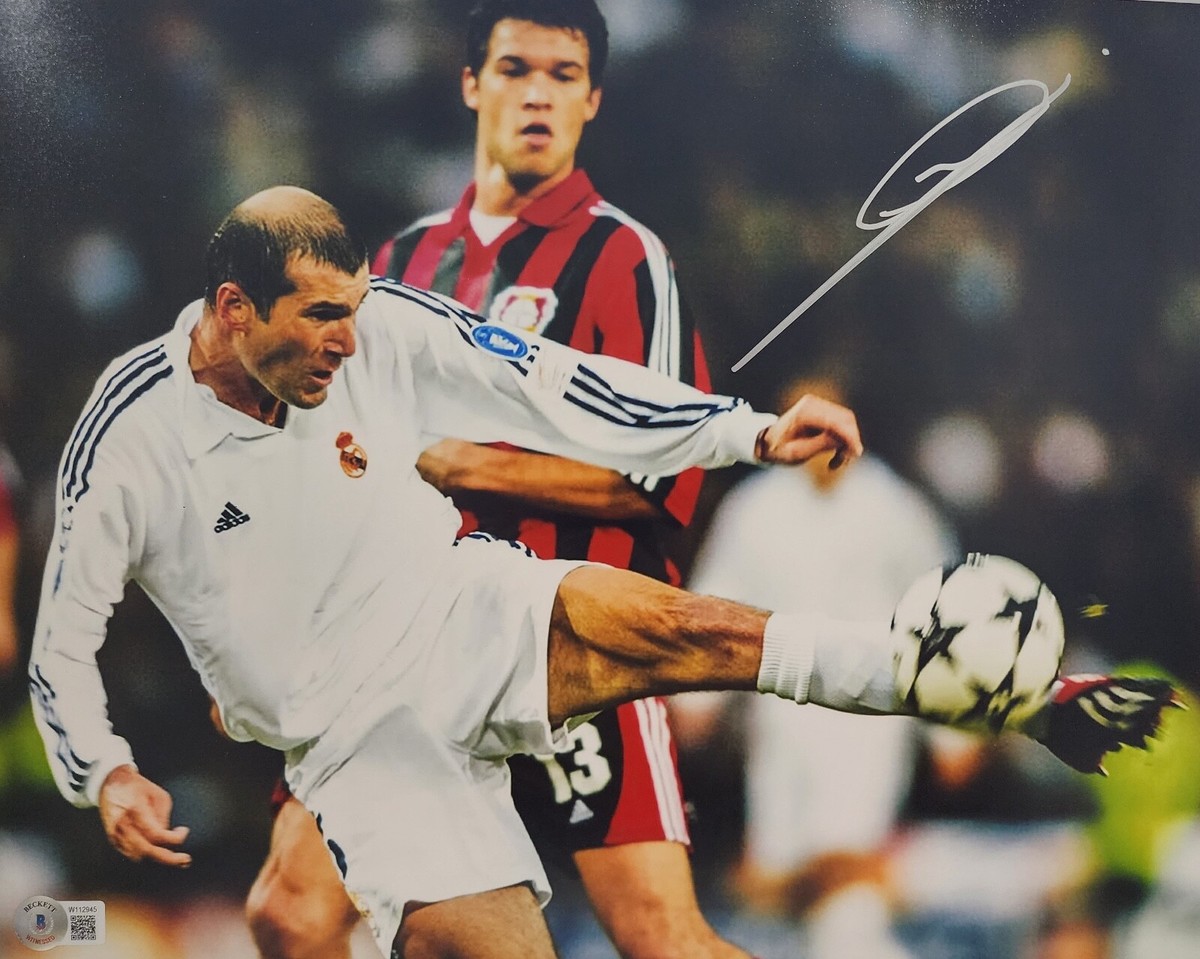
Roberto Carlos da Silva Rocha (born 10 April 1973), often known simply as Roberto Carlos, is a Brazilian former professional footballer. He has been described as one of the most attack-minded left-backs in football history and one of the greatest full-backs ever. He finished runner-up for the FIFA World Player of the Year in 1997 and for the Ballon d’Or in 2002.
“A rocket-footed full-back who combined recovery speed, overlapping runs and impossible free kicks.”
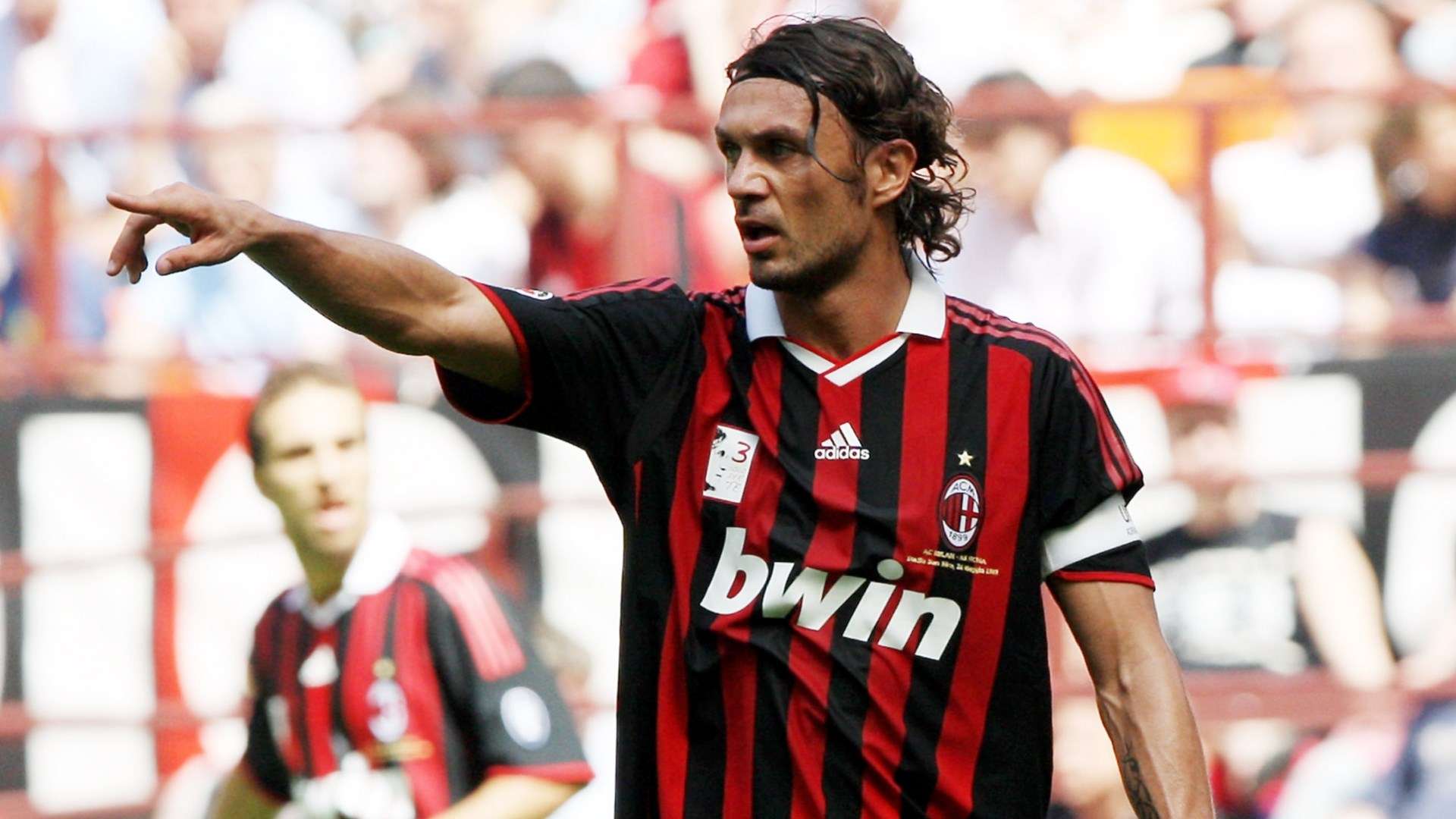
All-time FIFA World Cup top scorer with 16 goals; Germany's all-time leading goalscorer with 71 international goals.
“A selfless striker and aerial specialist whose consistency made him a World Cup great.”
Head-to-head stats
Career goals by season
Representative career seasons — goals per season for each player across their documented clubs.
Attribute radar
Attribute ratings are peak-era, 0–100. Different positions naturally skew the profile.
Attribute comparison
Trophy breakdown
- 3× UEFA Champions League (1998, 2000, 2002)
- 1× FIFA World Cup (2014)
- 2× Bundesliga (2008, 2010)
- 3× DFB-Pokal (2005, 2008, 2010)
- 1× Coppa Italia (2013)
Trophy distribution
Career milestones
- 1994 Established himself at Palmeiras
- 1998 Reached his defining peak
- 2002 Delivered a landmark season
- 2015 Retired from professional football
- 2000 Kaiserslautern debut
- 2002 World Cup debut, scored five headed goals
- 2007 Joined Bayern Munich
- 2011 Joined Lazio, won over fans with relentless work rate
- 2014 World Cup winner, became the all-time World Cup top scorer (16 goals)
- 2016 Retired at Lazio
The verdict
The numbers give Roberto Carlos the lead — a clear margin, courtesy of remarkable longevity.
Roberto Carlos edges it (a clear margin)