Roberto Carlos vs Bixente Lizarazu: Stats Compared
Left-Back, Brazil (born 1973, retired 2015) · Left-Back, France (born 1969, retired 2006)
Set Roberto Carlos alongside Bixente Lizarazu and the numbers start an argument of their own. They belonged to different eras, which makes any direct comparison a test of imagination as much as statistics. On production alone, Roberto Carlos posted 113 goals across 875 appearances while Bixente Lizarazu managed 15 across 600. Modern assist data only covers part of their careers, so creativity is hard to compare cleanly — Roberto Carlos is listed at 0 and Bixente Lizarazu at 30 where figures survive. Trophy counts give Roberto Carlos 9 and Bixente Lizarazu 7, with 3× UEFA Champions League (1998, 2000, 2002) and 1× FIFA World Cup (1998) the standout honours respectively. Across the turn of the millennium and the turn of the millennium respectively, their resolute and elegant styles captured the spirit of very different footballing times. Club journeys add another layer, with Roberto Carlos reaching his representative peak around 2002 across Palmeiras, Inter Milan, Real Madrid, Fenerbahçe and Bixente Lizarazu doing so around 2001 with Bordeaux, Athletic Bilbao, Bayern Munich, Marseille. Picking between them says as much about the picker as the players.
183 words · comparison angle: era
Player profiles
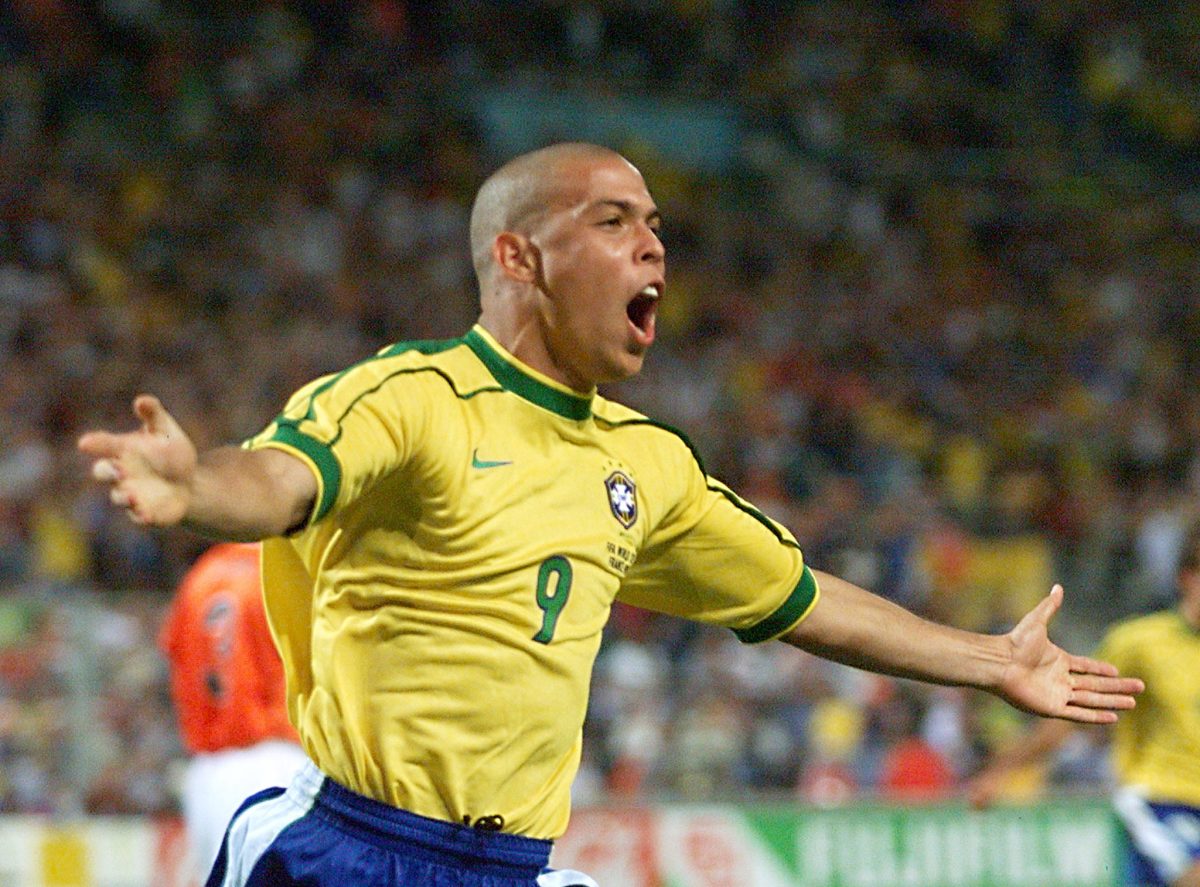
Roberto Carlos da Silva Rocha (born 10 April 1973), often known simply as Roberto Carlos, is a Brazilian former professional footballer. He has been described as one of the most attack-minded left-backs in football history and one of the greatest full-backs ever. He finished runner-up for the FIFA World Player of the Year in 1997 and for the Ballon d’Or in 2002.
“A rocket-footed full-back who combined recovery speed, overlapping runs and impossible free kicks.”
A world judo champion off the pitch, Lizarazu was one of the finest left-backs of his generation, winning the World Cup, European Championship and Champions League with Bayern Munich.
“A compact, combative full-back whose low centre of gravity and stamina let him bomb up and down the flank all match.”
Head-to-head stats
Career goals by season
Representative career seasons — goals per season for each player across their documented clubs.
Attribute radar
Attribute ratings are peak-era, 0–100. Different positions naturally skew the profile.
Attribute comparison
Trophy breakdown
- 3× UEFA Champions League (1998, 2000, 2002)
- 1× FIFA World Cup (1998)
- 1× UEFA European Championship (2000)
- 4× Bundesliga (1999, 2000, 2001, 2003)
- 1× UEFA Champions League (2001)
Trophy distribution
Career milestones
- 1994 Established himself at Palmeiras
- 1998 Reached his defining peak
- 2002 Delivered a landmark season
- 2015 Retired from professional football
- 1988 Professional debut for Bordeaux
- 1998 Won FIFA World Cup with Bayern Munich
- 2001 Won UEFA Champions League with Bayern Munich
- 2001 Reached the peak of his powers at Bayern Munich
- 2006 Retired after a final spell at Marseille
- Finished his career with 15 goals in 600 appearances and 7 major honours. Finished his career with 15 goals in 600 appearances and 7 major honours.
The verdict
Weighing production against honours, Roberto Carlos takes the verdict — a decisive margin, driven by a sharper goalscoring record.
Roberto Carlos edges it (a decisive margin)