Roberto Carlos vs Gary Neville: Stats Compared
Left-Back, Brazil (born 1973, retired 2015) · Right-Back, England (born 1975, retired 2011)
Comparing Roberto Carlos with Gary Neville means weighing two very different kinds of greatness. Legacy is the only real measure that outlives the numbers, and both have staked towering claims. Career output puts Roberto Carlos at 113 goals in 875 games, with Gary Neville at 7 in 602. Modern assist data only covers part of their careers, so creativity is hard to compare cleanly — Roberto Carlos is listed at 0 and Gary Neville at 40 where figures survive. The honours ledger favours Roberto Carlos with 9 major trophies (3× UEFA Champions League (1998, 2000, 2002)) against Gary Neville's 13 (8× Premier League (1996, 1997, 1999, 2000, 2001, 2003, 2007, 2008)). History will file Roberto Carlos under resolute greatness and Gary Neville under resolute greatness — different shelves, same temple. Context beyond the headline totals is important: Roberto Carlos's landmark level arrived around 2002 with a career spanning Palmeiras, Inter Milan, Real Madrid, Fenerbahçe; Gary Neville's came around 1999 across Manchester United. Picking between them says as much about the picker as the players.
174 words · comparison angle: legacy
Player profiles
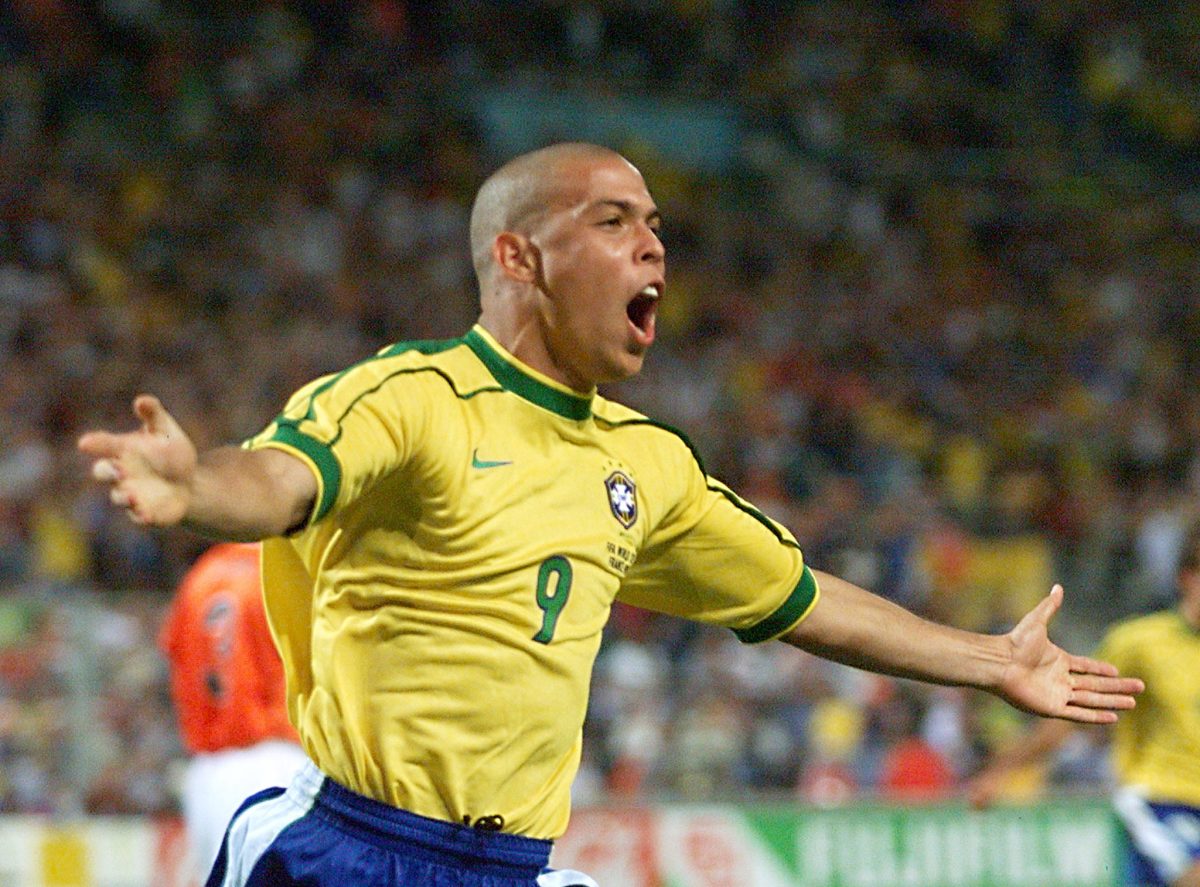
Roberto Carlos da Silva Rocha (born 10 April 1973), often known simply as Roberto Carlos, is a Brazilian former professional footballer. He has been described as one of the most attack-minded left-backs in football history and one of the greatest full-backs ever. He finished runner-up for the FIFA World Player of the Year in 1997 and for the Ballon d’Or in 2002.
“A rocket-footed full-back who combined recovery speed, overlapping runs and impossible free kicks.”
A one-club man over nineteen years, Neville was the reliable, fiercely competitive right-back of Manchester United's most decorated era, later becoming a leading broadcaster.
“A disciplined, tactically intelligent full-back whose positioning and consistency mattered more than flair.”
Head-to-head stats
Career goals by season
Representative career seasons — goals per season for each player across their documented clubs.
Attribute radar
Attribute ratings are peak-era, 0–100. Different positions naturally skew the profile.
Attribute comparison
Trophy breakdown
- 3× UEFA Champions League (1998, 2000, 2002)
- 8× Premier League (1996, 1997, 1999, 2000, 2001, 2003, 2007, 2008)
- 3× FA Cup (1996, 1999, 2004)
- 2× UEFA Champions League (1999, 2008)
Trophy distribution
Career milestones
- 1994 Established himself at Palmeiras
- 1998 Reached his defining peak
- 2002 Delivered a landmark season
- 2015 Retired from professional football
- 1992 Professional debut for Manchester United
- 1996 Won Premier League with Manchester United
- 1999 Won UEFA Champions League with Manchester United
- 1999 Reached the peak of his powers at Manchester United
- 2011 Retired after a final spell at Manchester United
- Finished his career with 7 goals in 602 appearances and 13 major honours. Finished his career with 7 goals in 602 appearances and 13 major honours.
The verdict
If forced to pick, Roberto Carlos is the choice: a decisive margin, with a sharper goalscoring record the deciding factor.
Roberto Carlos edges it (a decisive margin)