Roberto Carlos vs Fernando Redondo: Stats Compared
Left-Back, Brazil (born 1973, retired 2015) · Defensive Midfielder, Argentina (born 1969, retired 2004)
The Roberto Carlos–Fernando Redondo comparison is one of those fixtures of footballing folklore. Strip away the highlights and the medal count tells its own story for each man. Roberto Carlos finishes with 113 career goals from 875 games — a 0.13 strike rate — against Fernando Redondo's 30 from 450 at 0.07 per match. Assists were not reliably tracked for much of their careers, which makes the playmaking comparison an imperfect one; where records exist, Roberto Carlos is credited with 0 and Fernando Redondo with 60. Roberto Carlos departs the game with 9 major pieces of silverware, including 3× UEFA Champions League (1998, 2000, 2002); Fernando Redondo with 5, including 2× La Liga (1995, 1997). One lifted trophies through elegant reliability, the other through intelligent moments that decided finals. Context beyond the headline totals is important: Roberto Carlos's landmark level arrived around 2002 with a career spanning Palmeiras, Inter Milan, Real Madrid, Fenerbahçe; Fernando Redondo's came around 1998 across Argentinos Juniors, Real Madrid, AC Milan. Picking between them says as much about the picker as the players.
177 words · comparison angle: trophies
Player profiles
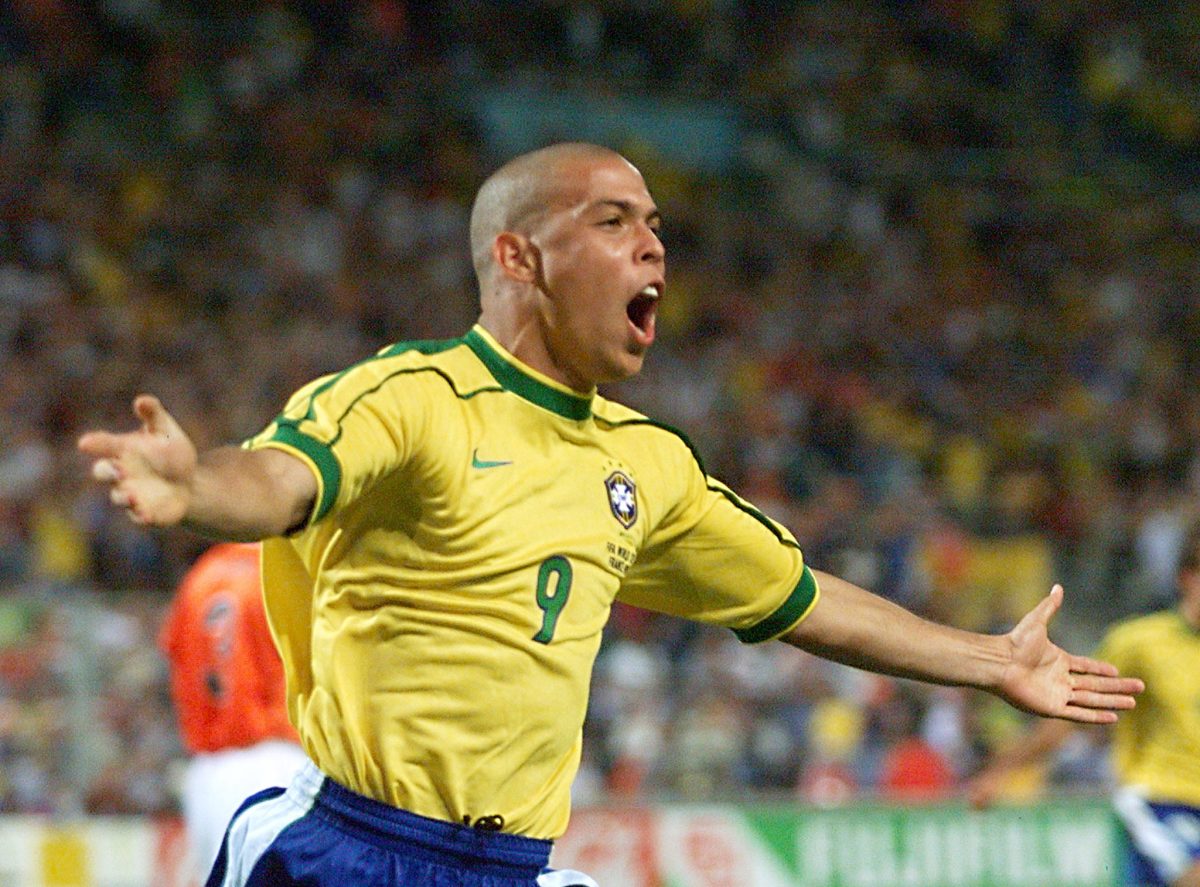
Roberto Carlos da Silva Rocha (born 10 April 1973), often known simply as Roberto Carlos, is a Brazilian former professional footballer. He has been described as one of the most attack-minded left-backs in football history and one of the greatest full-backs ever. He finished runner-up for the FIFA World Player of the Year in 1997 and for the Ballon d’Or in 2002.
“A rocket-footed full-back who combined recovery speed, overlapping runs and impossible free kicks.”
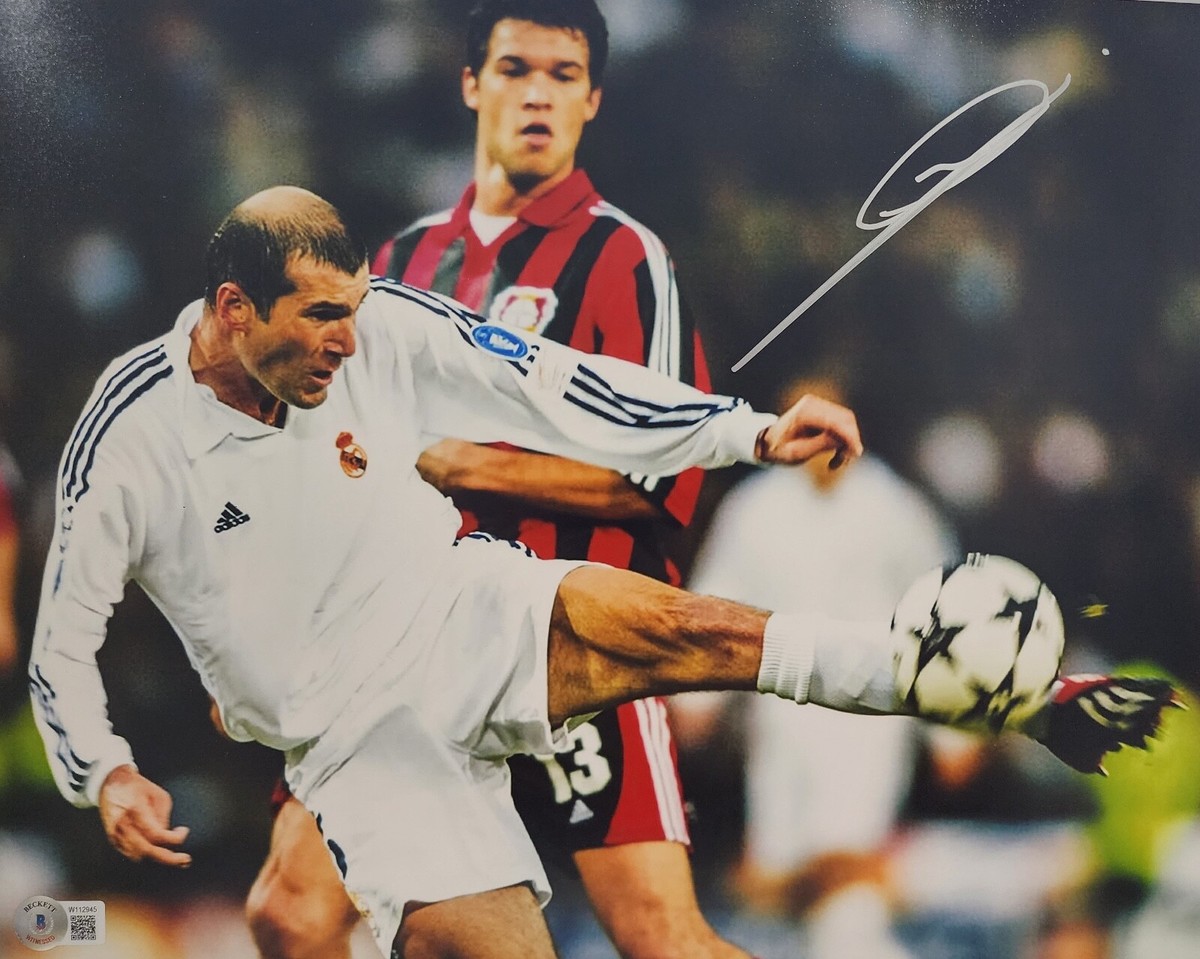
A supremely elegant defensive midfielder famed for his flowing hair and a single backheel that became one of the sport's most replayed pieces of skill.
“An elegant, deep-lying playmaker who shielded the defence while dictating play with effortless long passing.”
Head-to-head stats
Career goals by season
Representative career seasons — goals per season for each player across their documented clubs.
Attribute radar
Attribute ratings are peak-era, 0–100. Different positions naturally skew the profile.
Attribute comparison
Trophy breakdown
- 3× UEFA Champions League (1998, 2000, 2002)
- 2× La Liga (1995, 1997)
- 2× UEFA Champions League (1998, 2000)
- 1× Intercontinental Cup (1998)
Trophy distribution
Career milestones
- 1994 Established himself at Palmeiras
- 1998 Reached his defining peak
- 2002 Delivered a landmark season
- 2015 Retired from professional football
- 1987 Professional debut for Argentinos Juniors
- 1995 Won La Liga with Real Madrid
- 1998 Won Intercontinental Cup with Real Madrid
- 1998 Reached the peak of his powers at Real Madrid
- 2004 Retired after a final spell at AC Milan
- Finished his career with 30 goals in 450 appearances and 5 major honours. Finished his career with 30 goals in 450 appearances and 5 major honours.
The verdict
If forced to pick, Roberto Carlos is the choice: a decisive margin, with a sharper goalscoring record the deciding factor.
Roberto Carlos edges it (a decisive margin)