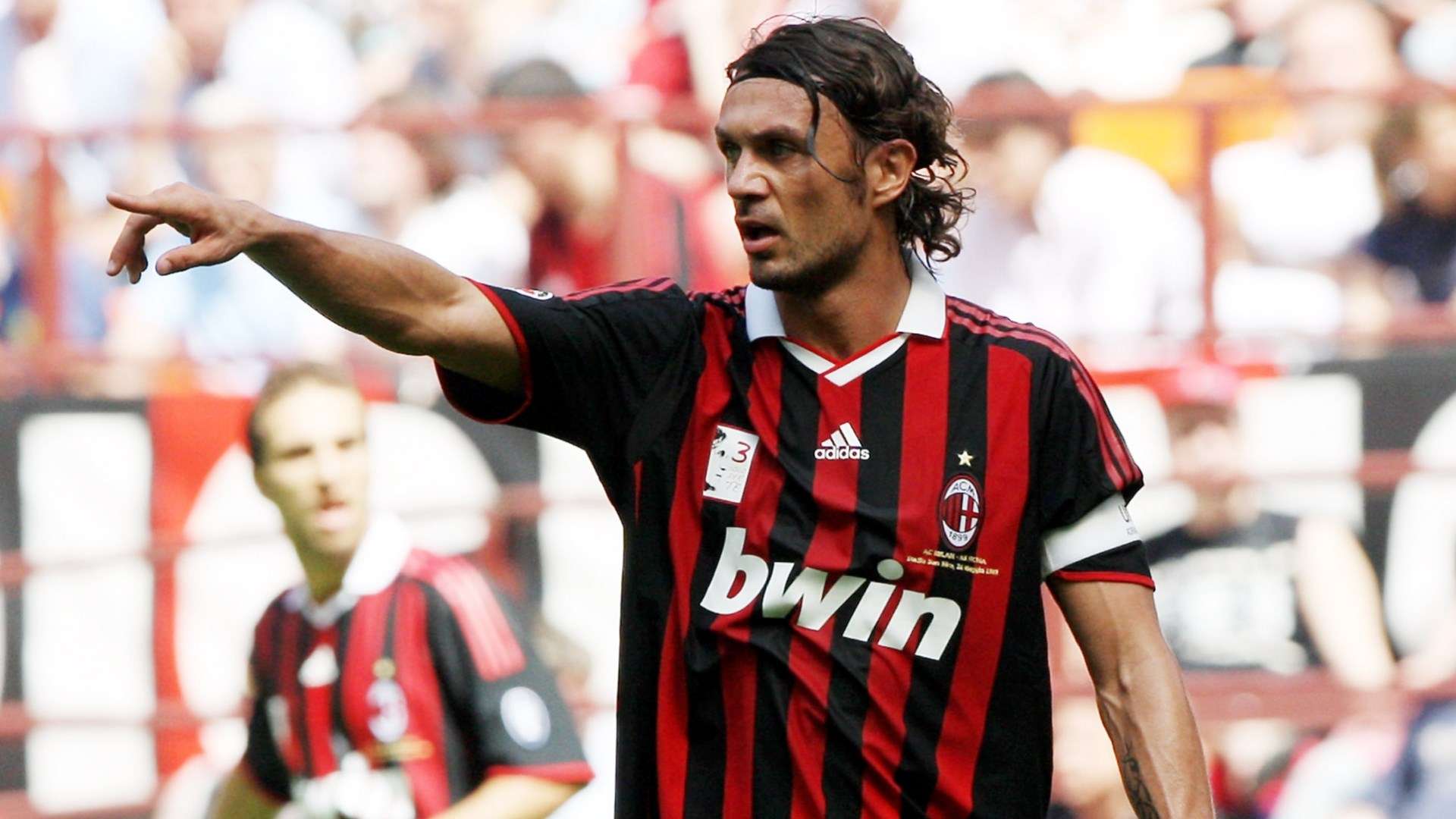
Roberto Carlos vs Andriy Shevchenko: Stats Compared
Left-Back, Brazil (born 1973, retired 2015) · Striker, Ukraine (born 1976, retired 2012)
Line up Roberto Carlos next to Andriy Shevchenko and the contrasts come quickly. Where pure finishing is concerned, this is a shootout between two of the most feared marksmen of their time. The raw numbers read 113 goals in 875 outings for Roberto Carlos (0.13/game), versus 369 in 803 for Andriy Shevchenko (0.46/game). Reliable assist tallies simply do not exist for large stretches of their careers, leaving creativity to the eye rather than the spreadsheet. In major honours Roberto Carlos collected 9 — headlined by 3× UEFA Champions League (1998, 2000, 2002) — whereas Andriy Shevchenko amassed 9, led by 1× UEFA Champions League (2003). Roberto Carlos scored with a elegant that defined his era, while Andriy Shevchenko's finishing carried a explosive all of its own. The wider career context matters too: Roberto Carlos peaked around 2002 after representing Palmeiras, Inter Milan, Real Madrid, Fenerbahçe, while Andriy Shevchenko's defining level came around 2003 across Dynamo Kyiv, AC Milan, Chelsea. Greatness, in cases like this, is rarely a zero-sum affair.
169 words · comparison angle: goalscoring
Player profiles
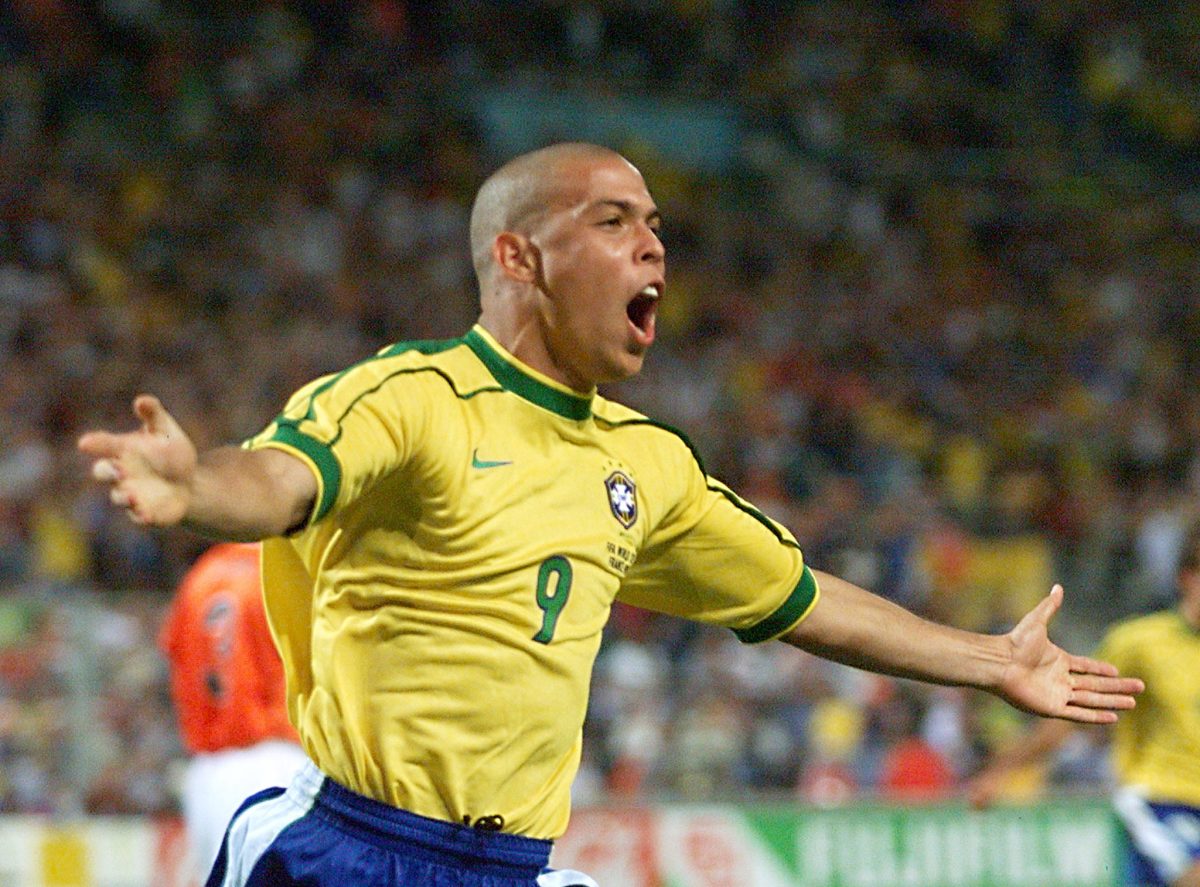
Roberto Carlos da Silva Rocha (born 10 April 1973), often known simply as Roberto Carlos, is a Brazilian former professional footballer. He has been described as one of the most attack-minded left-backs in football history and one of the greatest full-backs ever. He finished runner-up for the FIFA World Player of the Year in 1997 and for the Ballon d’Or in 2002.
“A rocket-footed full-back who combined recovery speed, overlapping runs and impossible free kicks.”
Ukrainian striker and Dynamo Kyiv legend, Champions League winner with AC Milan in 2003; Ballon d'Or winner in 2004.
“A clinical, explosive striker with pace, finishing and an eye for European nights.”
Head-to-head stats
Career goals by season
Representative career seasons — goals per season for each player across their documented clubs.
Attribute radar
Attribute ratings are peak-era, 0–100. Different positions naturally skew the profile.
Attribute comparison
Trophy breakdown
- 3× UEFA Champions League (1998, 2000, 2002)
- 1× UEFA Champions League (2003)
- 1× Serie A (2004)
- 1× UEFA Super Cup (2003)
- 5× Ukrainian Premier League
- 1× Ukrainian Cup
Trophy distribution
Career milestones
- 1994 Established himself at Palmeiras
- 1998 Reached his defining peak
- 2002 Delivered a landmark season
- 2015 Retired from professional football
- 1994 Dynamo Kyiv debut
- 1997 Hat-trick in the Champions League against Barcelona
- 1999 Signed for AC Milan
- 2003 Champions League winner, scored in the final on penalties
- 2004 Ballon d'Or winner
- 2006 Joined Chelsea in an unsuccessful spell
- 2009 Returned to Dynamo Kyiv
The verdict
The numbers give Roberto Carlos the lead — a narrow margin, courtesy of consistency at the very highest level.
Roberto Carlos edges it (a narrow margin)